

Waterfalls are surely one of Iceland’s top attractions. In other parts of the world erosion has had enough time to flatten the land and replace waterfalls with less dramatic rivers. But in Iceland, which is still subject to volcanic and glacial activity, waterfalls are in abundance and new ones are still being created.
Iceland’s most beautiful waterfalls [Top 10, alphabetically]
Due to Iceland’s geology, the majority of interesting waterfalls are situated on the outskirts of the island. This is where faults, cliffs and canyons are and thus water can fall. From the list below only Ofaerufoss and, to a certain extent, Aldeyjarfoss require driving on mountain roads (although reaching Haifoss may also prove difficult without a 4×4 vehicle). And only Glymur takes a day-long hiking trip. Otherwise, most of Iceland’s top waterfalls will not take you off asphalt roads.
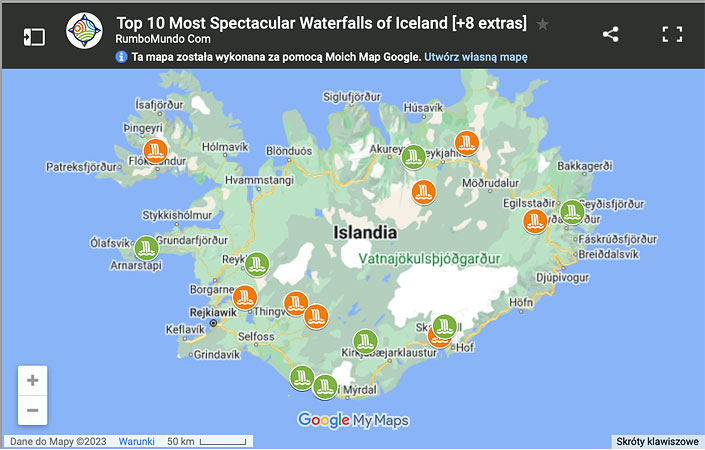
Map: Top 10 Most Spectacular Waterfalls in Iceland [+8 extras].
It is impossible to choose one waterfall that everyone will consider their number 1. So this Top 10 List of Iceland’s most beautiful and impressive waterfalls presents them in alphabetical order. You decide which one(s) you loved most.
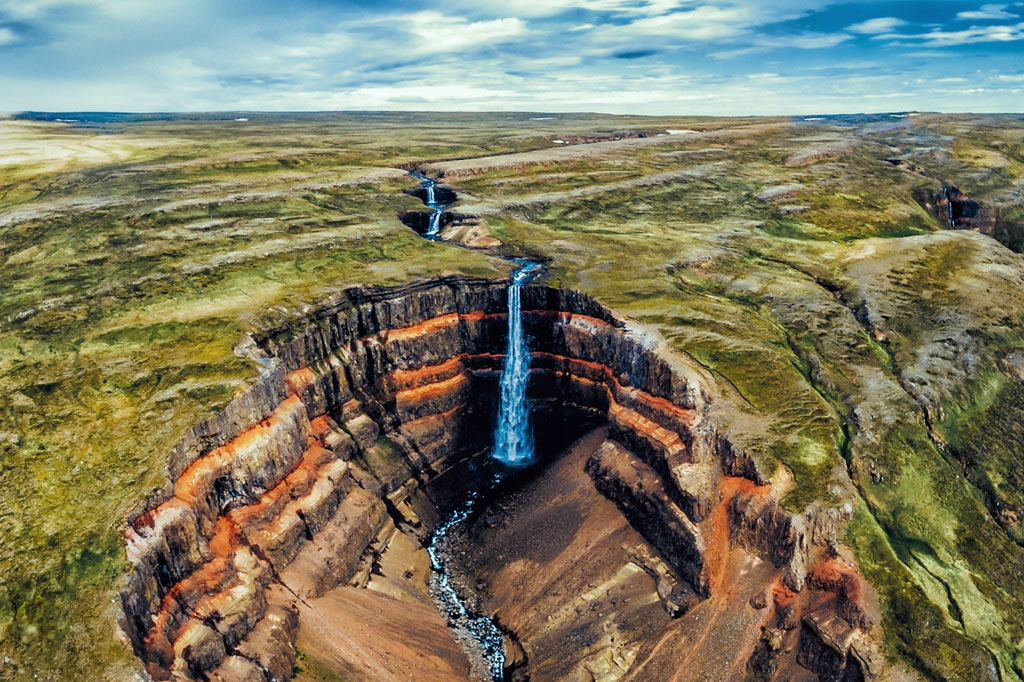
Aldeyjarfoss
Aldeyjarfoss
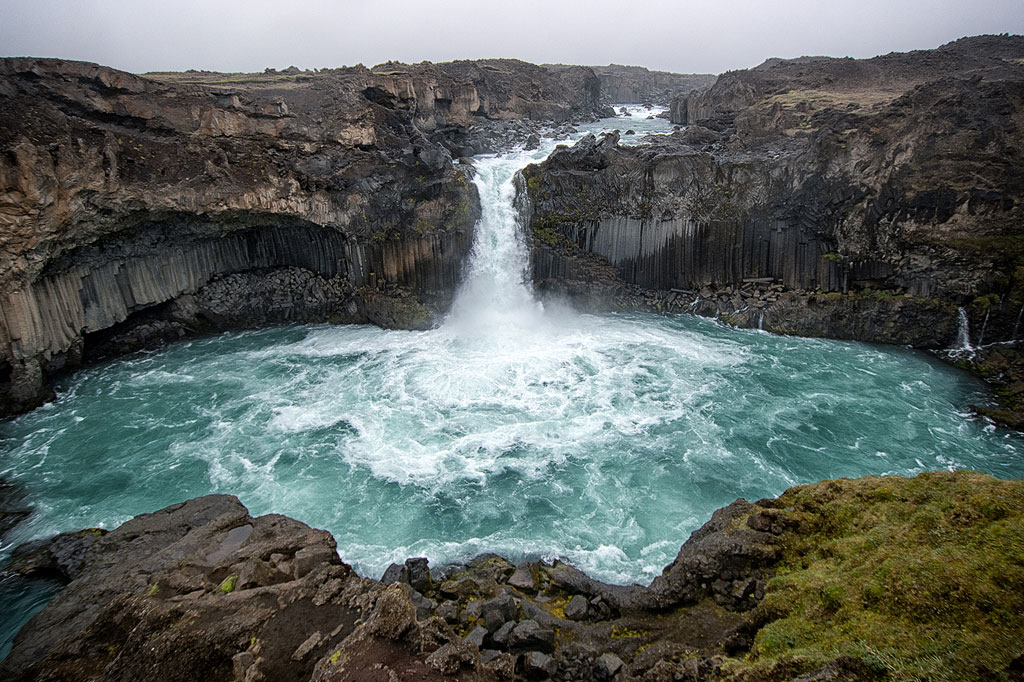
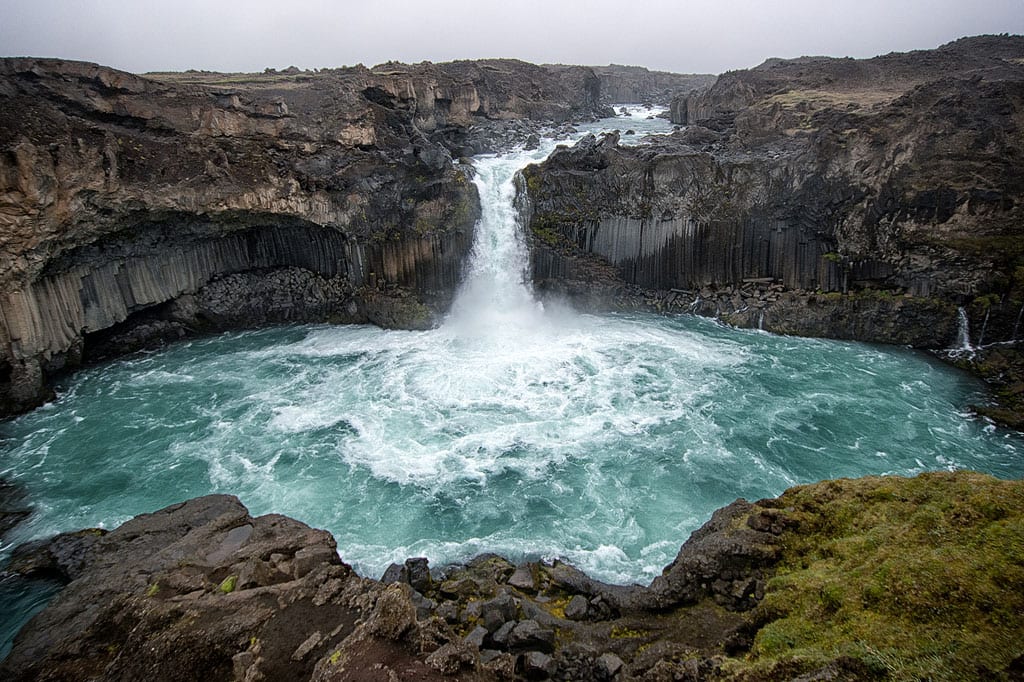
The icy and crystal clear water falls into the mesmerizing churning blue pool below. This very combination of pale blue, frothy water tumbling down among black rock columns makes for a striking vista, placing Aldeyjarfoss among the most beautiful waterfalls in Iceland.
This waterfall is located in the north, on the Skjálfandafljót river, about 40 km (25 miles) south of the famous Godafoss, which is situated along road No. 1. Aldeyjarfoss is close to road F26, and to be more precise – very close to the place where F26 changes into road 842. You will need a 4×4 vehicle to reach the parking lot near the viewpoint (the final stretch going from the north or the entire F26 from the south are steep). In a 2×4 vehicle you can get quite close and you’ll have to walk the final 1.5 km (about a mile).
Discover all the details about Aldeyjarfoss here: Aldeyjarfoss – one of Iceland’s most beautiful waterfalls.
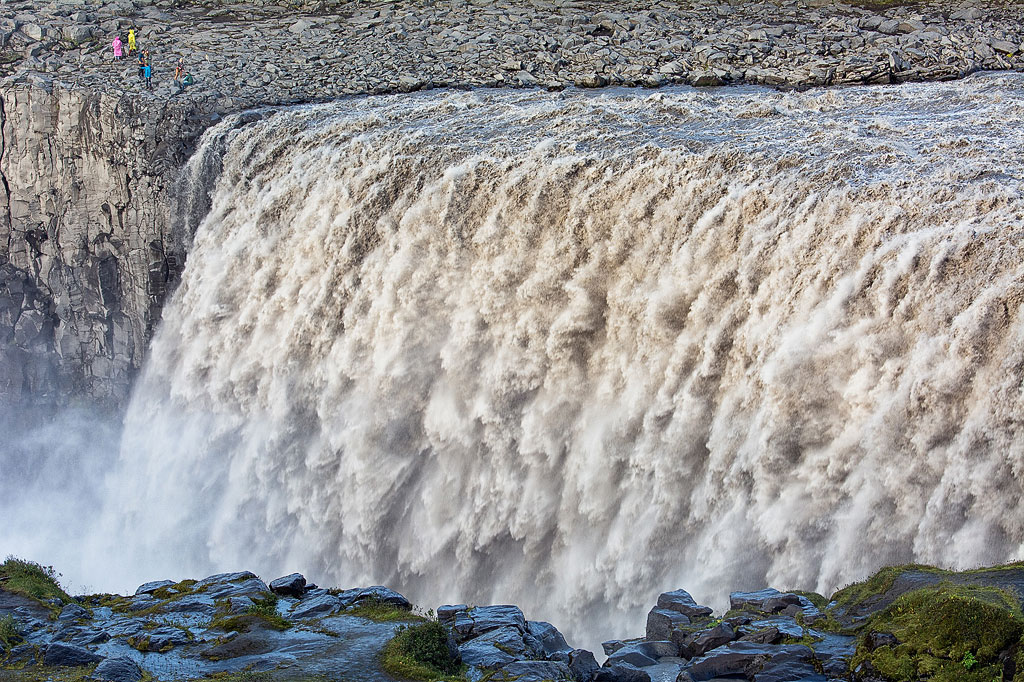
Dettifoss
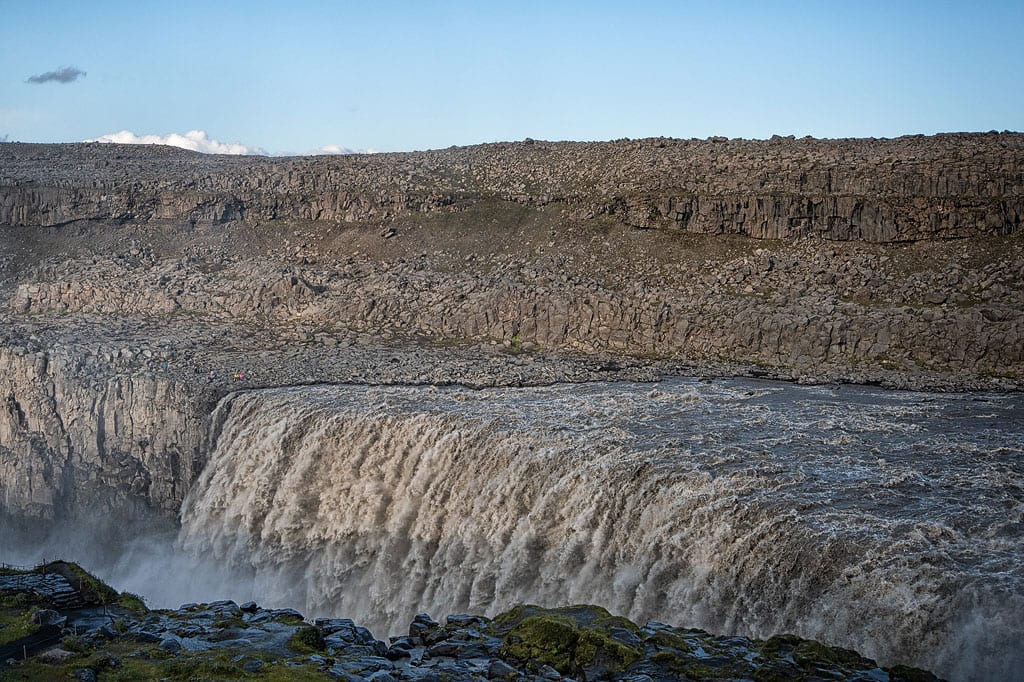
Dettifoss
Another interesting fact about Dettifoss is that the falling water is often greyish in appearance, which is caused by high content of dust.
Read more about the amazing Dettifoss: Dettifoss – Iceland’s most powerful waterfall.
Dynjandi
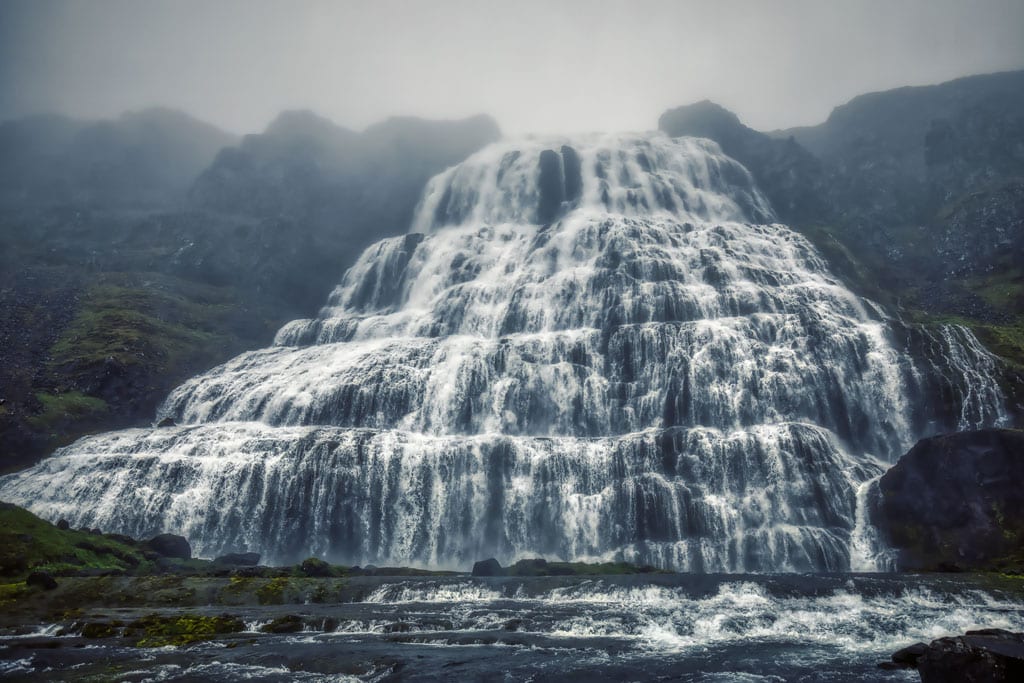
Dynjandi
Although Dynjandi’s water flows down the rocky steps rather than falling straight down, many people consider it the most beautiful waterfall in Iceland. Read more about Dynjandi in this article about the attractions of Westfjords: What to see in Westfjords.
Glymur
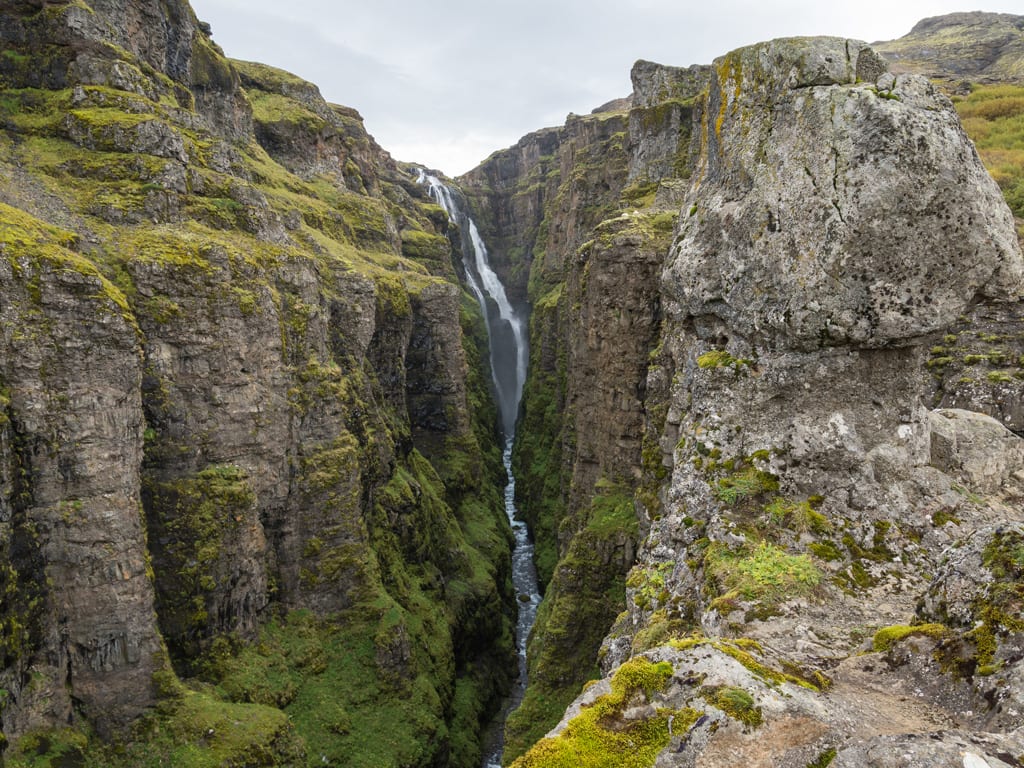
Glymur
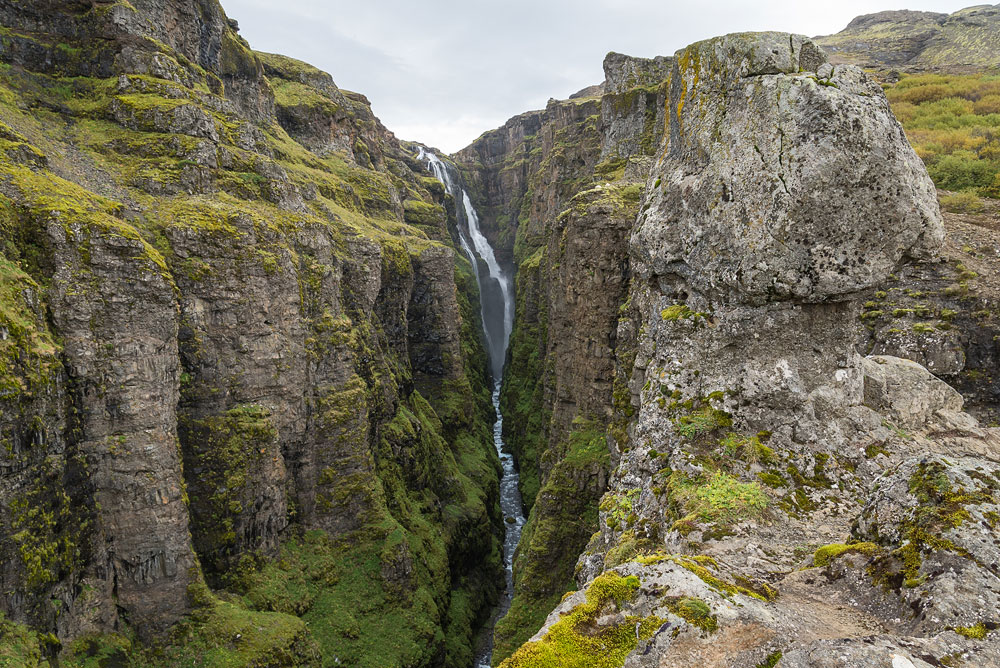
But the greatest thing about Glymur must be the lovely one-day hike, full of attractions along the way, that you need to take to reach it. In fact, many people describe this walk as the highlight of their Icelandic adventure…
Glymur is located in the west of Iceland, quite near Reykjavik, so it is a great theme for a 1-day trip while you are staying in the capital. See all the details on how to get there and how to plan your hike here: Glymur – Iceland’s tallest waterfall available to tourists.
Gullfoss

Gullfoss
Due to its size (and popularity) you wouldn’t call Gullfoss “pretty”. But its popularity is definitely deserved. No photos or elaborate descriptions will ever convey its grandeur and power. Huge sheets of water create a cool mist as they crash against the rocks, offering visitors a myriad of rainbows with every sunray catching the water. Gullfoss means golden waterfall and it has two cascades – 11 and 21 meters (36 and 69 feet) tall.
Its peculiar sprawling shape, gigantic size and hum of water that drowns all conversations are great illustrations of how powerful nature is. Gullfoss can be admired from the top but you can also take the path to its base. Read more about it here: Gullfoss – a waterfall full of gold.
Haifoss
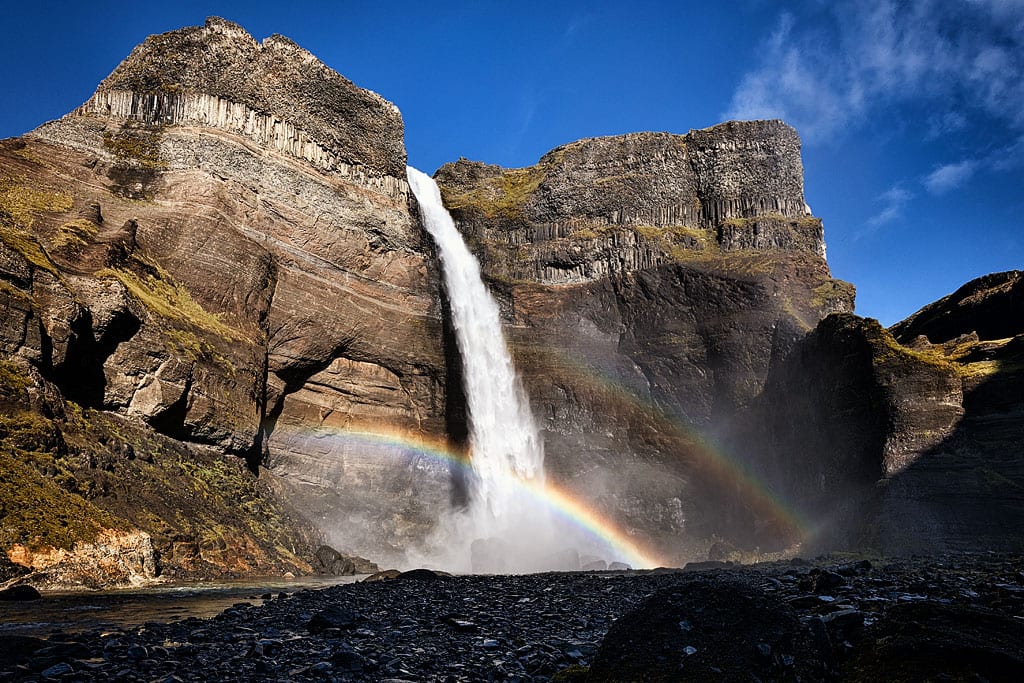
Haifoss
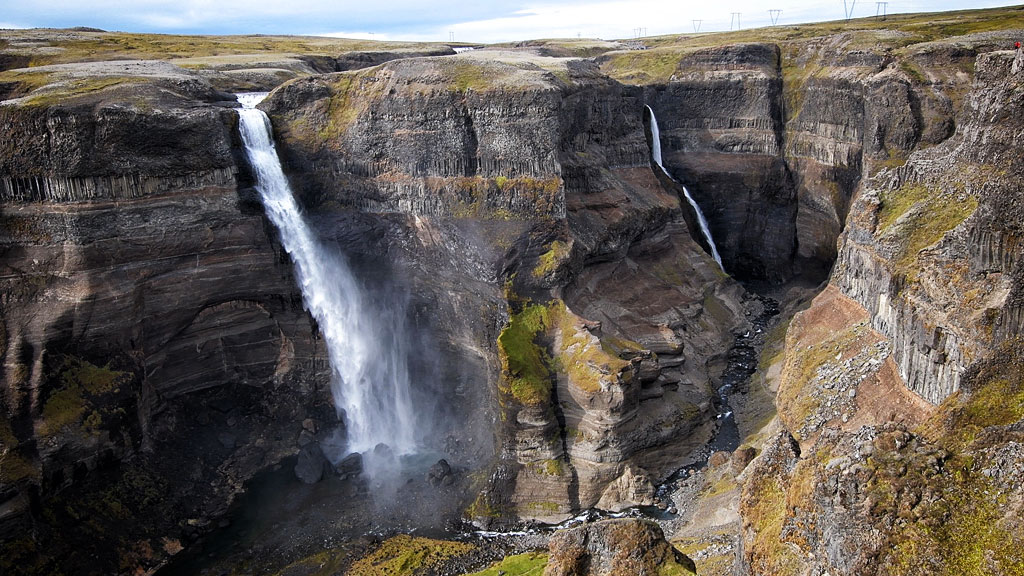
The viewpoint at Haifoss can be reached via a rather steep gravel road. It can be admired from below if you decide to go for an approximately 4 km (2.5-mile) hike. Read about the waterfall and how to see it here: Haifoss – a beauty off the beaten track.
Hengifoss
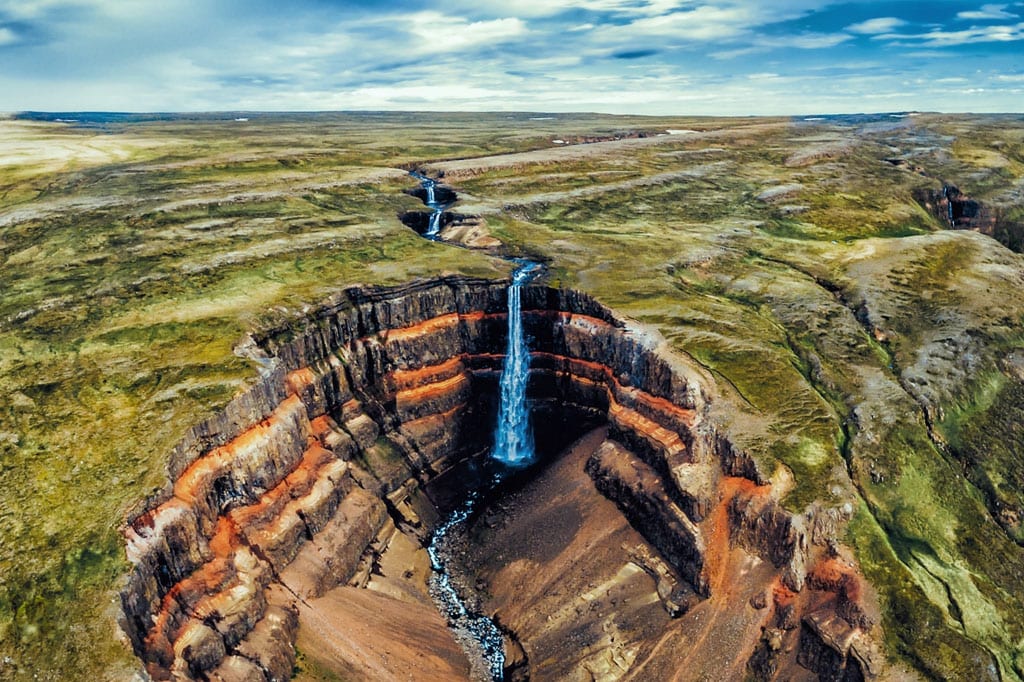
Hengifoss as seen from a drone
On your way to Hengifoss, you get Litlanesfoss – smaller but equally beautiful – included in the package. Read more about these waterfalls and how to see them in this article: Hengifoss and Litlanesfoss – a beautiful pair of waterfalls.
Seljalandsfoss

Seljalandsfoss
This waterfall is not known for its height (about 60 m, or 200 ft) or water volume. But what it offers is equally exciting and so much more unusual. It is one of the very few waterfalls that you can see from behind without getting all wet! There is a small cave behind the cascade. Still, be sure to have waterproof clothes and boots because even though you are not expected to go through the falling water, the mist that forms around the waterfall – depending on the strength and direction of the wind – can really get you wet.
Right next to Seljalandsfoss there is another interesting waterfall — Gljúfrabúi — hidden in a narrow cave-like canyon that you can enter. Read more about these waterfalls here: Seljalandsfoss and Gljufrabui – two beauties.
Skogafoss
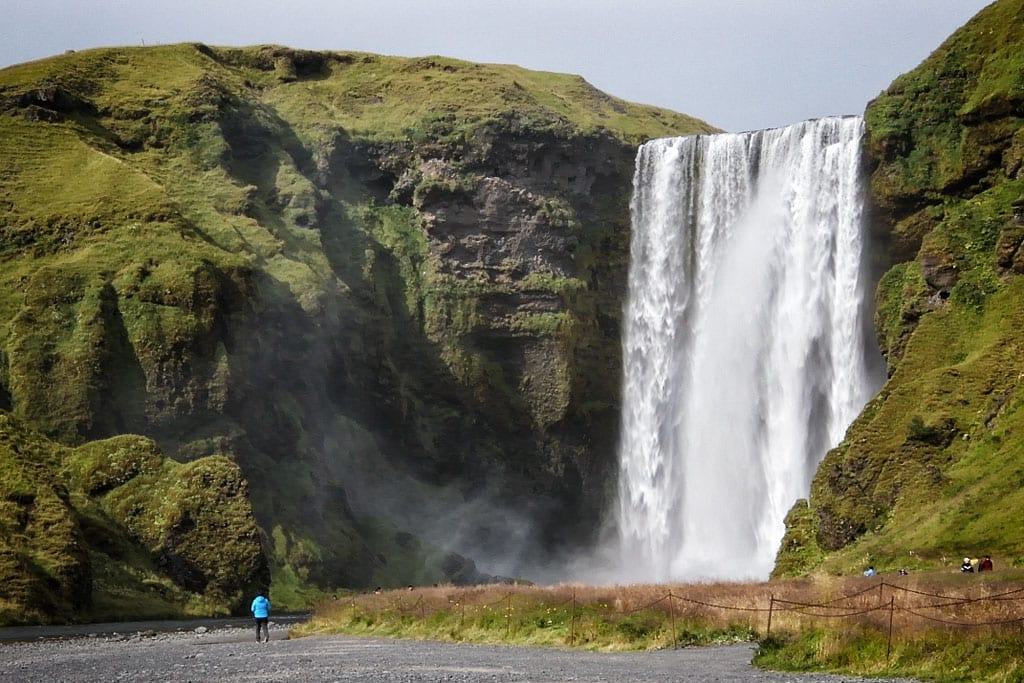
Skogafoss
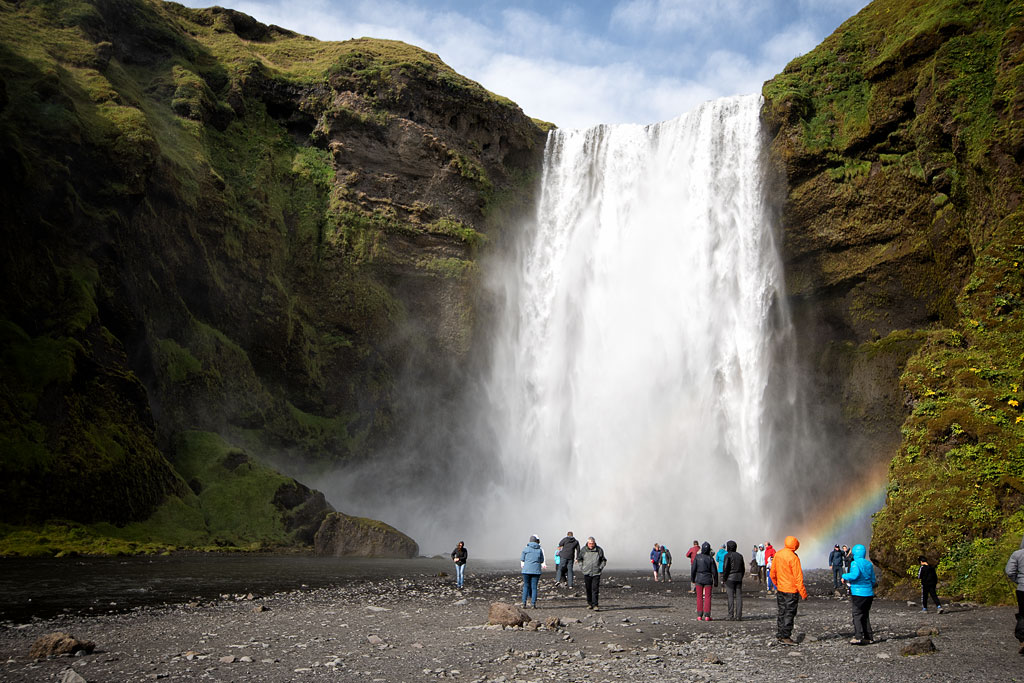
It is located at one end of the river Skógá that flows from two glaciers: Eyjafjallajökull and Mýrdalsjökull. The two streams meet and reach their end by falling from over 60 meters (200 ft), creating plenty of fine mist. All it takes is just a few sunrays and you can admire amazing rainbows (often double). The rocks surrounding the waterfall, covered in vivid green moss, only add to the beauty of this place.
Another nice thing about it is that there are special metal steps leading to the top of Skogafoss. This gives you a unique chance to see not only the waterfall but also the lovely surrounding area from the observation deck up there. However, for this very reason the place is quite popular and the campsite at the foot of the waterfall can be crowded.
Read more about it here: Skogafoss – spectacular waterfall on the south coast.
Svartifoss

Svartifoss with basalt columns
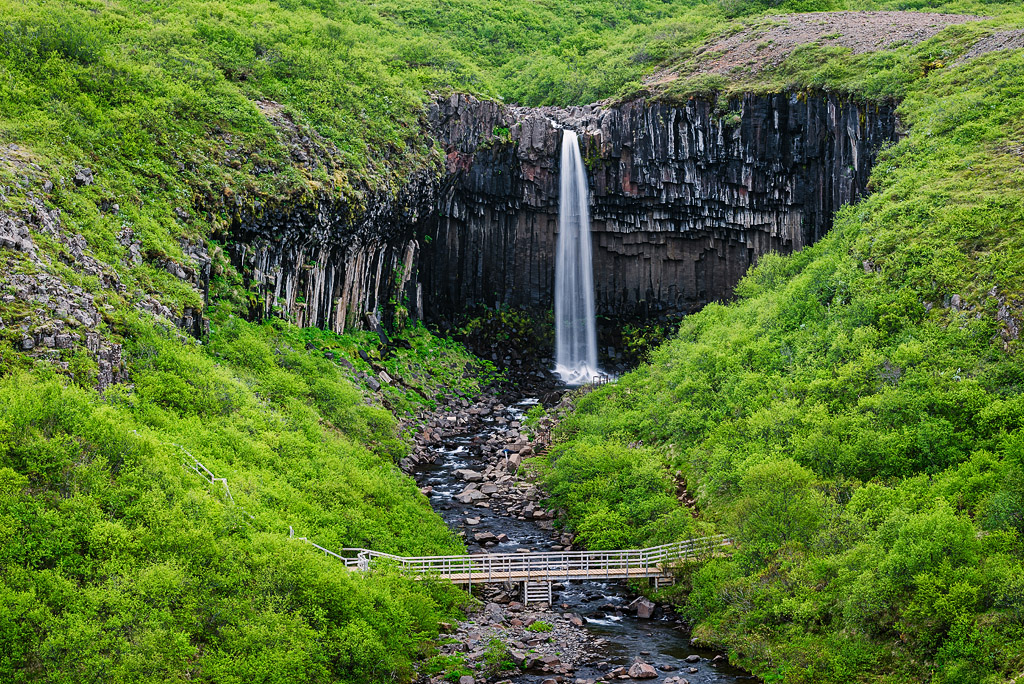
An easy, 2-km (1.2-mile) hike from the parking lot will take you right to the waterfall. Its name literally means black waterfall – and for a good reason. Svartifoss is set in basalt columns — an effect caused by congealing lava. Interestingly, the tall hexagonal pillars were the inspiration behind Hallgrímskirkja church in Reykjavik.
The list above can surely serve you as a general overview of Iceland’s most beautiful waterfalls and help you select your must-see places on your trip to this enchanting island.
[Bonus] Less popular but beautiful waterfalls in Iceland
Additionally, take a look at this bonus list of eight places that may not be as spectacular as the ones above but are equally worth visiting:
Bjarnarfoss

Bjarnarfoss
Gljufrabui
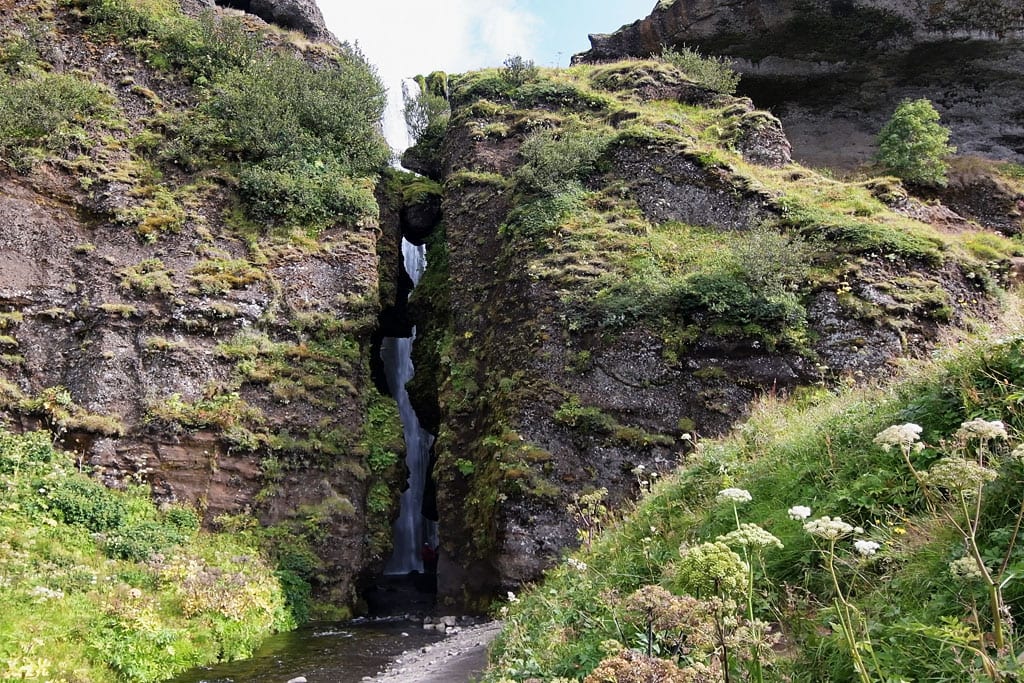
Gljufrabui
Godafoss
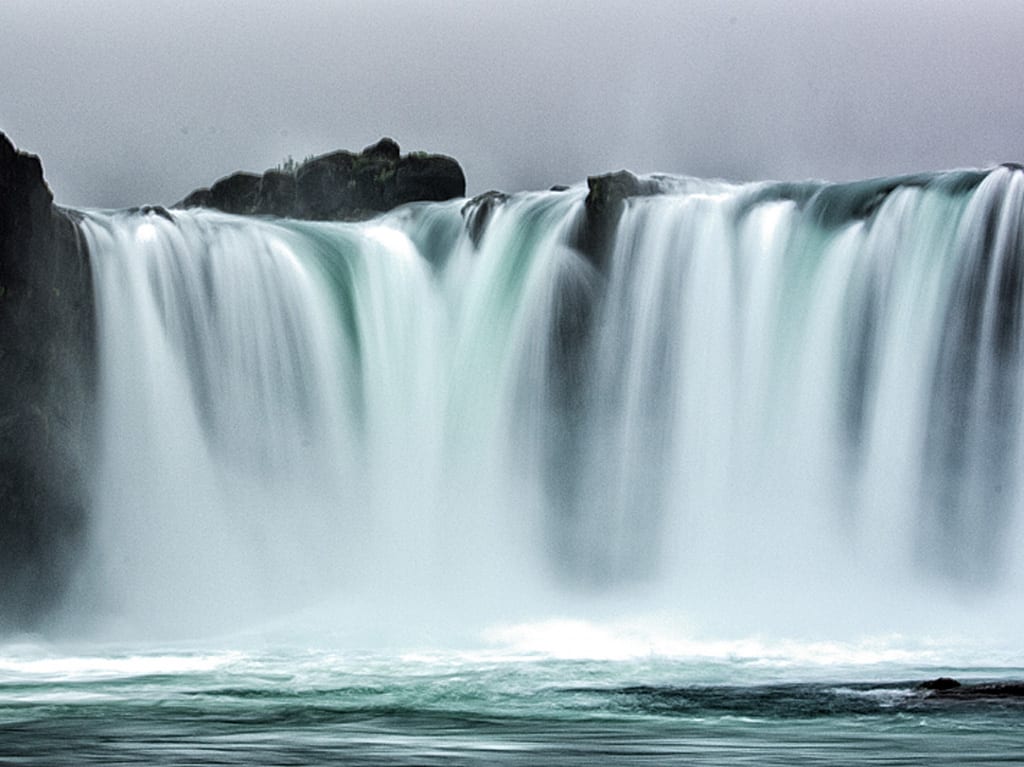
Godafoss
But its special meaning hides in the name: Goðafoss, meaning waterfall of the gods. It is said to have been here in the year 1000, after the Icelandic parliament decided to convert the country to Christianity, that one of the leaders threw statuettes of pagan gods into the churning waters as a symbol of departure from the old religion.
This waterfall is on Road 1, where F26 forks off south. There is a large gas station and a snack bar nearby. It really is worth stopping here for a bit to look at Godafoss. Read more about it here: Godafoss – waterfall of the gods.
Hraunfossar
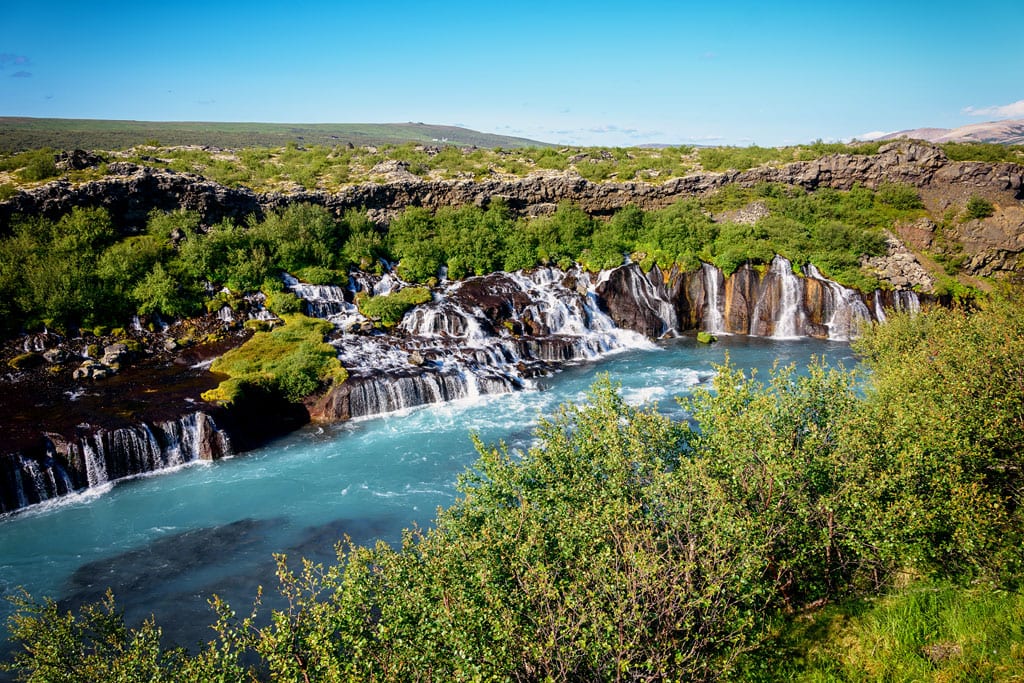
Hraunfossar
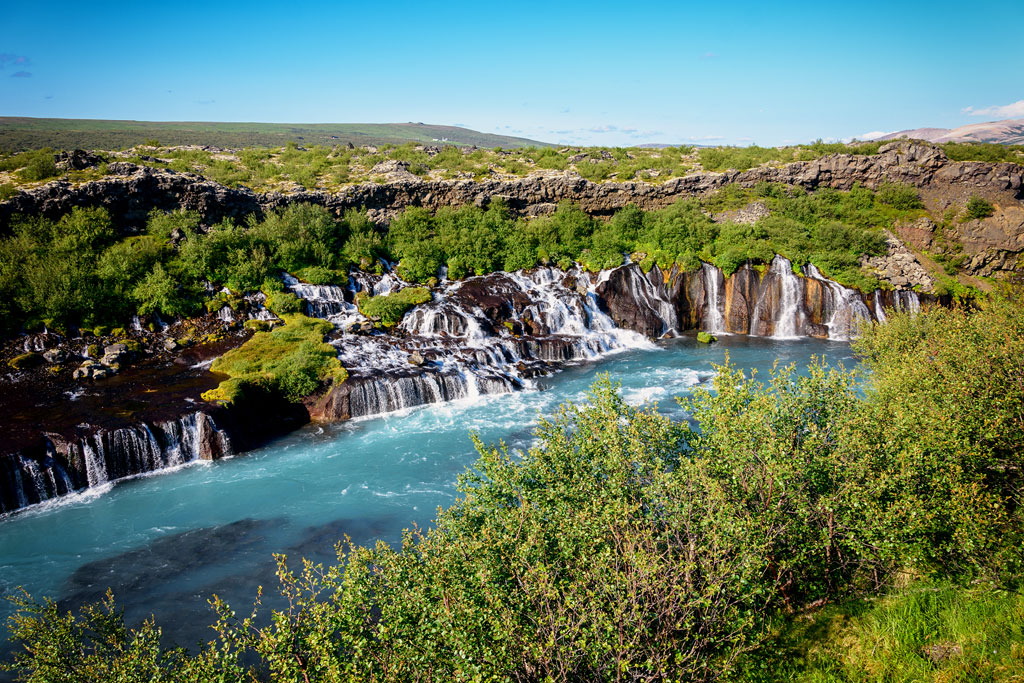
Hraunfossar never freezes over — the groundwater that feeds it goes across the Hallmundarhraun lava field, owing to which its temperature remains constant throughout the year.
The whole area around Hraunfossar is very interesting and full of attractions (see: Hraunfossar and Barnafoss – a small but unusual pair of waterfalls). This area is located near Road 1 and Reykjavik. A place definitely worth visiting as a nice add-on.
Klifbrekkufossar
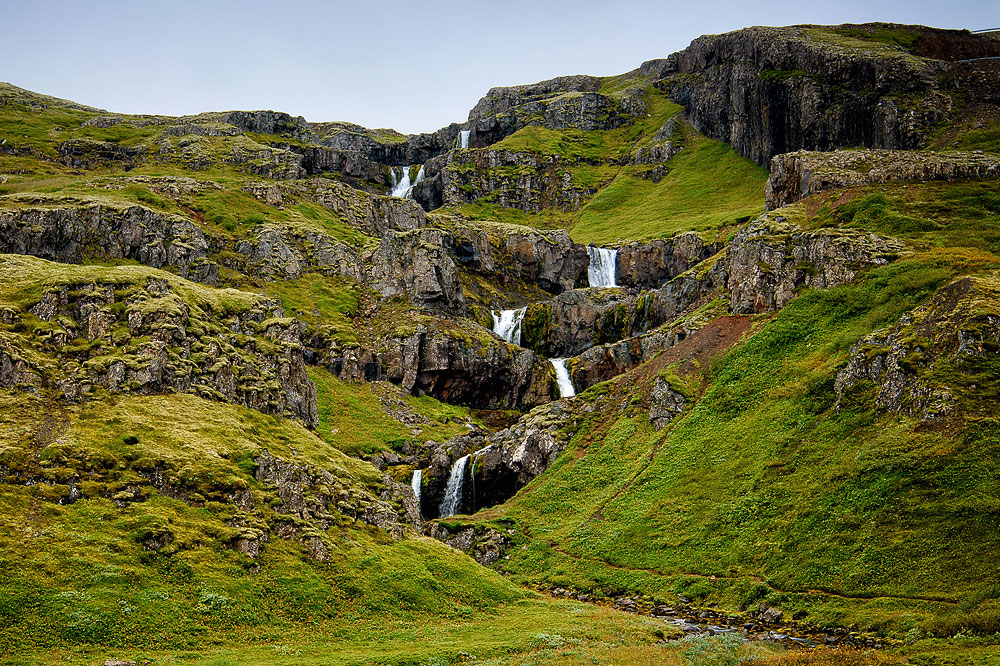
Klifbrekkufossar
But that doesn’t diminish its beauty – it’s just that Klifbrekkufossar is more of a cascade of 10 or so small falls, each only a few meters high, than a single huge one. But it is exactly the zigzagging cascade that makes it unique, interesting, beautiful and finally: certainly worth visiting. Some even rank it as THE #1 waterfall of Iceland…
Klifbrekkufossar is located in Mjóifjörður, on the east coast (aka the East Fjords), east of the regional capital Egilsstadir and one fjord south of Seydisfjordur, where the main ferry harbor is. It’s road 953, and down in the fjord you can also see the rusting remains of a US Navy LCM landing craft, bought from the Navy by local fishermen after World War II and later abandoned on the shore.
Kvernufoss
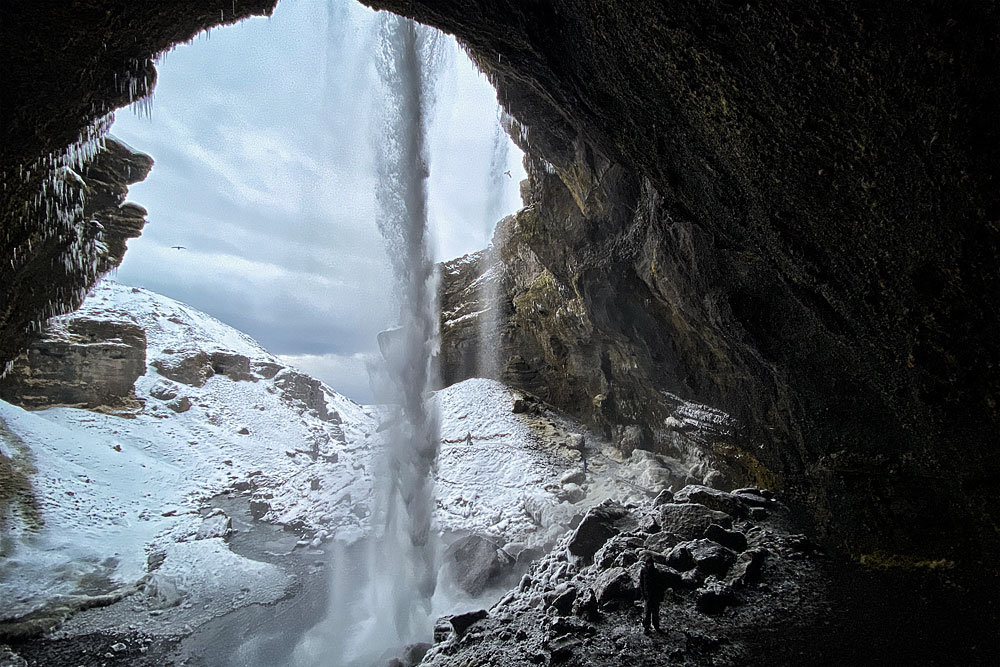
Kvernufoss
Kvernufoss lies about a mile east of Skogafoss and you can walk to it from the same parking lot, if you feel like it (but you can also move your car to a parking lot right at the start of the trail).
The unique quality of Kvernufoss is that it is one of the few waterfalls where you can easily walk behind the column of water and enjoy the views from behind it. It’s a bit smaller than Seljalandsfoss, but it’s located in an absolutely breathtaking gorge, which is worth visiting in its own right. Definitely worth seeing!
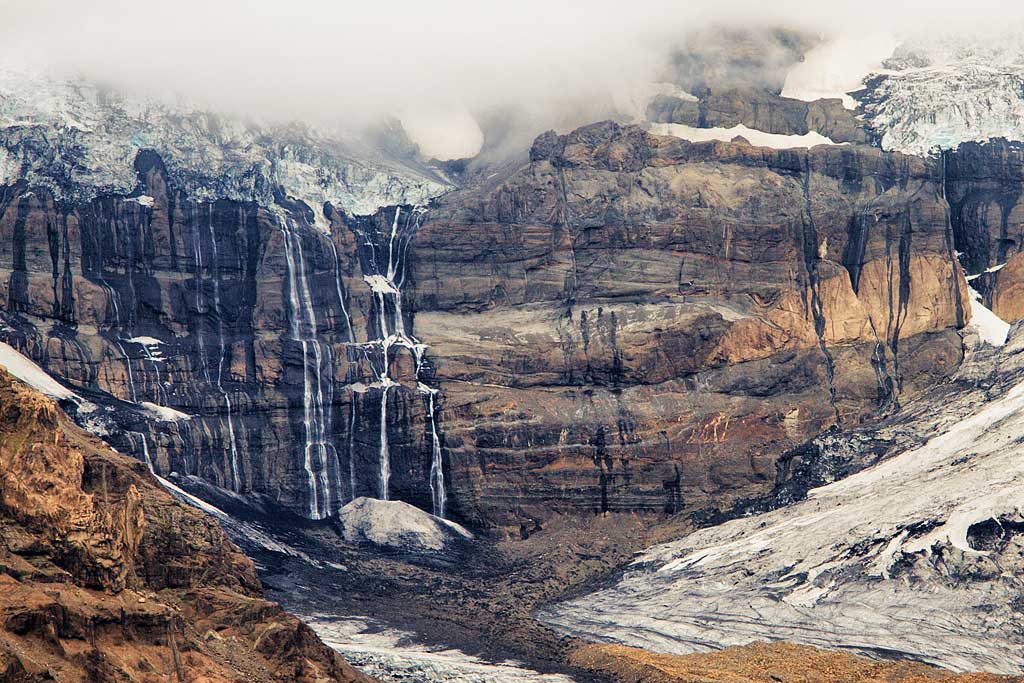
Morsárfoss

Morsarfoss
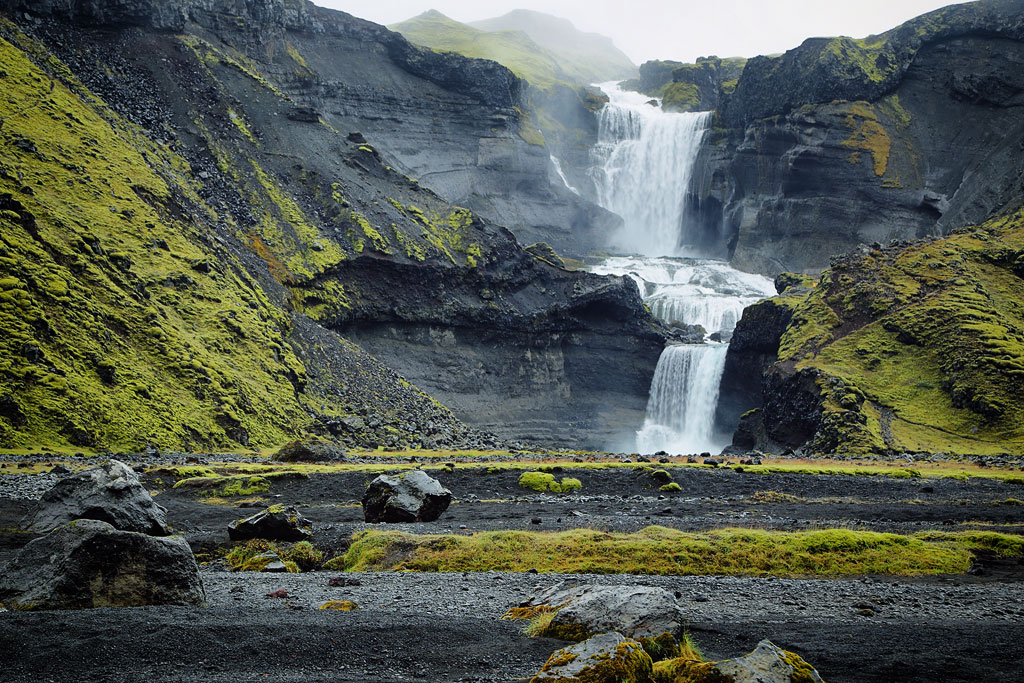
Ofaerufoss
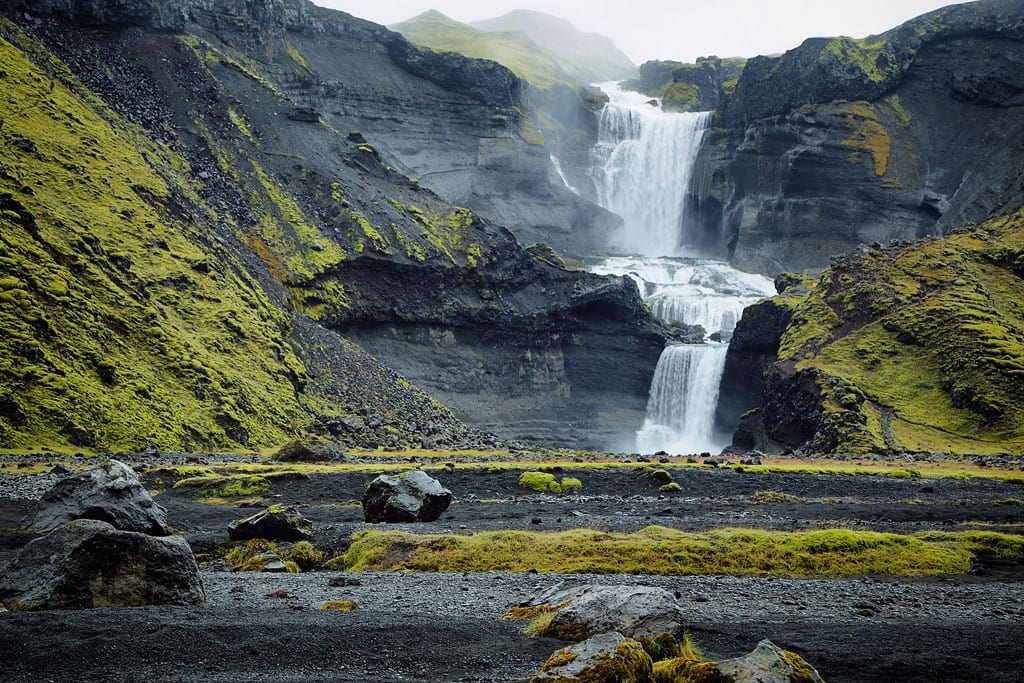
Ofaerufoss