

Eyjafjallajokull is a subglacial volcano that became world famous for its 2010 eruption. The sheer amount of volcanic ash it threw into the atmosphere paralyzed air travel across much of the world for the better part of two weeks. We all remember these events, although few remember – and can pronounce – the name of the volcano 🙂
Eyjafjallajökull – what kind of volcano is it?
Eyjafjallajokull is a subglacial stratovolcano with both effusive and explosive eruptions. It reaches a height of 1,651 meters (5,417 feet) and is one of the highest elevations on the southern coast of Iceland. At its base, the volcano is about 25 x 15 km (15 x 9 miles) in size, but its caldera is quite small – it is only about 2.5 km (1.5 miles) in diameter.
Eyjafjallajokull became widely known in early 2010, when it shot out a fountain of lava and ash after 187 years of dormancy. In terms of volume, it was not a large eruption. The outflow of lava (with temperatures as high as 1,200 °C / 2,200°F) is estimated at only 0.023 km3, and the amount of ash ejected at 0.27 km3. Many volcanic eruptions in Iceland were many times larger. Of key importance, however, was the cloud formed from the ejected ash, which reached as high as 7 km (about 23,000 feet). Volcanic ash is fine, but very hard, so it rips the paint off flying aircraft, scrapes off the top layer of windshields, eliminating their transparency (pilots lose visibility), and, well, destroys their engines. Aircraft accidents caused by volcanic ash clouds have happened before, for example, in Indonesia.
Although no Icelanders were directly affected as a result of the eruption, islanders complained of upper respiratory tract irritation.
Tours to Eyjafjallajokull
Eyjafjallajökull is one of the most visited glaciers on Iceland’s southern coast. You can see it on your own or go on an organized guided tour. Keep in mind that most of the hiking trails near the volcano can only be used (on your own) in summer. In winter, you can view the area on a jeep ride with an experienced driver or guide, or on a snowmobile expedition.
If you want a unique experience, you can get a bird’s-eye view of the volcano. Helicopter tours are becoming increasingly popular and are being organized by more and more local tourist offices. Although such an attraction is not among the cheapest, it is sure to be unforgettable.
Book your tour here: jeep and glacier tours around Eyjafjallajökull.
How to get to Eyjafjallajökull
Eyjafjallajokull is located in southern Iceland, about 35 km (22 miles) northwest of Vik and just above Skogar, northwest of Skogafoss waterfall. It is also one of three volcanoes surrounding the region of Thorsmork.
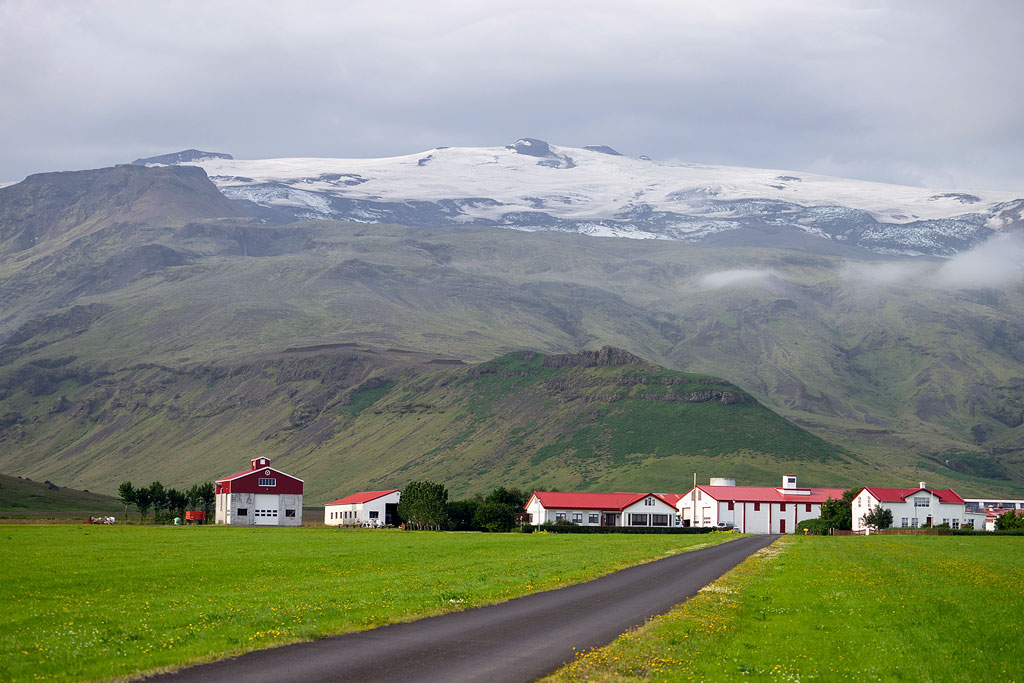
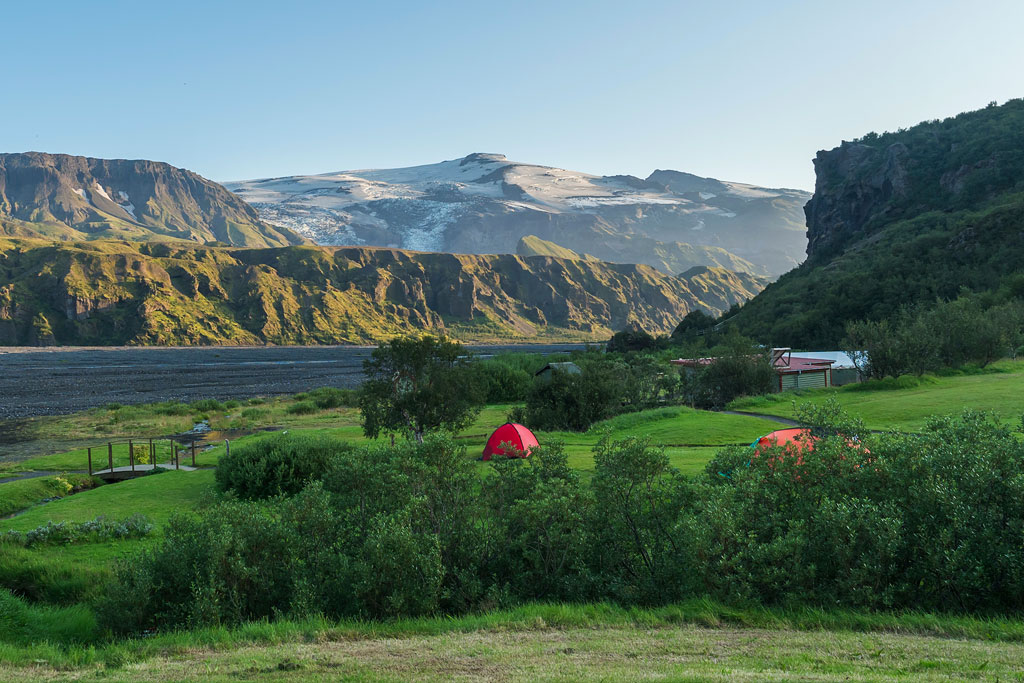
It can be perfectly seen both from Route 1, such as the Skogar area, and from the north, from the F249 road entering Thorsmork.
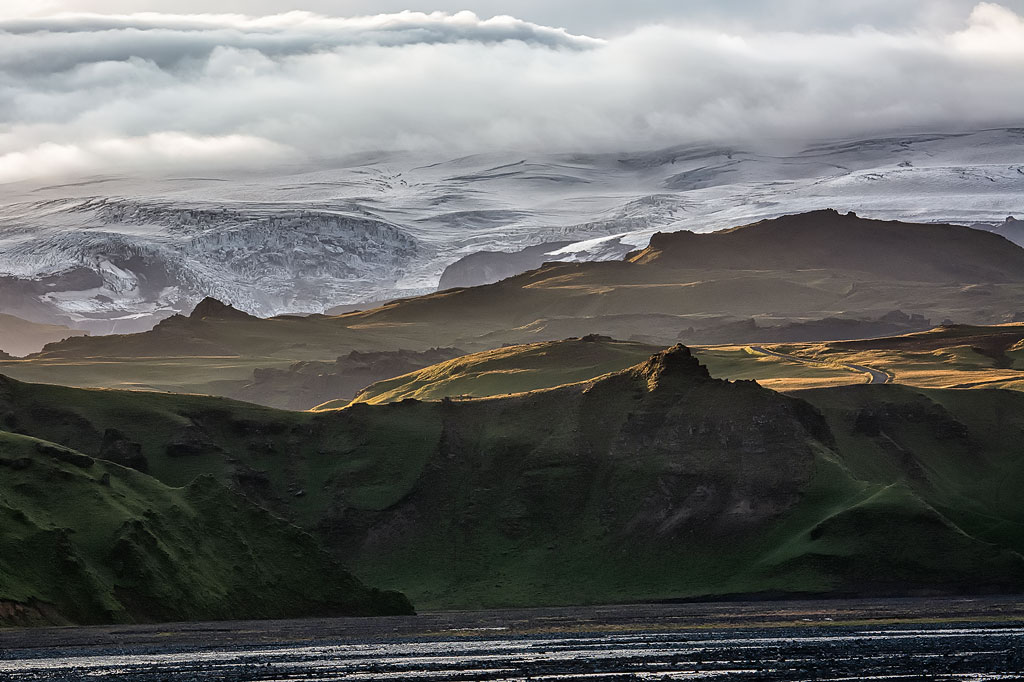
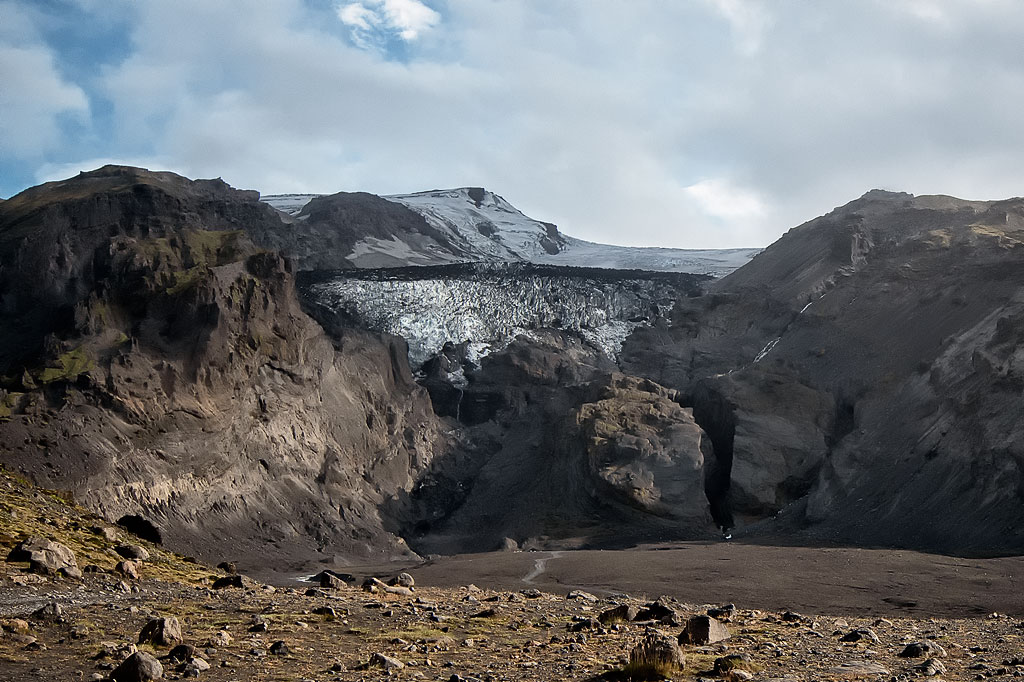
Photos of Eyjafjallajokull