


Iceland is home to plenty of amazing animal species, and many of them are extremely rare in other parts of the world. It’s a great place to watch whales, seals, countless birds, arctic foxes, mink and even reindeer! Sheep and charming Icelandic horses can be seen virtually everywhere, but where do you stand a chance of encountering the less common species?
Take a look at our list of the top 5 places to watch wildlife in Iceland.
Whale watching: Husavik
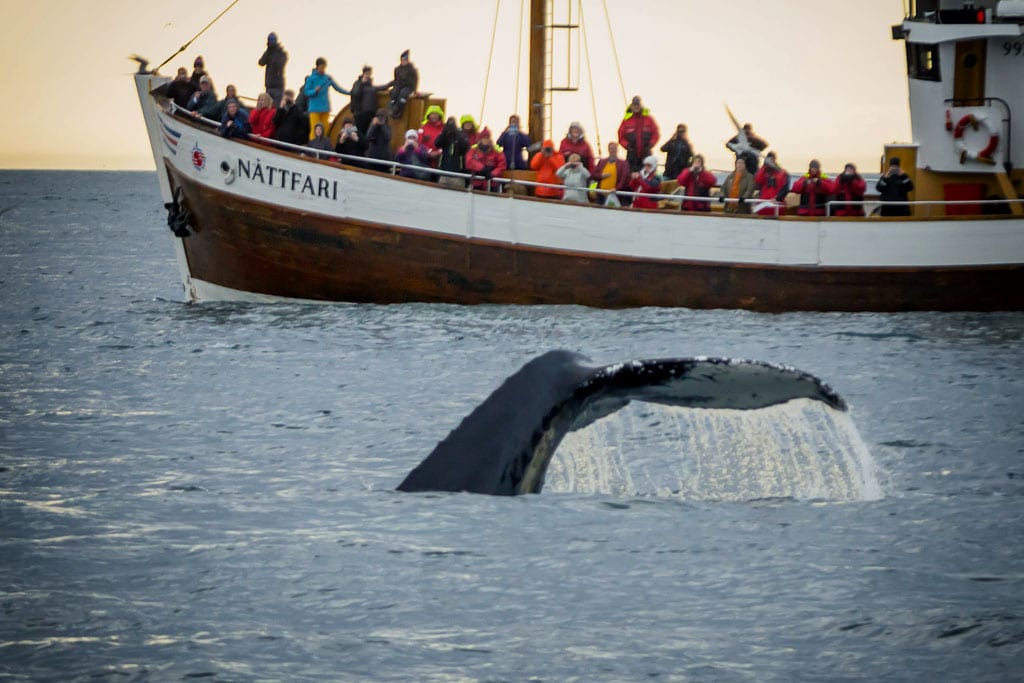
Whale watching from an old fishing boat
Whale-watching cruises are a fantastic opportunity to see these gigantic mammals in their natural surroundings. What’s more, your chances of spotting at least one on such a cruise are very high – and if you don’t, operators often give refunds or invite you on their next cruise.
Tours like this set out from several ports, but Husavik – the whale-watching capital of the north – offers the best conditions. The town’s history has been closely connected to whaling from its very early days.
Other towns that offer whale-watching cruises are nearby Akureyri, Reykjavik and Heimaey in the Westman Islands (Vestmannaeyjar). A cruise takes about 2–3 hours. Depending on where you set out from and what kind of boat you take, you have different chances of seeing various species of whales and other cetaceans. Read more in our separate article on the topic: Whale-watching cruises in Iceland – how, where, when and how much.
A perfect complement to a cruise, especially if you’re traveling with kids, is a visit to the Whales of Iceland exhibition in Reykjavik. There you can learn plenty about these huge marine mammals and see their impressive full-size models. On a typical cruise you only get to see a whale’s back or the tip of its nose, while the exhibition lets you take a close look at different species from every possible angle…
Rare arctic animals: Hornstrandir reserve
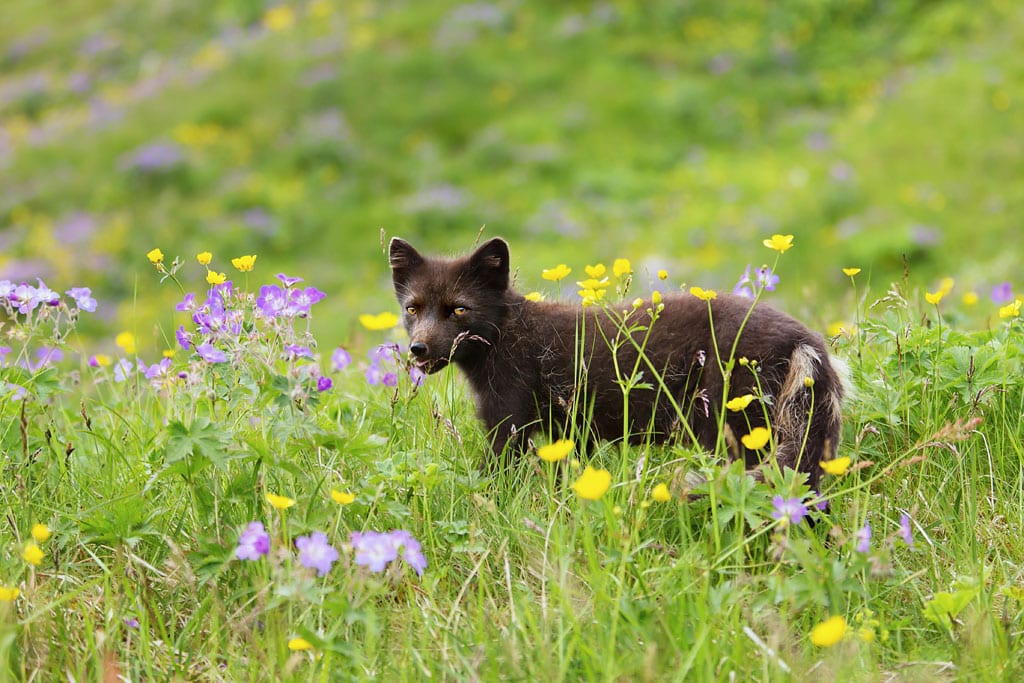
Arctic fox in Hornstrandir
Don’t let the hardships of the journey discourage you. In Hornstrandir you’ll get the chance to see arctic foxes, puffins, seals and whales with your own eyes. On top of that, this tremendously exciting part of Iceland offers mind-blowing views and landscapes: towering vertical cliffs with violent ocean waves crashing against them are just one example of the astonishing scenery here. Hornstrandir has no roads or infrastructure – just wilderness stretching in every direction.
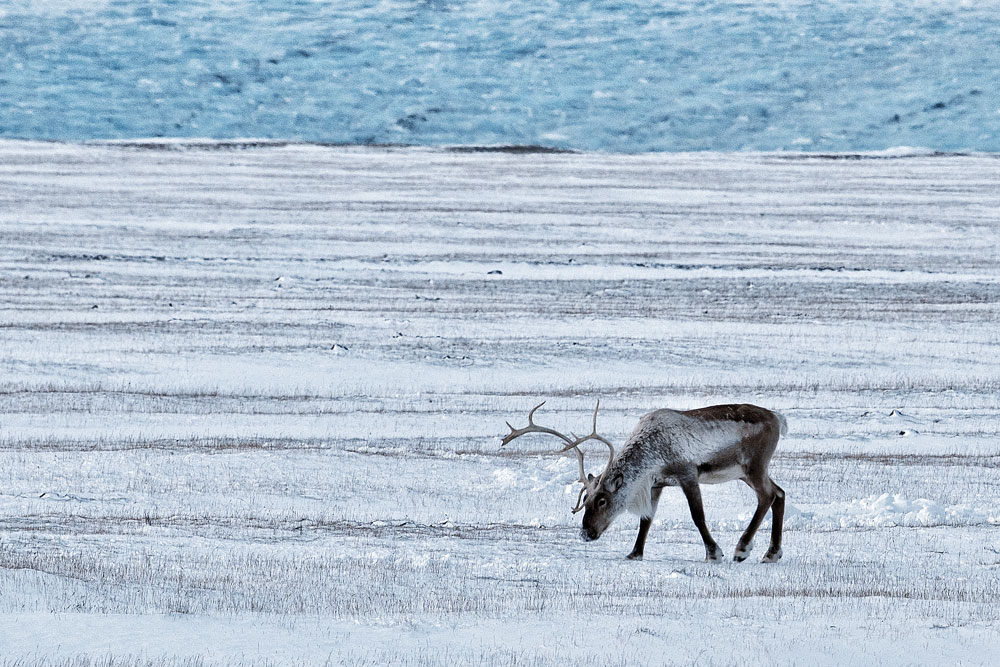
Grazing reindeer
Látrabjarg: a paradise for puffin lovers
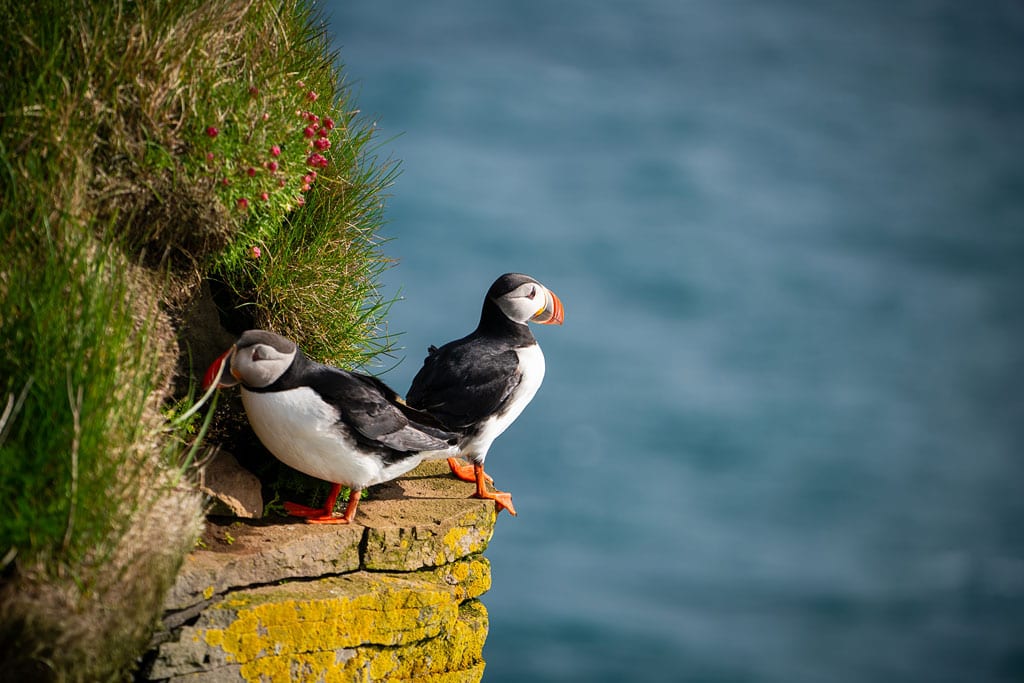
Puffins at Latrabjarg
Near Látrabjarg there are numerous hiking trails that lead to the most beautiful viewpoints. You can choose among trails of different lengths, so every nature lover will find something suitable.
If you don’t have time to travel to the remote Westfjords, another good place to watch large puffin colonies is the Dyrhólaey peninsula near Vik. It’s a small, rocky cape right next to Kirkjufjara beach. The place is easily accessible and offers charming scenery made up of intricate basalt formations that often rise straight out of the ocean.
The “big three” of the best puffin-watching spots is completed by the “micro peninsula” of Hafnarholmi, right by the harbor of Borgarfjordur Eystri – about 45 miles (75 km) northeast of Egilsstadir in East Iceland. It’s a bit of a detour from Route 1, but the great advantage of this place is that you can watch the bird colonies up close and in complete safety. Many people believe Hafnarholmi is the #1 puffin-watching spot, even though the place itself is far less spectacular than the magnificent Latrabjarg cliffs.
Seal colony on Ytri Tunga beach
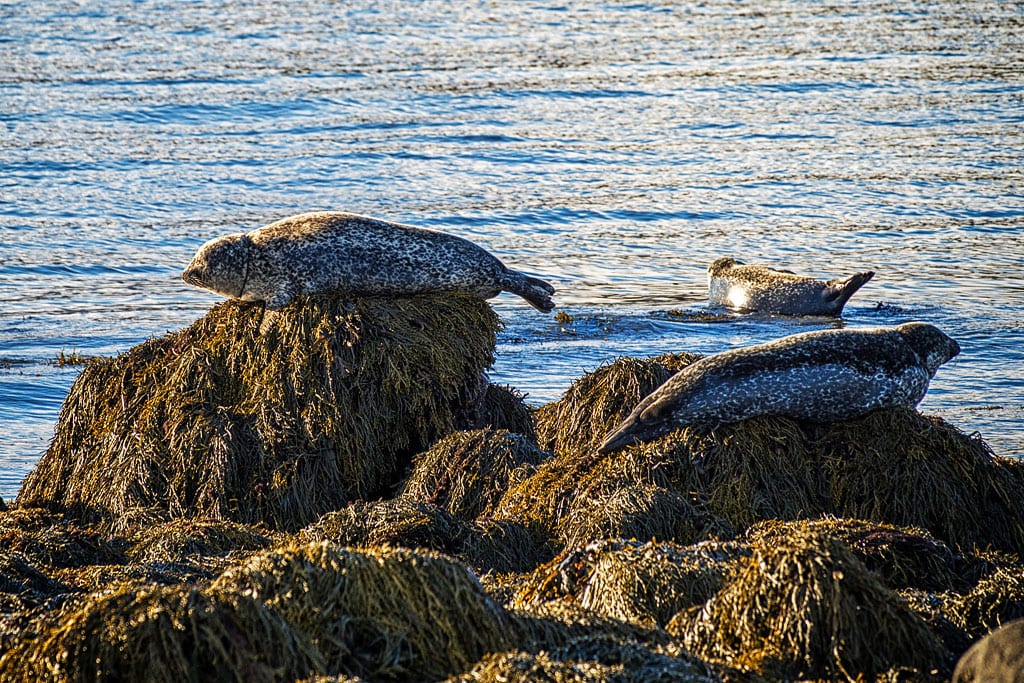
Seals at Ytri Tunga
It’s a perfect place for all lovers of nature and wildlife. If you enjoy watching animals in their natural surroundings, you should definitely go there: Ytri Tunga – a beach teeming with seals.
Seal colonies can be found on many Icelandic beaches (for example, they often turn up near Hvitserkur in the north), but only Ytri Tunga lets you be almost certain of an encounter.
A paradise for bird lovers: the Lake Myvatn area
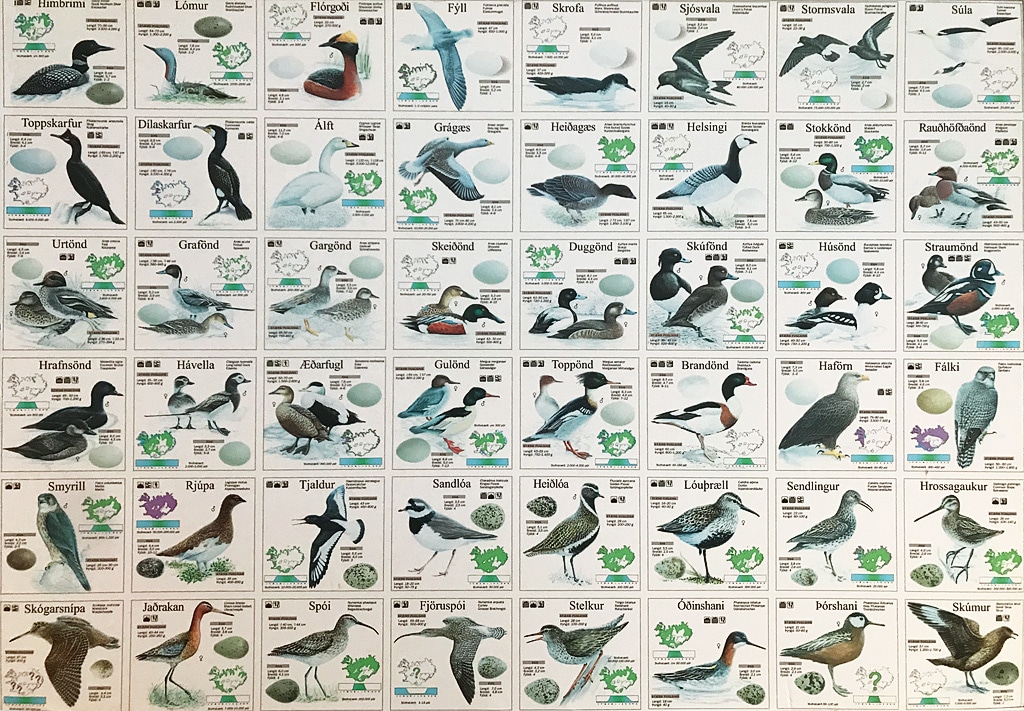 Myvatn is best known for its amazing geological formations created by unusual volcanic activity. The second thing tourists often notice are the tiny flies called midges: Myvatn literally means “lake of midges”, and the area really is full of these tiny insects.
The area around the lake is also home to a remarkable variety of wild birds. If you want to learn more about the species living here and observe their life up close, start with Sigurgeir’s Bird Museum (fuglasafn.is). It’s a very interesting place that tourists rarely visit, which is a bit of a shame.
Bonus: Húsdýragarðurinn
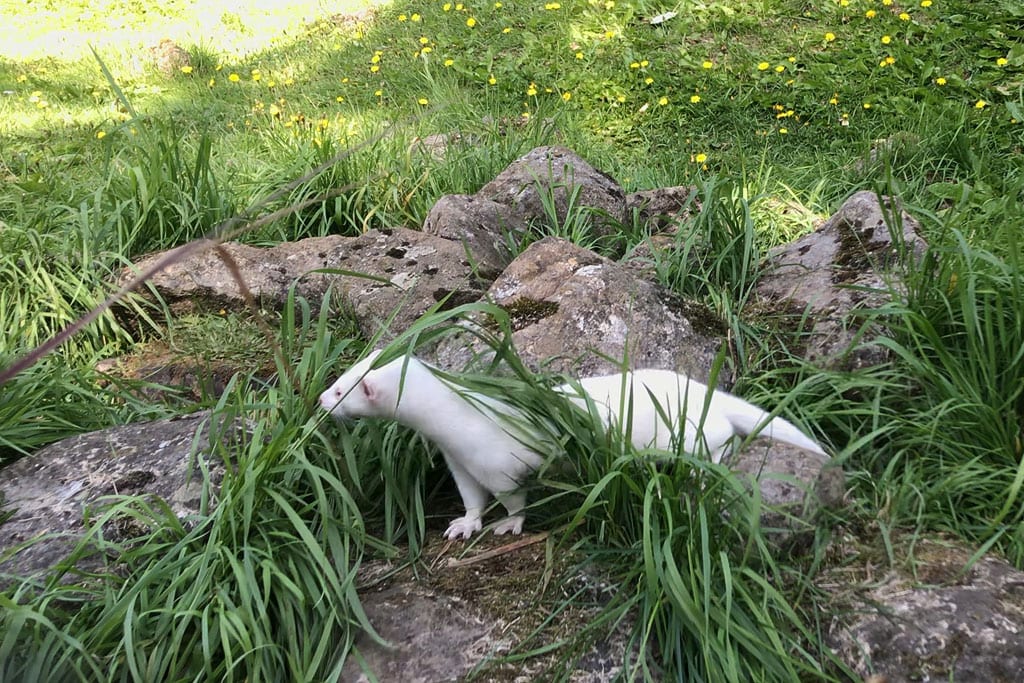 A bonus place worth adding to your wildlife-watching list is Húsdýragarðurinn, the Reykjavik Zoo. Mind you, the name “zoo” doesn’t really do it justice: it’s more of an animal park where you can see (and often pet) many animal species that live in Iceland. What makes it special is that you won’t find any exotic animals here, only those that naturally live on the island. This park in the Icelandic capital is a great outing for kids and adults alike.