

Mývatn is a beautiful lake with many small islands in the north of Iceland, about 80 km (50 miles) east of Akureyri, the country’s second largest city. The lake covers 36.5 square kilometers (14.1 square miles), which makes it the fourth largest body of water in Iceland. The long, complex, and extremely intense geological history of the region has created many rock formations here that are unique in the world. The volcanic landscape, picturesque surroundings, tranquility, and birdwatching opportunities make it one of the most interesting natural attractions on the island.
The name Mývatn itself means “midge lake,” and indeed – in summer, the area swarms with midges (you will not run into mosquitoes here, though the first ones were detected in Iceland in 2025). Of course, the crowds of tourists do not come here for the flies. They come because, thanks to its unusual history, Lake Myvatn gathers on its shores a wealth of fascinating, sometimes completely unique attractions of geological origin. The area also offers great conditions for birdwatching, fishing, and even spotting Arctic foxes.
The lake lies right on Route 1 (the Ring Road), and Road 848 leads around it.
Attractions around Lake Myvatn
The shores of the lake are dotted with the strangest rock formations of volcanic origin. The most important ones include:
- Skutustadagigar – unique pseudo-craters
- Hofdi and Gud Fingur – the picturesque shore of Lake Myvatn
- Dimmuborgir – the “Black Fortress” lava field
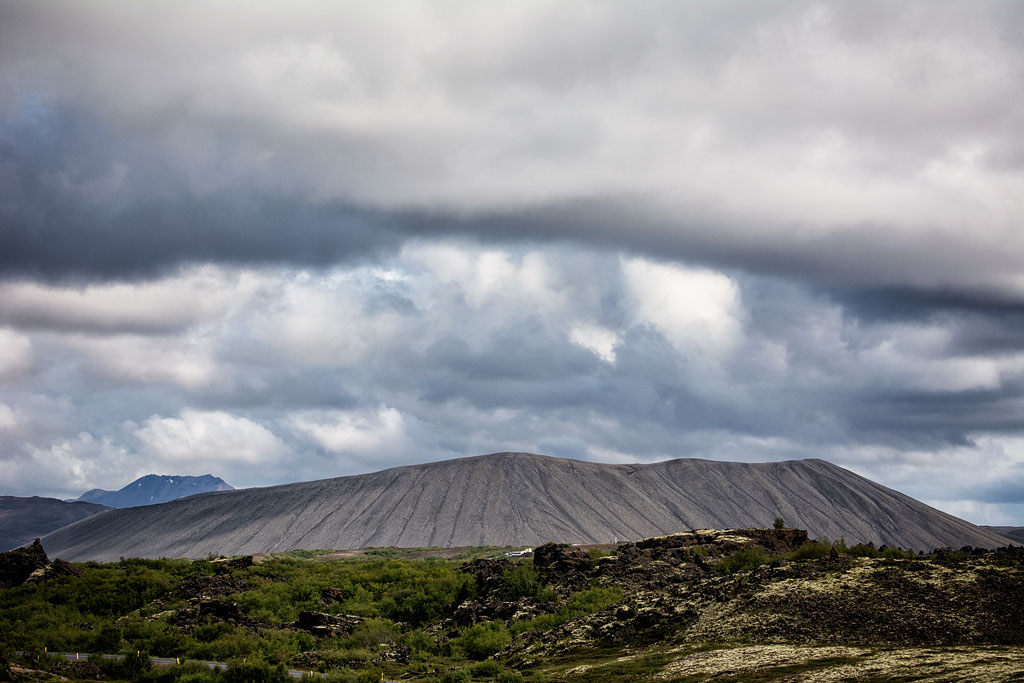
- Hverfjall – a volcano like no other
- Grjotagja and Storagja – rock fissures filled with hot water
- the Eldhraun lava field
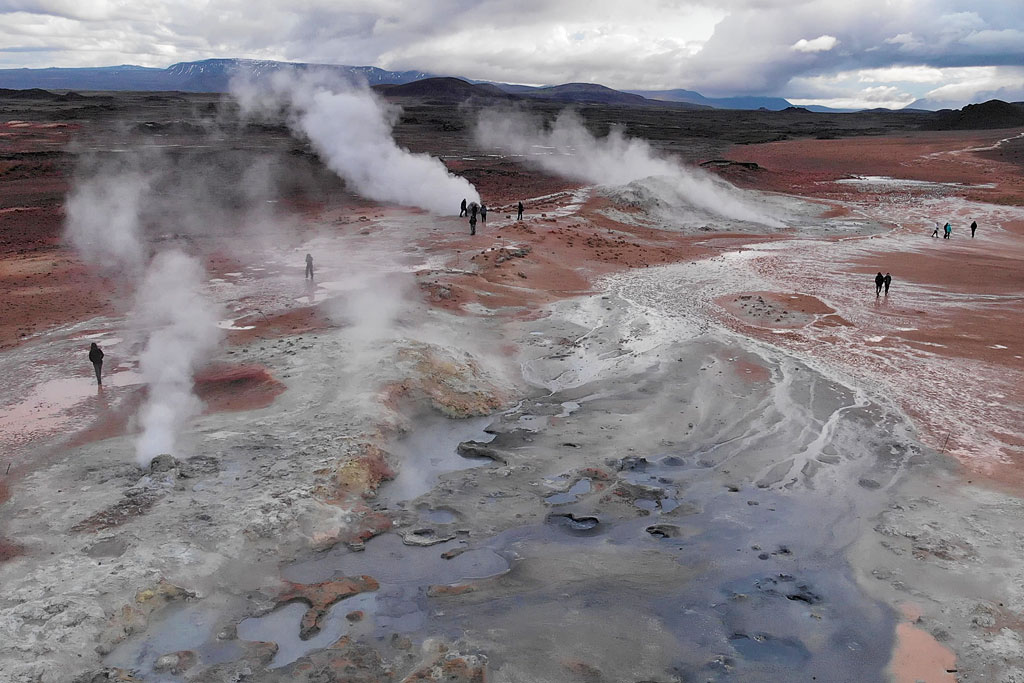
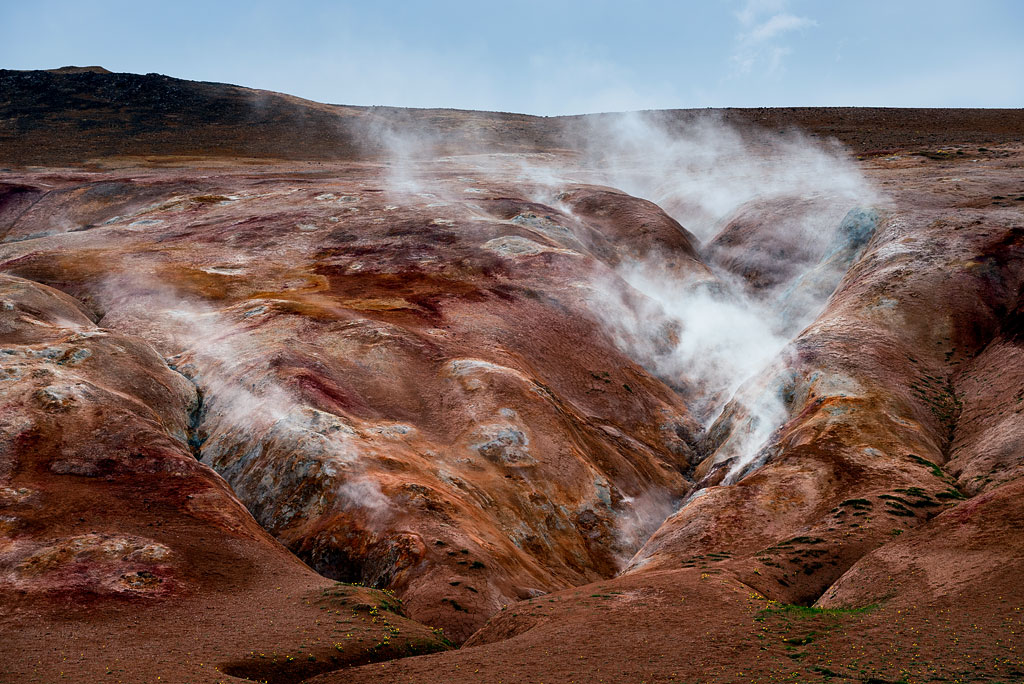
- the Namafjall Hverir geothermal area
In the immediate area, though not necessarily connected with the lake itself, you will also find:
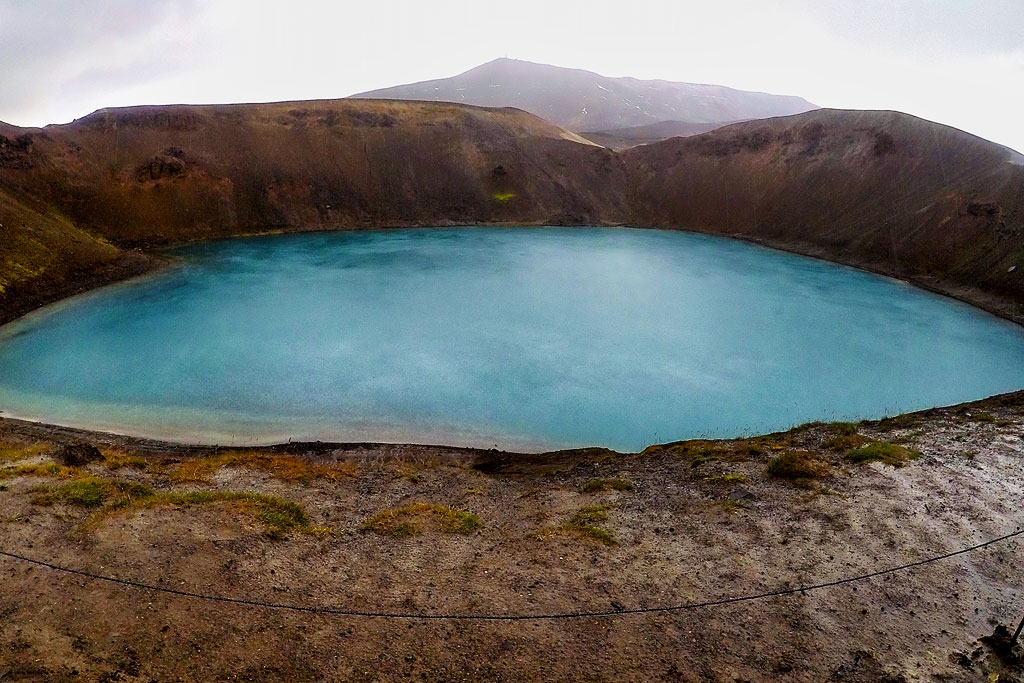
- the Krafla crater and the Leirhnjukur lava field, as well as the Kröflustöð power plant, which uses the volcano’s energy;
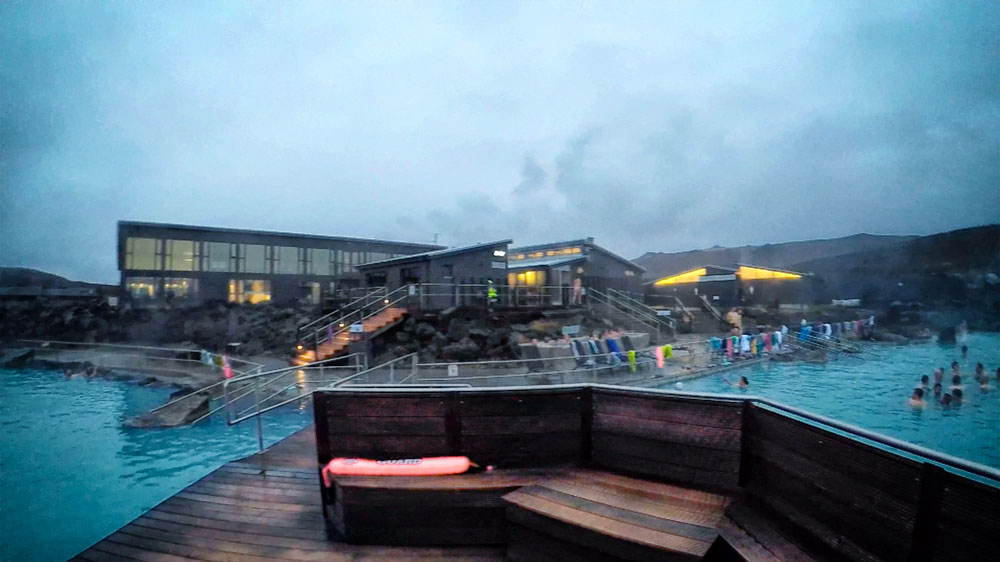
- the hot pool and spa complex Earth Lagoon Mývatn (formerly Myvatn Nature Baths, Jarðböðin við Mývatn).
There are also many cafés, restaurants, guesthouses, and campsites along the shores of the lake. The local center of civilization is the village of Reykjahlíð, with stores, gas stations, car repair shops, and more.
See also our separate article on the geological history of the Myvatn region.