


Reykjavik is Iceland’s largest and most modern city, home to more than half of the country’s population. It is also the northernmost capital of the world. For many tourists Reykjavik serves as the base for their forays into other places in Iceland, while for others it is merely an “acclimatization stop” before they venture into other regions.
What is really worth seeing in Reykjavik and how much time to devote to the city – you will find all the practical and immensely useful tips below.
The weather you can expect in Reykjavik, how to move about the city, what to consider when you book a place to stay as well as the history of this city have been described in a separate article: Reykjavik – weather, public transit, where to stay.
Things worth seeing in Reykjavik
Iceland is an amazing and beautiful country. However Reykjavik itself is a regular mid-size, nordic city and it hardly has any tourist landmarks on a European, let alone global scale.
However, there are a few reasons to spend several hours here. First of all, as always, it is worth getting to know the history and culture of any country you visit: Its sagas and legends, customs and major events that have shaped it and its people. Also if you happen to be a fan of pop-art or modernism, Reykjavik can prove exceptionally appealing. If you travel with kids who are curious explorers the city has a few great places to offer them. The same goes for those who love hot outdoor pools and springs. Finally, if you fancy tasting weird and unusual dishes all around the world – Reykjavik is a true treasure trove compared to many other cities.
I have devoted separate articles to many of the places I recommend and you can find them here:
Here you can find my own, subjective selection of the most interesting places to see and things to do in Reykjavik.
Top 6 activities and places in Reykjavik
Reykjavik is full of curious places and adorable little nooks and crannies. I have described them below and to some of them I even devoted separate articles that you can find under these links. However, there are 6 things that I believe one must not miss while in Reykjavik:
#1 A stroll through the atmospheric and lovely city center
This combines a few interesting elements; you’ll see the architecture, meet the locals, visit an interesting place or two and grab a snack as you go.
Reykjavik is a perfect place to enjoy on your own and at your own pace. You will find a detailed recommendation for a perfect stroll on your own further down, but if you’d rather join a group and do the walk with a guide, here’s a couple of top selected offers:
We do not recommend any of the hop on/off bus tours, as the city is so small, that using a bus to go from one place to another is more of a nuisance than convenience.
Tours oriented around food and drinks are listed in the paragraph below.
And here’s some views from the city:
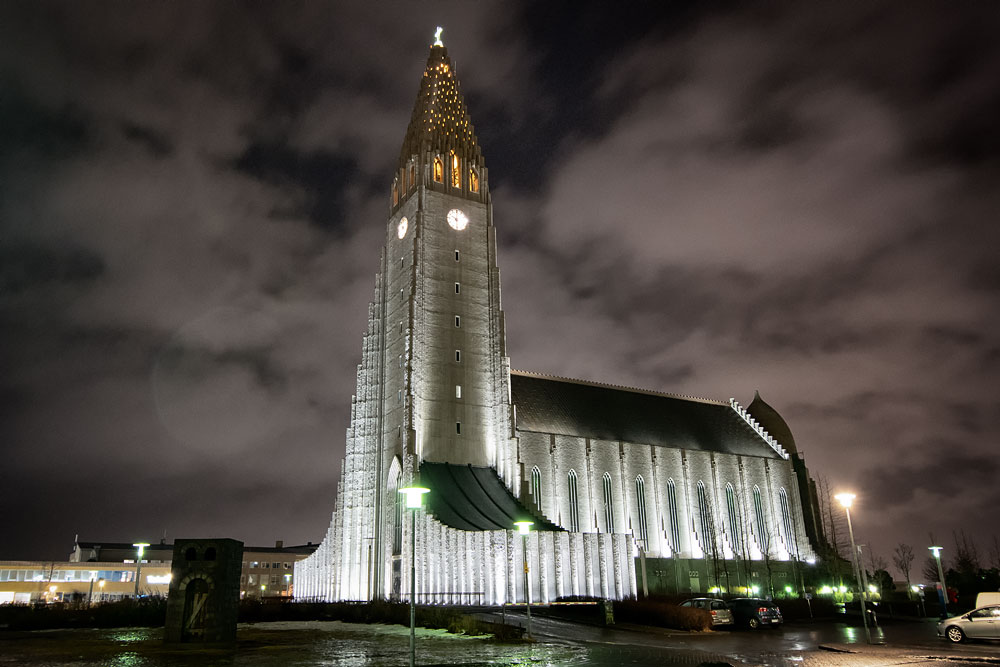
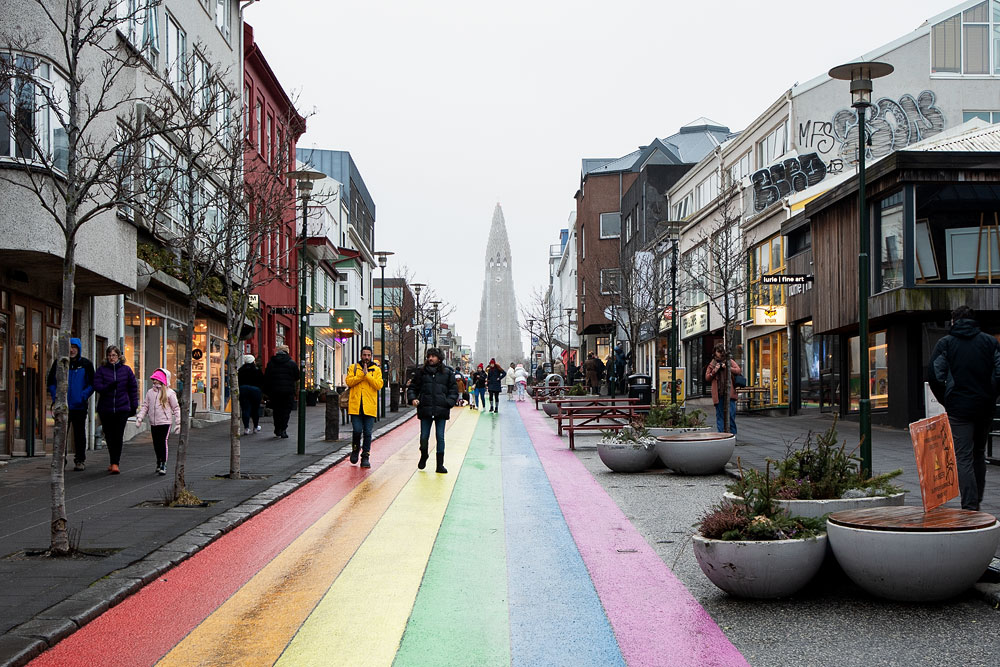
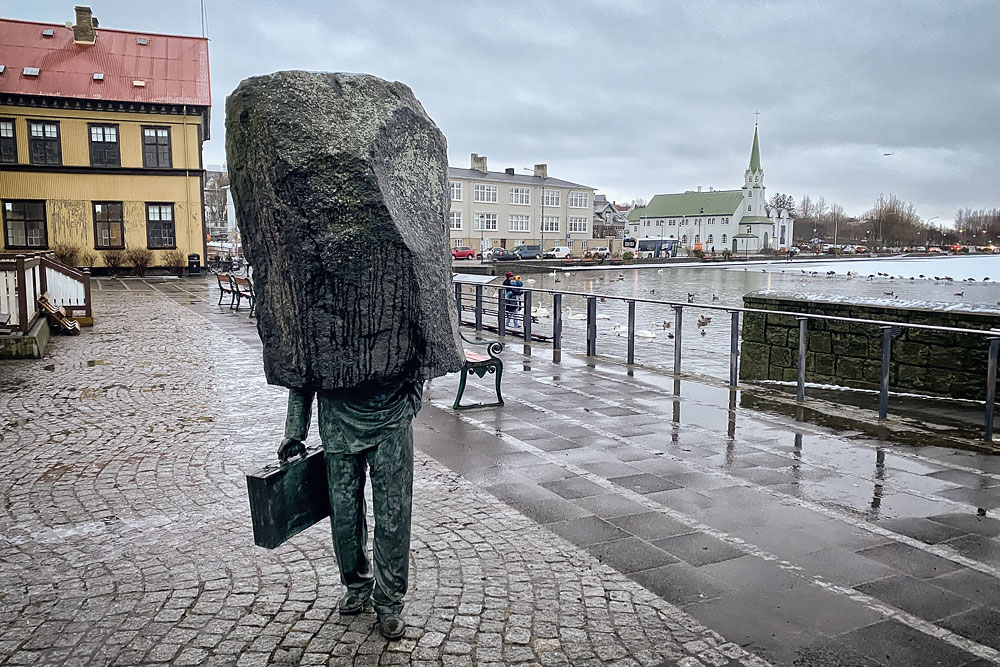
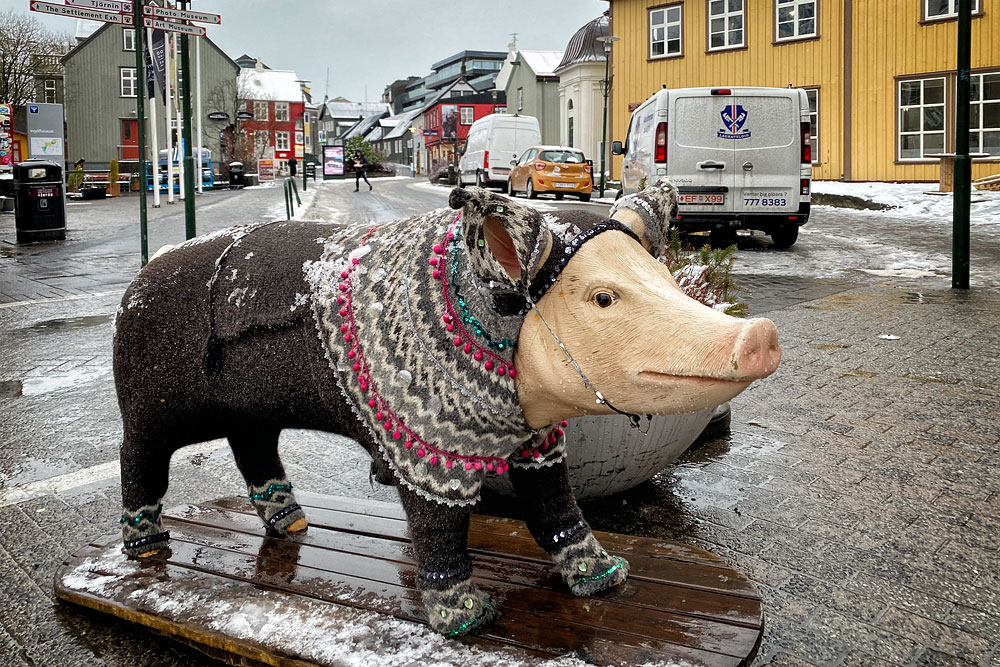
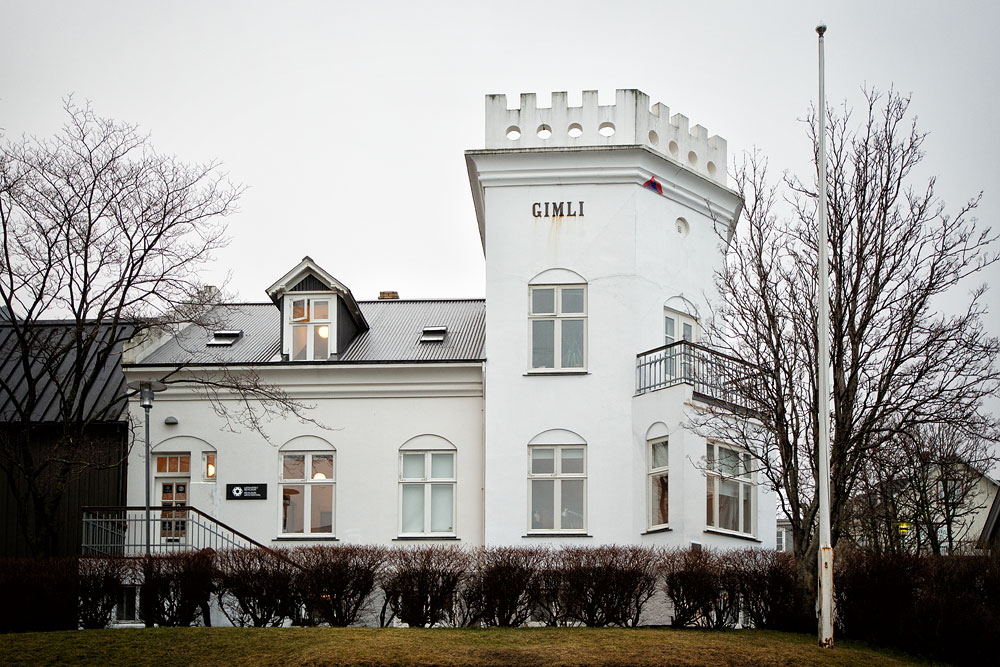
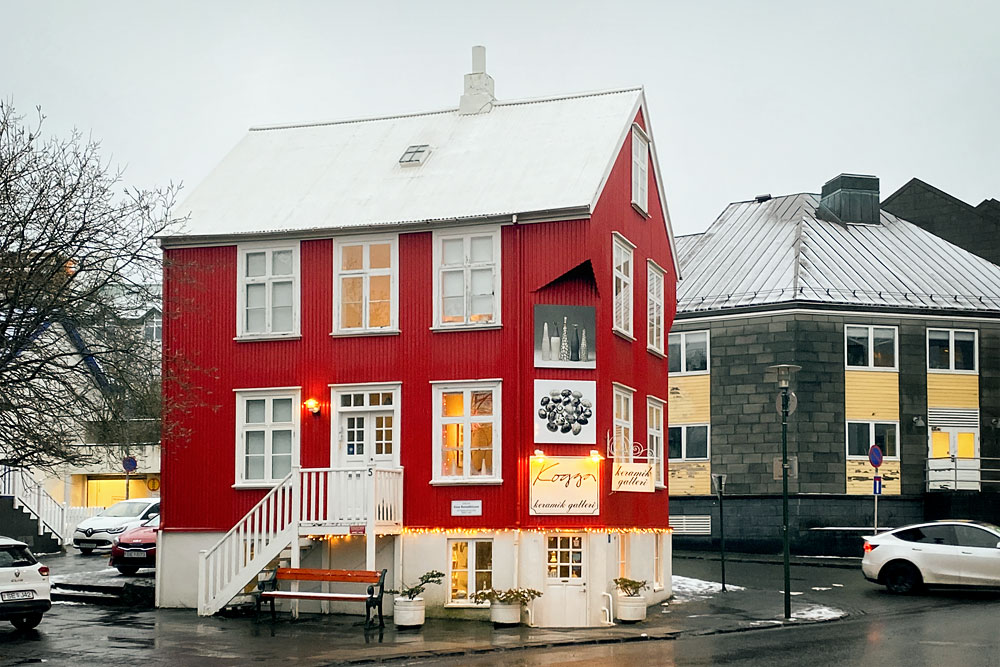

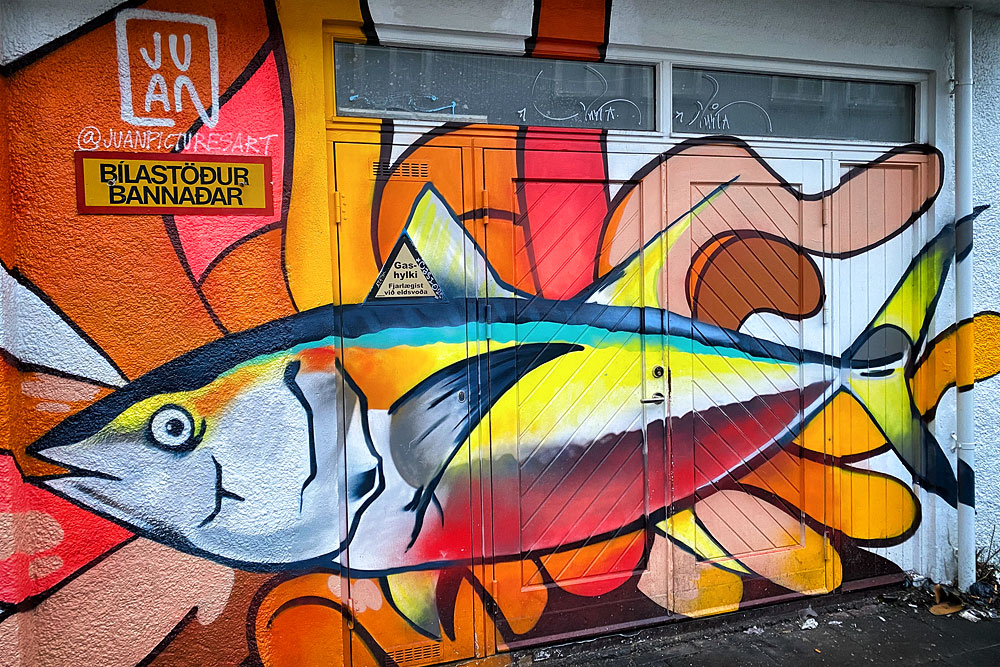
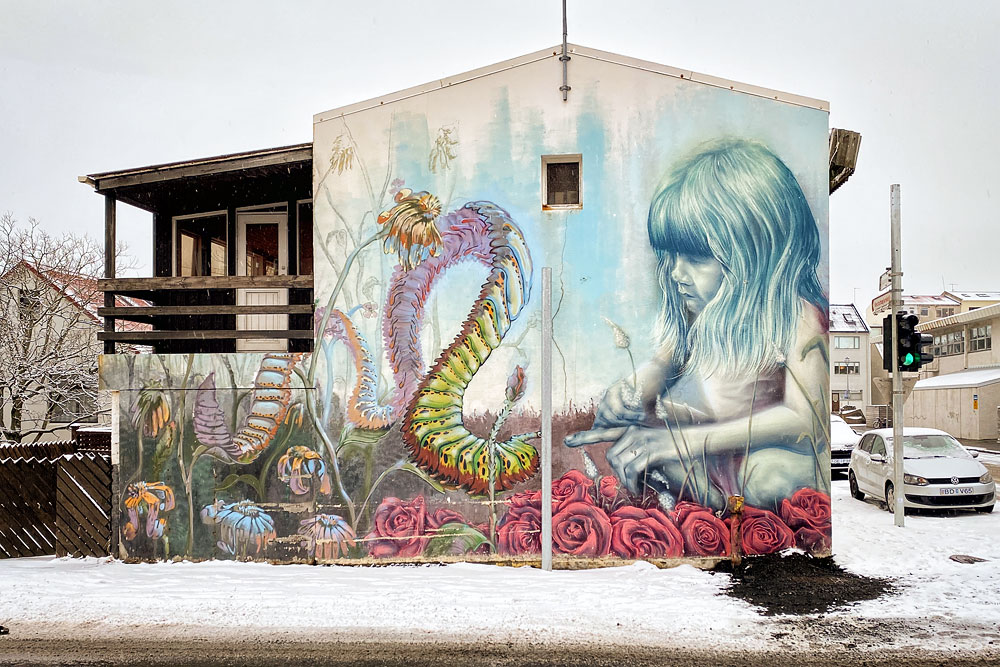
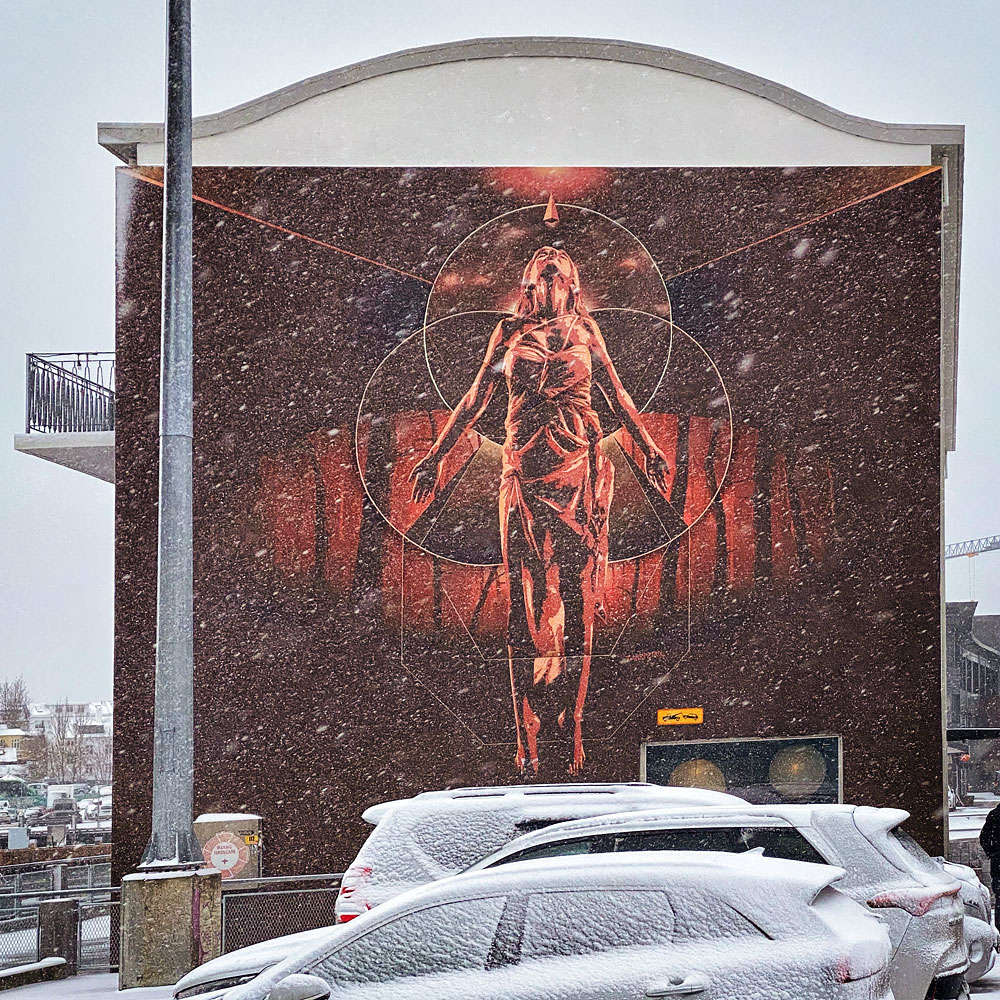
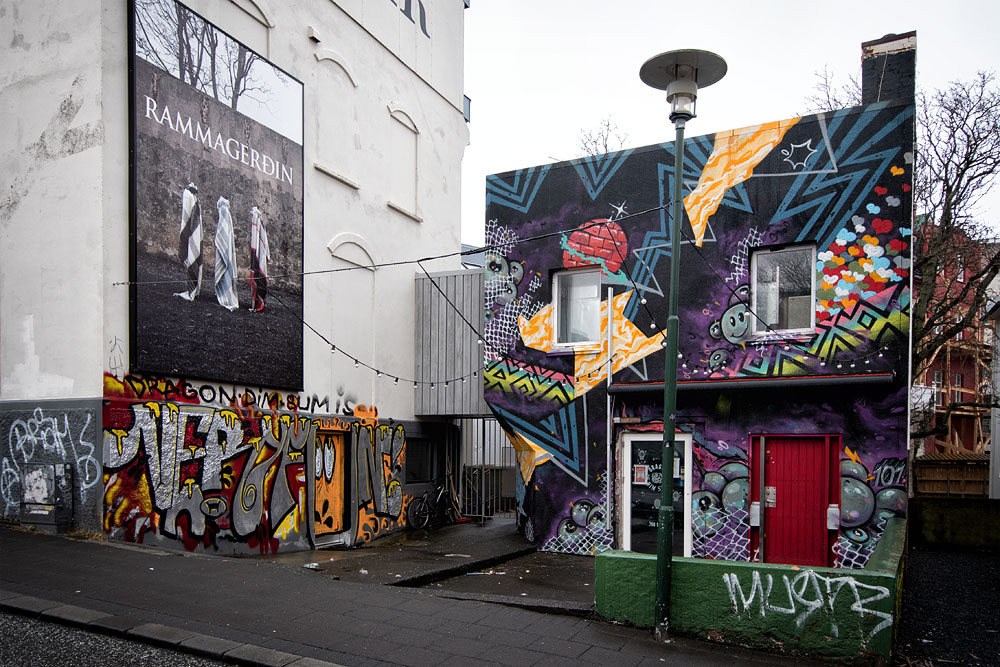
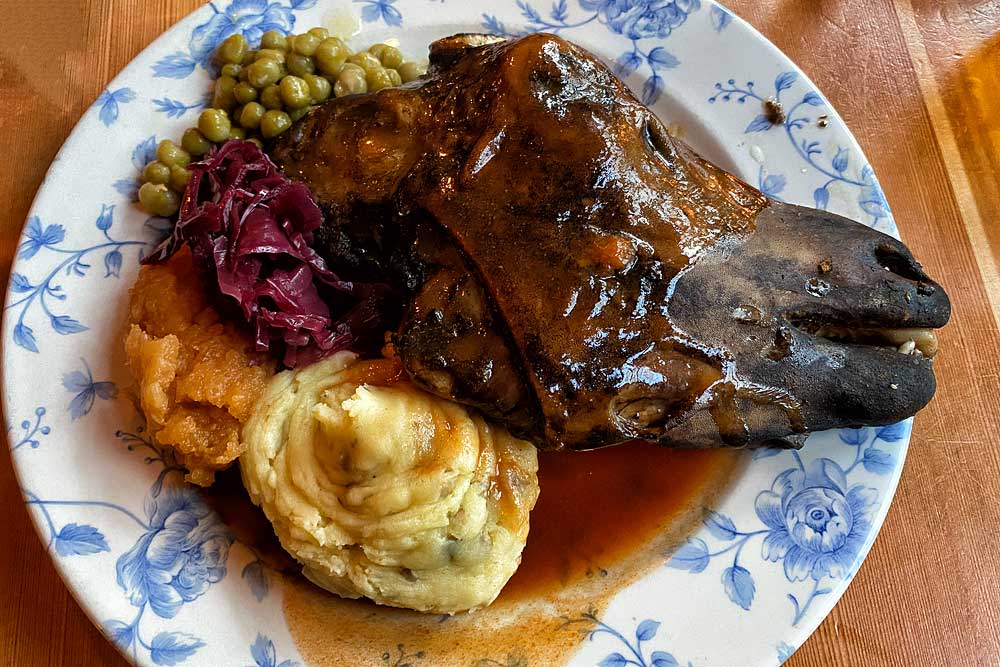
#2 A taste of local food
Local Icelandic cuisine is a big theme on its own and very much worth while not only for the “foodies”. Modern Icelandic food is exquisite seafood and lamb, but it’s the traditional dishes, that’ll take you for an amazing adventure. Not all of it truly tasty, at least not to the popular taste, but many of these dishes are Iceland’s specialty and they’re worth trying even if only because you won’t find them anywhere else on Earth…
You’ll find a short selection of recommended dishes and restaurants further down in this article, while a much more in-depth view is in a separate post: Restaurants and local delicacies of Iceland.
But again, if you’d rather join a tour and be guided by a local, here’s some options for you:
- Food Lovers Tour (strongly focused on the traditional Icelandic food);
- Reykjavík Food Walk (for more generally interesting, yet modern food);
- The Sweet Tooth Tour (as the name implies – candies, chocolate, ice cream and such);
- Cook and Dine experience (a cooking class, tasting session and gourmet lunch / dinner in one);


#3 The iconic Hallgrim’s church
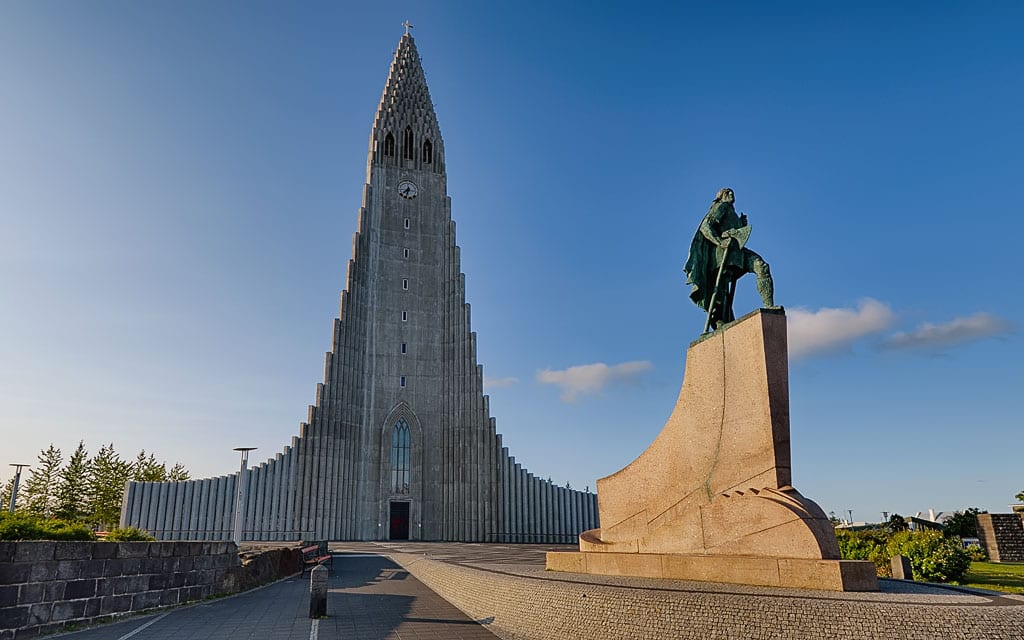
Hallgrimskirkja
You can visit the church for free almost anytime, but if you want to take the elevator to the tower top floor than that’s a paid attraction (definitely worth it!).
If you’re lucky, you walk in on a pipe organ concert or see the church’s facade light up in all shapes and colors for the Winter Lights Festival.
Read more about this church in our separate guide on it: Hallgrimskirkja – a modernist church in Reykjavik.
#4 A warm bath in the Nautholsvik lagoon

Nautholsvik
In winter time you might be better off visiting the new, classy and popular Sky Lagoon, on the other bank of the bay, but if you want the true Icelandic experience – this is the place to go.
For more about that and other pools in Reykjavik, go to this article: Hot pools in Reykjavik.
#5 Visiting the Arbaer open-air museum
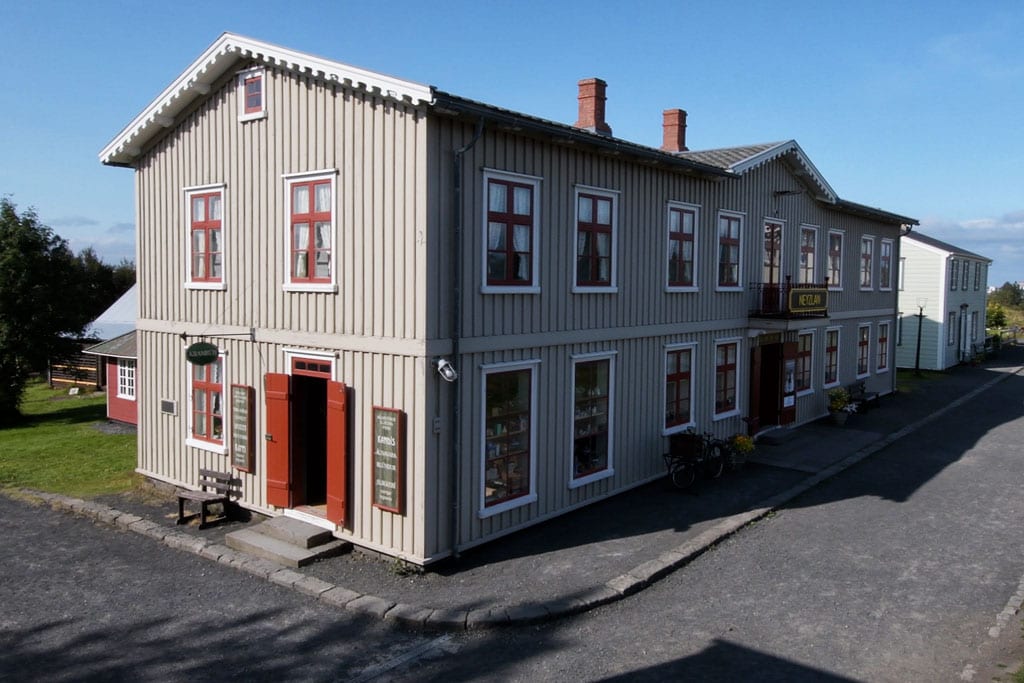
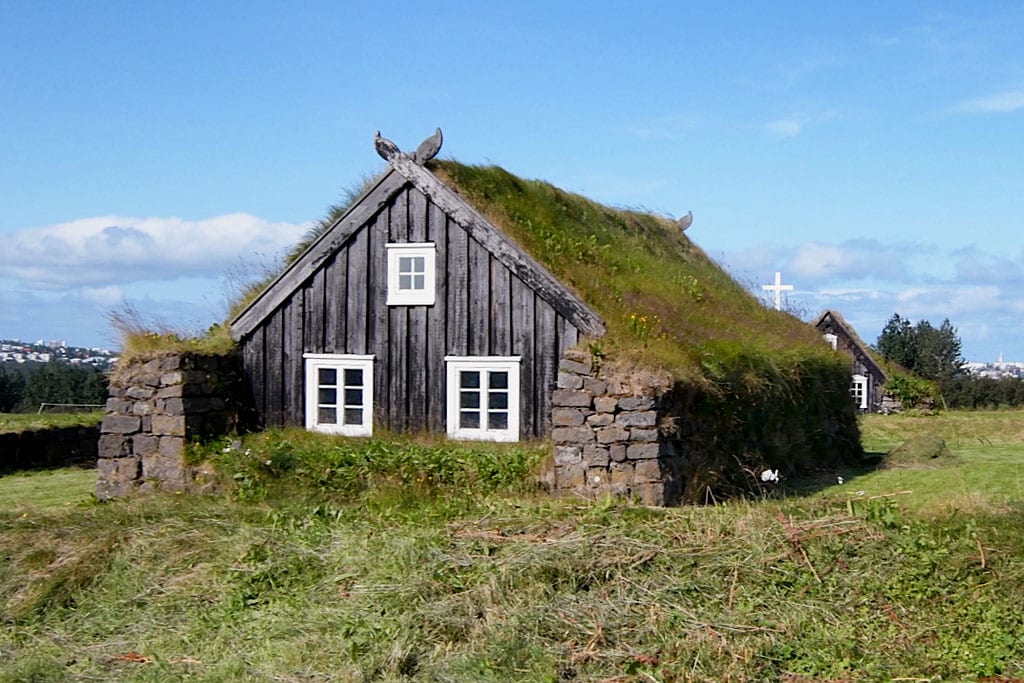
Árbæjarsafn (English: Arbaer Open Air Museum; literally: the Arbaer collection) is an open-air museum located in Reykjavik’s suburbs that showcases everyday life of 19th and 20th century Icelanders. Read more about it in this article Museums to see in Reykjavik.
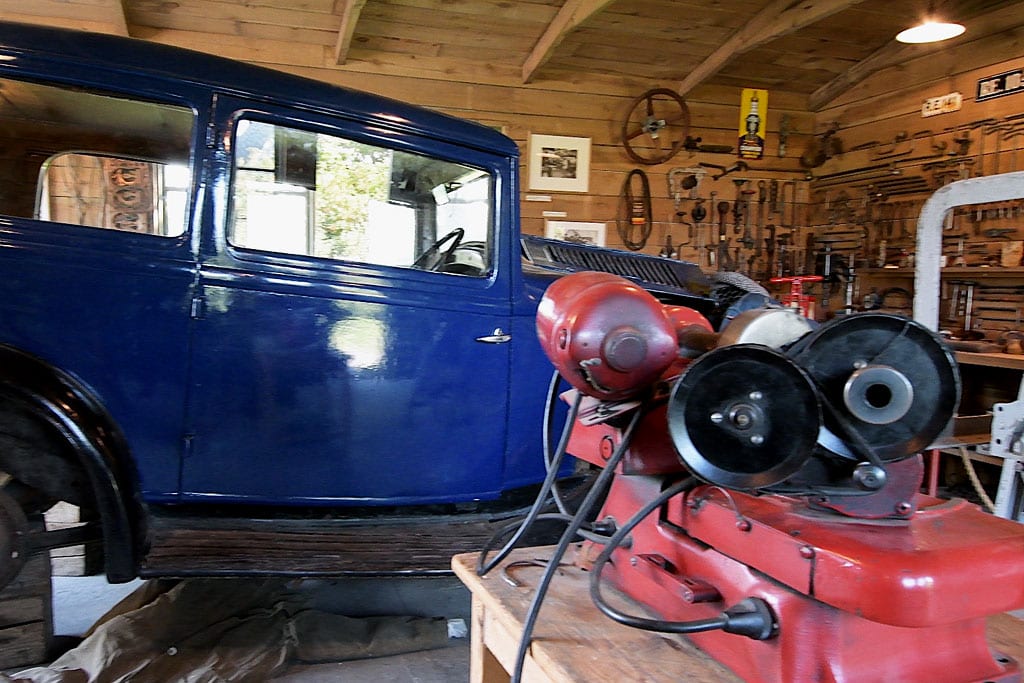
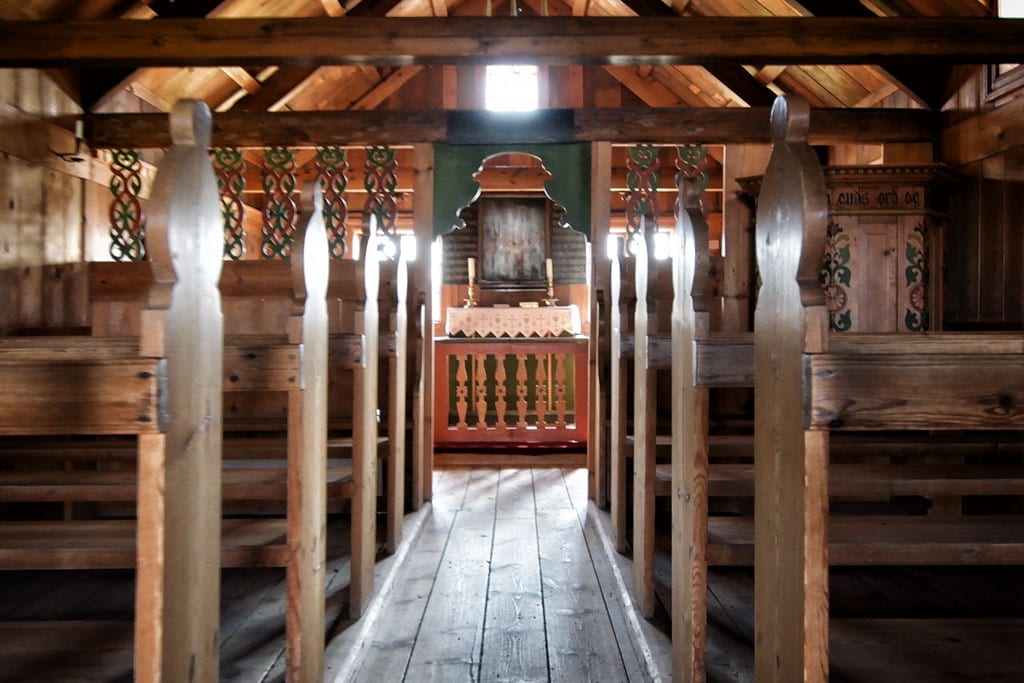
It is very much worth visiting if you’re interested in country’s history and native culture. An original turf roofed church that has been moved here is one of the highlights and a 19th century gas station is another.
#6 A visit to the Perlan museum
Perlan stands out for its architecture alone. The building sits on top of six district heating tanks that together hold 24 million liters (about 6 million gallons) of geothermal water; at night floodlights make the whole structure visible from far across the city. It was designed by Ingimundur Sveinsson and opened in 1991.
Inside there are several genuinely good exhibitions on Iceland’s geology and on the life that clings to it. The Water in Icelandic Nature exhibition and the man-made glacier ice cave are the highlights, and there is a planetarium as well. Read more about it here: Perlan – Iceland interactive.
Recommended walk around Reykjavik (2.5 h)
As I have already mentioned, Reykjavik is not a big city and most of its attractions can be included in a very nice walk, not a very long one at that. The two most distant places on this route are a bit more than 2 km (1.2 mi) apart in a straight line. The walk itself will obviously be somewhat longer than that, but still rather short – approx. 7 km (4.5 mi), so even at a moderate pace, it can be done in 2-2.5 hours (stops not included).
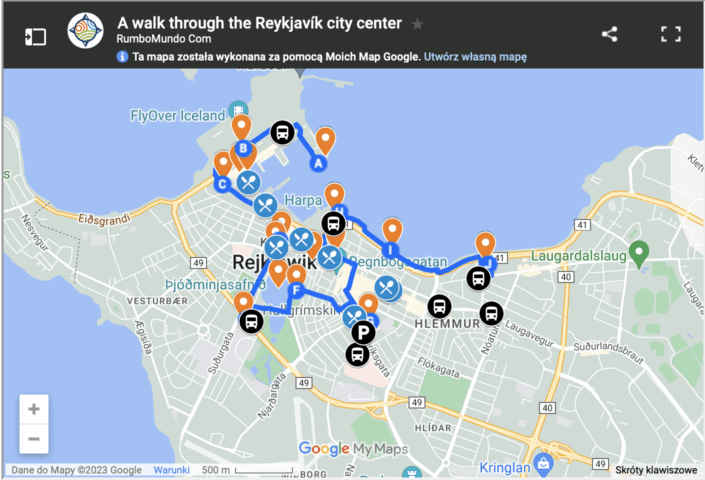
Map: A walk through Reykjavik (about 2.5 h)
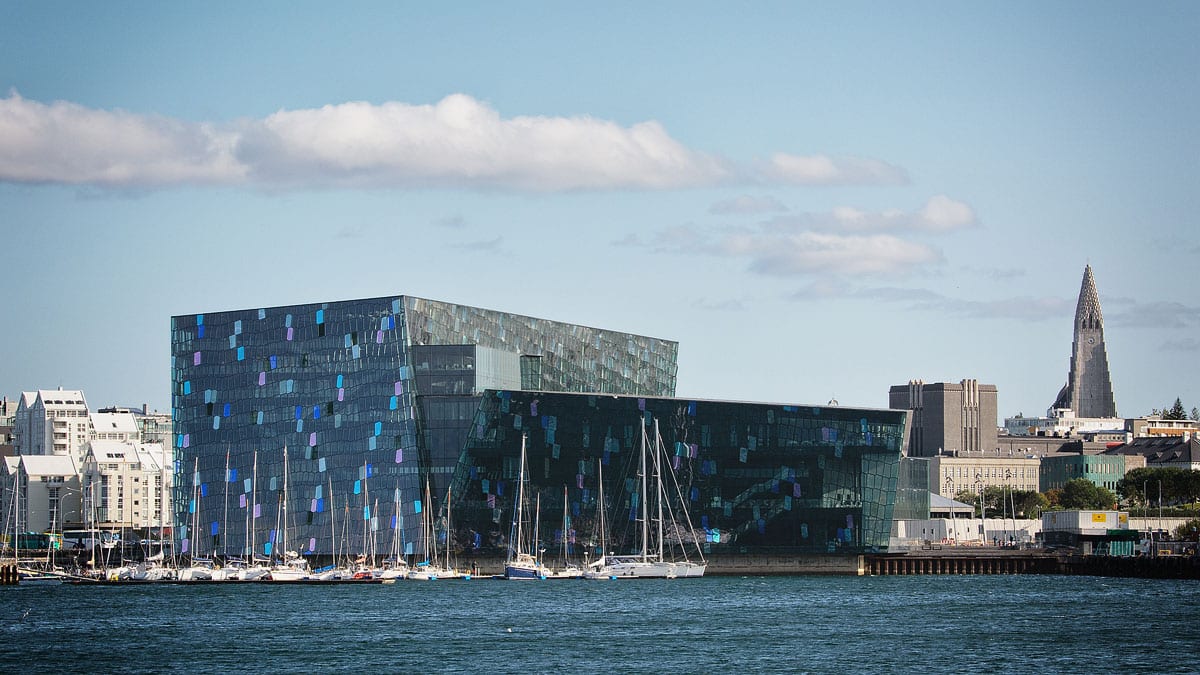
A view of Reykjavik from the docks
From here, we set off toward the city center. Walking through the docks we can stop at one of many small restaurants and cafes.
On the way we can visit the Whales of Iceland exhibition (B), the Maritime Museum or the Saga Museum (C). Continuing along the embankment, we turn southeast and we can grab a bite to eat at one of Reykjavik’s iconic places: fish and chips from the Fish and Chips Vagninn food stall or langoustine soup (aka lobster soup) at a port restaurant called Seabaron (Icelandic: Saegreifinn).
Walking further along the embankment we can see Iceland’s concert hall Harpa (H), visible clearly from afar.
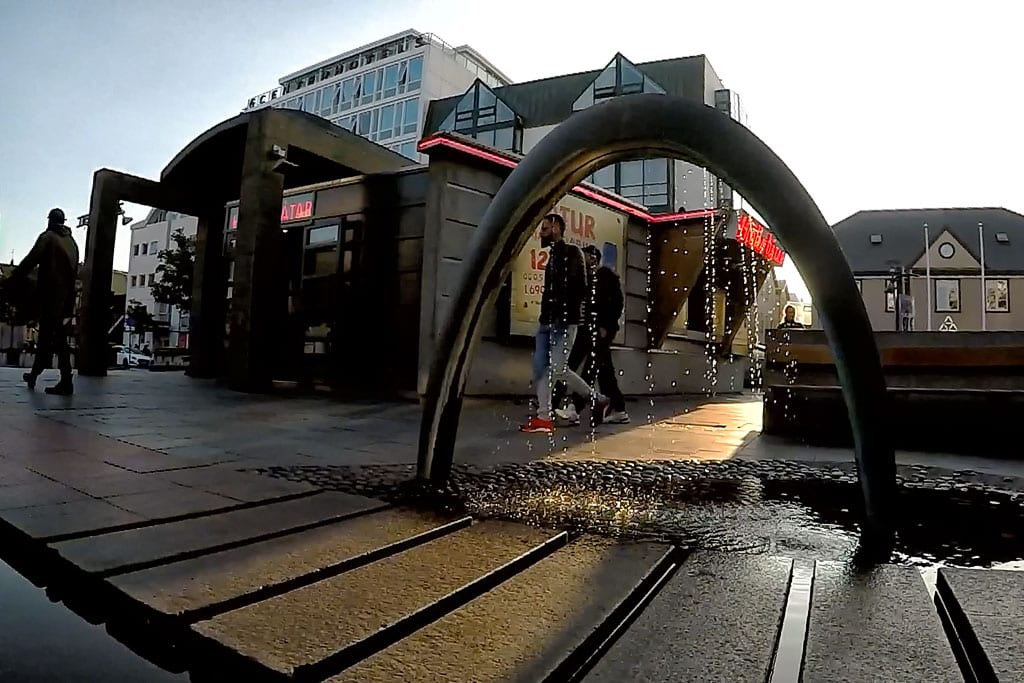
Ingolfstorg square
Leave the square and go south. Pass what is probably the best fish restaurant in town, Fiskmarkaðurinn (rather expensive) and the Settlement Exhibition created by the Reykjavik City Museum (Icelandic: Landnámssýningin). On the left there is the modern City Hall building (Ráðhús Reykjavíkur) and, set slightly back, the Icelandic Parliament House – Alþingishúsið.
On the left, a bit back, at the entrance to the footbridge leading up to the Ráðhús, we can admire an interesting statue – Monument to the Unknown Bureaucrat. It is a charming sculpture that can be understood in many ways.
And thus we have reached the city pond – Reykjavikurtjörn, usually abbreviated to just Tjörn or Tjörnin. It offers yet another lovely vista of Reykjavik, especially when it is already dusk and the buildings on the other side have been illuminated. If you want, you can continue a short distance to the south and beyond a large crossing, you will find the National Museum (E). Meanwhile we are taking a turn east and we cross the pond, along the levee (Skothusvegur) and then we turn left, toward the north, circling back toward Harpa. Walking along the pond we pass (or visit) the National Gallery (F).
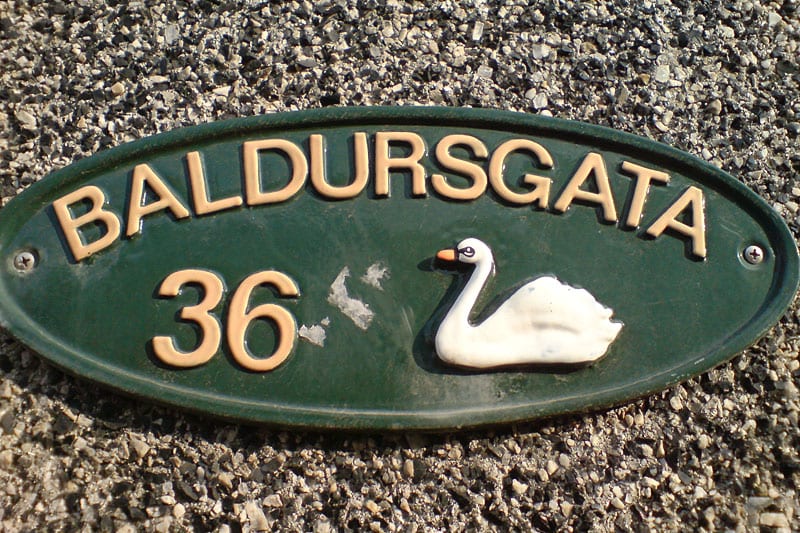
Baldursgata 36
Fans of computer games will surely smile with delight seeing the name of one of the little streets we pass – Baldursgata, meaning no more, no less but Baldur’s Gate 🙂
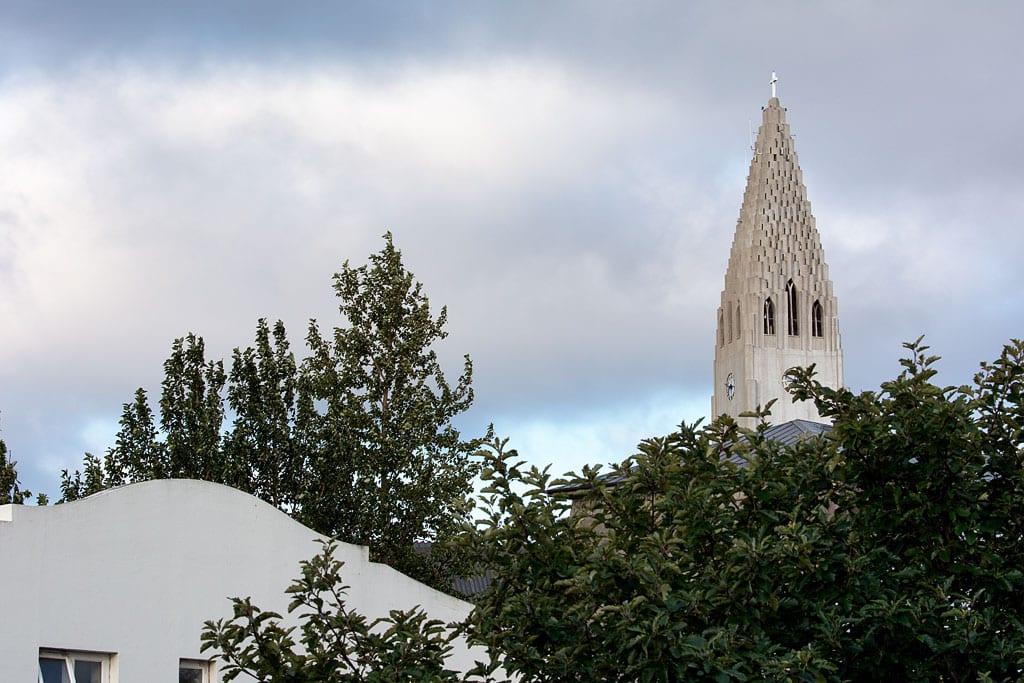 Hallgrimskirkja (G) will loom above the rest of the buildings so we can’t miss it. After we have seen the church, or maybe even got up on its tower, we can rest a bit at Cafe Loki at the square in front of the church and treat ourselves to the traditional fermented (pickled?) shark snack with a shot of Icelandic schnapps. The taste is absolutely unforgettable, but bear in mind that the bistro serves other local dishes as well.
Once you’ve built your appreciation for local cuisine let’s go back toward Harpa. Take the main street in front of Hallgrimskirkja – the Skolavordustigur – and walk down all the way until it ends in a small square. Turn left here into the Bankastraeti street. On the crossing street – Ingolfsstraeti – and a bit to the right you’ll find the Islenski barinn restaurant, which offers the best, and rather reasonably priced for this country, selection of traditional Icelandic dishes.
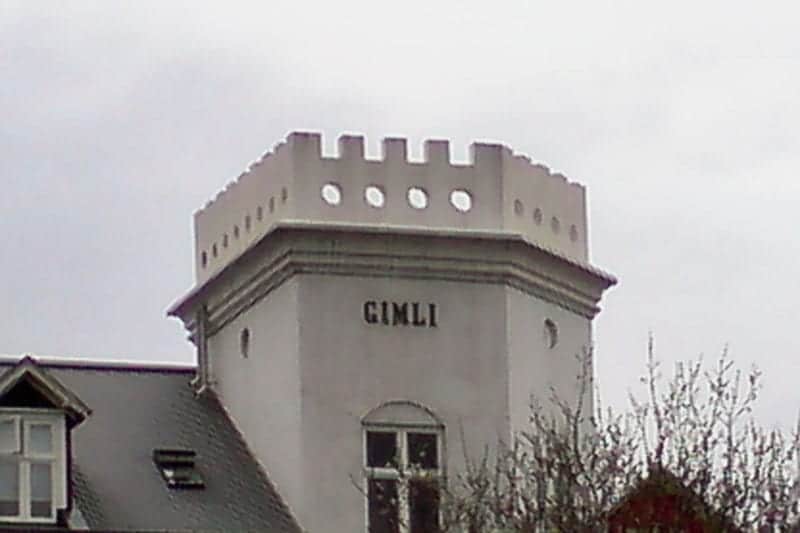
The Gimli House
From here on we go toward Harpa (H) and take a look inside it.
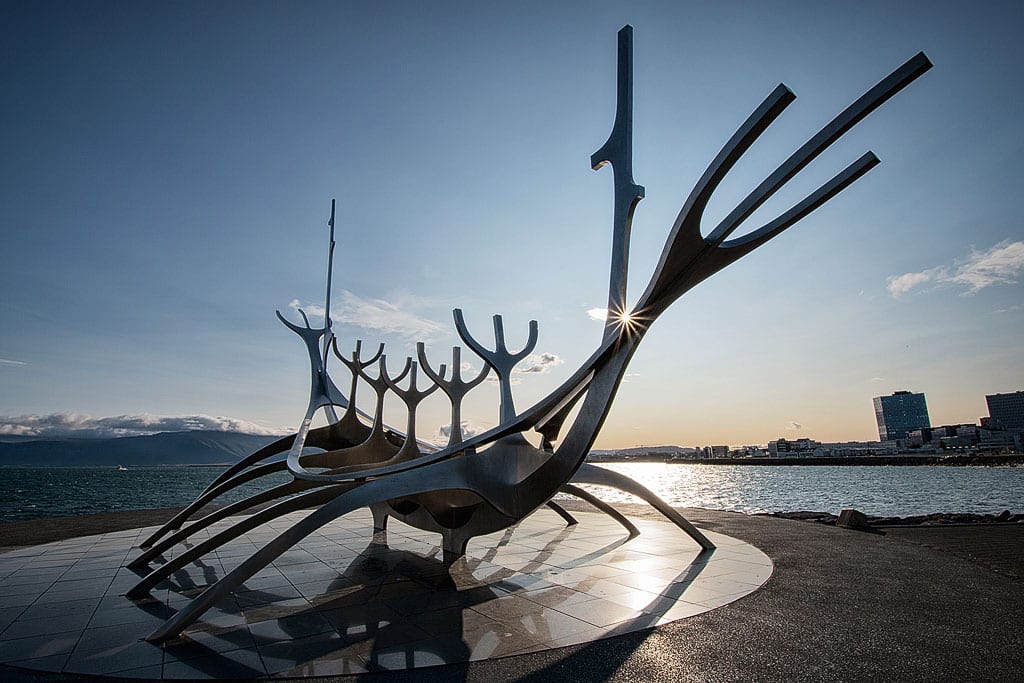
Sun Voyager
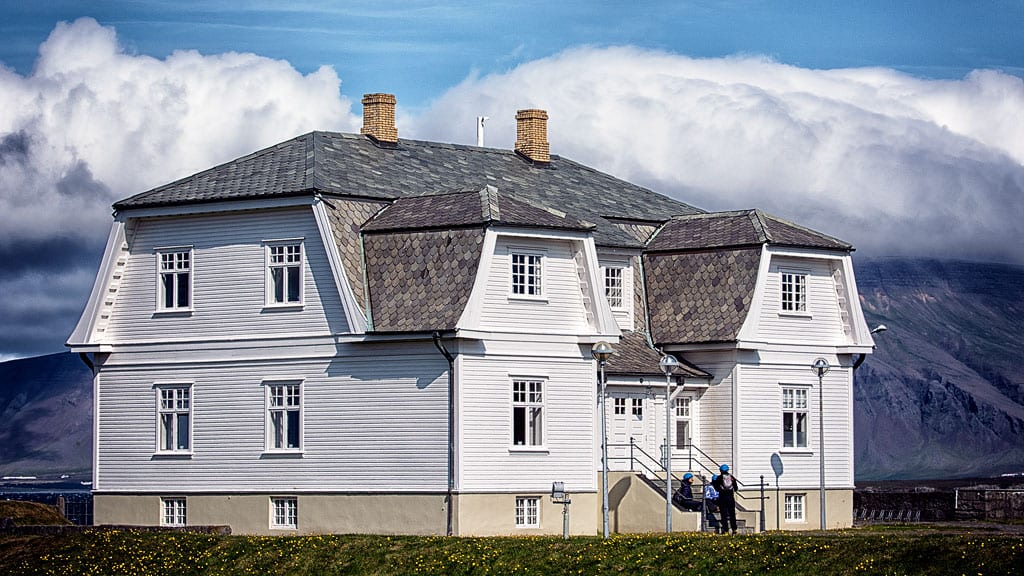
Hofdi House
How much time to spend in Reykjavik
Reykjavik is a fairly small city. Its population is just under 140,000, about two thirds the size of Des Moines, and most of its important landmarks are situated within a half-mile radius. You can easily walk it in one, one and a half hours.
Obviously we may want to visit some of the interesting places, go inside buildings, see exhibitions and so on. With that in mind, half a day is surely enough to see all the major places of interest. And if you have a day (or one evening and the following day) you have got the time to see it all – absolutely everything that is worth seeing in Reykjavik 🙂
Seeing the city is a good way to “warm up” and get somewhat accustomed to Icelandic conditions. I also recommend that you spend the last 1-2 days in southwest Iceland, just to be on the safe side in case the weather gets really bad or you have some other problems or there is an eruption, which does happen once in a while… So if you don’t manage to see something at the start of your trip, this way you can go back to Reykjavik and still make sure you have seen all you wanted to see before you leave.
To me, it does not make sense to devote too much time to Reykjavik itself. But how much time is too much? Well, it all depends to what extent you are into modern art, science exhibitions and on one more logistical detail, namely at what time you land in here.
Sightseeing in Reykjavik after a morning flight
If you land in the morning/before noon, just take the rest of the day to see the city and leave the next day. If you do this, it is best to collect your car at the airport. Usually, there is an extra charge for it, but a bus fare from the airport into the city costs about $35 (3,999 ISK) per person anyway (for details, see this article Keflavik International Airport). Apart from that it takes less time to collect your car at the airport than it does at car hire ‘depots’ in the city, plus you don’t need to waste any more time before you set off the next day.
And do not worry if you don’t manage to see everything during this half-day. You can easily be back here for the final day of your trip. And believe me, Reykjavik’s attractions pale (even more) after you have seen the whole island. So you don’t need to book too much time here when you begin your Icelandic experience.
Sightseeing in Reykjavik after an afternoon/evening flight
If you come on an evening or afternoon flight, it may be best to take the bus into the city (these buses are really comfy), book two nights in Reykjavik, which gives you the evening and the next day for sightseeing and you can set off after the second night. This way you will have experienced everything worth seeing in Reykjavik, plus you will be acclimatized and it saves you 1 or 2 days worth of car rental fees.
Read more about how best to get from the airport into the city in this article Keflavik Airport. The cheapest way is to take the long-distance city bus (route 55). Another good idea is to hire a car and collect it right after you land. While the differences in prices between shuttle buses and taxis require more consideration, for which I recommend the above-mentioned detailed article.
What, and where, to eat while in Reykjavik
Traditional Icelandic dishes and the intricacies of the local cuisine are a separate, broad topic. Read all about it here: Iceland’s restaurants and local delicacies.
It is a truly fascinating, albeit sometimes demanding, topic and even though you probably don’t expect that “the island of ice and fire” will offer you something unique in the culinary department, these food-related memories may actually be the most lasting ones…
Local delicacies
If you fancy local, often peculiar (or frankly, gross) snacks and foods, here are the places I recommend:
- Islenski Barinn (Ingolfsstraeti 1a)
This place offers probably the widest selection of traditional Icelandic dishes at moderate (mind you, for Iceland!) prices. Dried fish, a puffin starter, whale steak, lamb hot dogs, lamb head or horse meat burger are just some of the items on the menu here (these are less controversial or vegetarian choices as well); a main course runs about $35-50 (4,150-5,850 ISK). - Café Loki (Lokastigur 28)
It is a cozy, smallish bistro across the square from Hallgrimskirkja; it serves, among other dishes, the traditional Icelandic fermented shark, which – believe me – may be something you will remember for the rest of your life 😀 😉 Pickled shark + a shot of Brennivin costs about $24 (2,900 ISK).

Hakarl at Cafe Loki
Affordable and tasty
For those of you who want to eat something delicious, but affordable I recommend one of these iconic places:
- Fish and Chips Vagninn (embankment and the end of Hlesgata)
a street-food truck with fried cod and chips; delicious and cheapest lunch, but don’t forget you are in Iceland, so a cheap portion of fish and chips will still set you back about $14; - Seabaron (Geirsgata 4a)
this place also offers seafood, nothing elaborate, but really tasty and good value for money; the famous lobster soup is again about $14; - Bæjarins Beztu Pylsur (Tryggvagata 1)
It literally means “Best hot-dogs in town”. As the name suggests, it is a hot-dog stand in a small square on the corner of Tryggvagata and Steinbryggja; you may be surprised, but for many tourists here hot-dogs are a big part of their diet. And they say this place serves the best ones… One hot-dog costs about $4-5 (standard Icelandic price). - Matholls (food courts / food halls)The latest ‘thing’ on the Icelandic food scene is the matholls – street food halls buzzing with a lively atmosphere and offering a wide selection of dishes from around the world. It’s not necessarily anything traditional for Iceland, but it’s definitely in top fashion now. Matholls are mostly found in Reykjavik, but they do pop up in other places as well. Head to Posthus or Grandi Matholl to enjoy the latest in Iceland food trends.

inside Matholl Hofda

Cod and chips from Fish and Chips Vagninn

Again: we’re giving a lot more details about the individual interesting dishes and the places where to find them in a separate post: Top things to EAT in Iceland (and where to find them).
Icelandic haute cuisine
For those who can afford to splurge a bit and want to try something really exquisite and enjoy their meal in elegant setting, I recommend the following places:
- Fiskmarkaðurinn (Adalstraeti 12)
a great, albeit markedly more pricey, fish and sushi restaurant; fish main courses run about $65-100 (7,890-11,990 ISK), starters start at about $13 (1,590 ISK) and the six-course tasting menu is about $140 (16,900 ISK) per person; - Hereford (Laugavegur 53b, upstairs, stairs outside of the building)
a modern restaurant specialized in both modern and traditional meat dishes; the Icelandic menu, built around minke whale, is about $80 (9,500 ISK) per person, beef tenderloin runs about $50-90 (5,950-10,950 ISK) depending on the cut, and grilled puffin breast is about $60 (6,950 ISK); - Dill (Laugavegur 59, upstairs, above a Bonus store)
one of Iceland’s three Michelin-starred restaurants. As usually with such places, you can’t order a single dish from the menu – there is one tasting menu, about $330 (39,900 ISK) per person, with drink pairings from about $115 (13,900 ISK);

Icelandic seafood
Menu prices checked on the restaurants’ own websites on September 7, 2026: Íslenski Barinn, Kaffi Loki, Fiskmarkaðurinn, Hereford, Dill.
Additional attractions for families with kids
If you came to Iceland with kids, surely you want to give them a good mix of fun and learning. One must have fun in life, and Iceland provides you with a great opportunity to supplement classroom knowledge with authentic animate and inanimate nature experience. A trip to Iceland can be the best geography or biology lesson in their lives…
I visited Reykjavik with my family, and my daughter liked the following places, while I believe that she learned a great deal there, too:
- Perlan
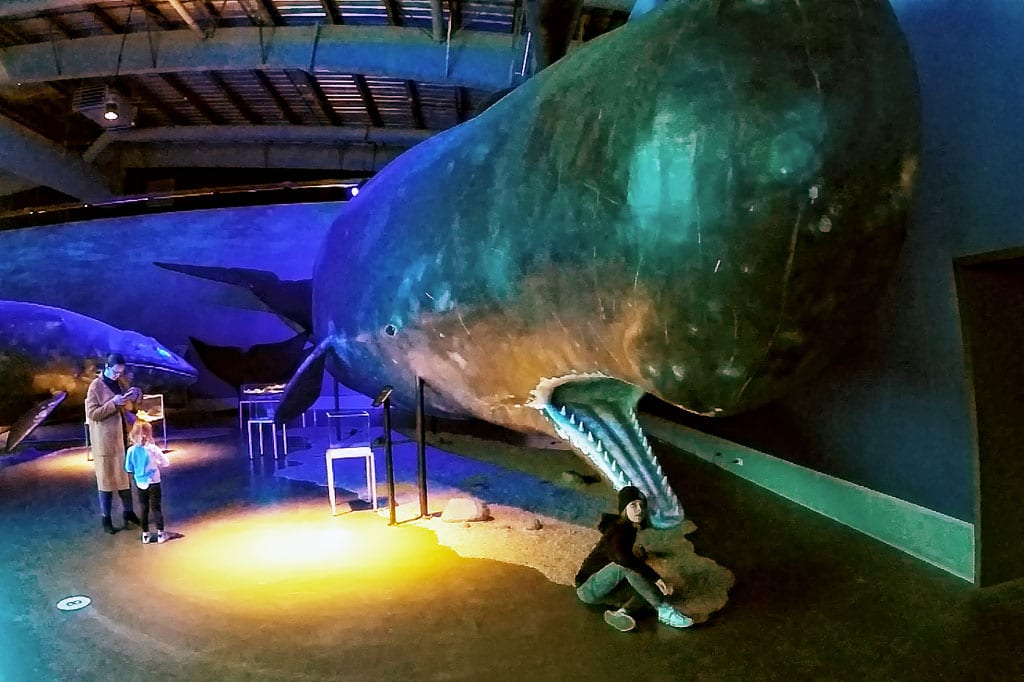
a multimedia, popular-science exhibition about Iceland; a bit south from the city center but still rather close. What’s special here is definitely the Water in Icelandic Nature exhibition and the ice cave; book your tickets here: Perlan Museum Wonders of Iceland Entrance Ticket. - Whales of IcelandWhales of Iceland comprises just models of whales but they are really impressive. Even if you go whale watching and manage to see one in nature, you will definitely not see the whole animal and not up close. These models are made of plastic but they are life-size so to me, they represent a great learning opportunity for kids; tickets: Whales of Iceland Museum Admission.
The Whales of Iceland exhibition
- Zoo
Húsdýragarðurinn Zoo & Park is a mix between an amusement park and a zoo. The good thing about it is that you can see a lot of animal species that live in Iceland but are difficult to spot (like reindeer, fox, seal or weasel…); - Arbaer
This open-air museum is worth visiting whether you are with kids or not; but especially for kids it has real value to be able to see a wealthy and poor 19th century home one next to the other; similarly, it is interesting to see an authentic 19th century gas station; the whole visit is a pleasant walk, too; - Saga Museum
Nominally a museum, but in practical terms the Saga Museum is more of a historical exhibition, a little bit Madame Tussauds meets Vikings. It showcases tales and legends that Iceland’s mythology draws from. If your kids like history it is worth a visit. As a bonus you can take a selfie in Viking clothing, accompanied by a white bear… 😮 - Laugardalslaug pool
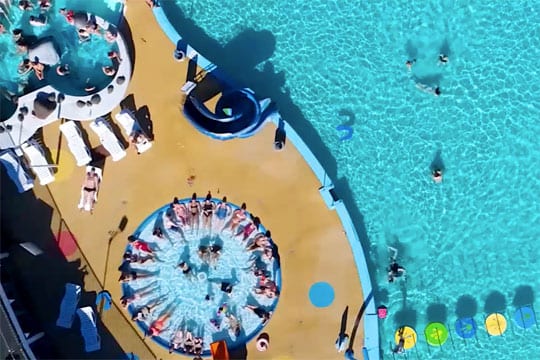
A city water park with warm pools, slides and kids’ area. It may not be terribly educational but if you want your kids to love Reykjavik or give you a break – it is totally a good idea to come here.
Museums
Reykjavik has quite a lot of museums (given its size), but let’s be honest: these are not world-class places. Suffice it to say, the collection of Iceland’s National Museum comprises about 2,000 items, while the American Museum of Natural History in New York holds over 33,000,000 exhibits. Iceland is lovely, but not too large…
You will find interesting exhibits in the Settlement Exhibition and the Reykjavik Maritime Museum. Another curious, and rather unusual, collection can be admired in the Icelandic Phallological Museum.
Read all you need to know about Reykjavik’s interesting museums in this article: Reykjavik museums that are worth visiting.
Exhibitions
Reykjavik has a number of good exhibitions to offer. Some are devoted to Icelandic nature (Whales of Iceland, Perlan), while others depict the country’s history (Saga Museum). But you can also see art shows – mostly modern art exhibitions.
Among others, Reykjavík Art Museum and the National Gallery of Iceland hold interesting collections. I describe all these exhibitions in detail in this article Reykjavik exhibitions worth visiting.
Hot pools and swimming pools
Iceland is famous not only for its spectacular northern lights but also for its vibrant “pool life”. One can clearly see that swimming in warm water is a national sport here. If you like to swim, you absolutely must go to one of Reykjavik city pools, where you can enjoy your favorite pastime, while fully blending in and immersing yourself in local color.
You can find here both typical urban pools and more natural ones. The most famous one is called Blue Lagoon, however it is about 40 km (25 mi) out of Reykjavik, which means at least a half-day trip. Find out more about Blue Lagoon here: Blue Lagoon – Iceland’s most famous geothermal SPA. Many other Reykjavik city pools are described in more detail here: Hot pools of Reykjavik – so you can learn more before you decide.
Let me just mention three most unique places:
- Laugardalslaug
It is the largest geothermal sauna and pool facility in the city, comprising a few hot outdoor pools, slides, a playground, jacuzzi etc. It can get a bit crowded, but not on account of tourists, mind you. It is a beloved place to relax for local people, who come here with families; you can enjoy free entry with the Reykjavík City Card; - Nautholsvik Geothermal Beach
A unique – even for Iceland – place on the very ocean shore, boasting a beautiful sandy beach and a cove where geothermal water mixes with the freezing-cold ocean, forming a small hot pool. It is a great introduction to other outdoor soaking experiences on your trip. - Sky Lagoon
opened in 2021 Sky Lagoon became an instant success. It’s a full size SPA, with their own special “7-step ritual” to reinvigorate your body and soul. Beautifully designed, set in between dark walls of lava rock, it looks magnificent and lets you enjoy all the comforts of a luxury SPA with a magnificent view to the ocean. Yet it’s still inside Reykjavik city, so super easily available. It is a great complement to the older and much better known Blue Lagoon. Read more about Sky Lagoon here: Reykjavik Sky Lagoon.
Whale watching and sea angling cruises
Iceland may be the best place in Europe for whale watching. Those who have done it often claim it has been as exciting as seeing the northern lights, swimming in geothermal pools and hiking on glaciers.
If you like active vacations and new thrilling experiences, you will surely love a whale watching cruise. I must warn you though, that it gets really freezing on these cruises and a whale’s breath smells… well… really strong. 🙂
The best way to spot the largest whales of Iceland is the northern town of Husavik. However, whale watching cruises set off from Reykjavik, too, and even though in these waters one can expect to see smaller species (killer whales or minke whales), it is surely a great trip.
Whale watching cruises are a huge topic, so I have devoted it a separate article: Whale watching cruises.
However, if you want to see the specific options available from Reykjavik, here’s a top selection:
- Whale watching tour (3h, 14,490 ISK / about $120);
- Premium whale watching trip (2h, but on a speed boat, with much better chances of seeing the whale up close; 24,900 ISK / about $210);
- Reykjavík’s Finest Catch (3h, 21,064 ISK / about $175; the crew barbecues your own catch on the way back);
- Sea Fishing from Reykjavik (2.5h, about $105);
- Sea Angling Gourmet Experience (3h, about $120);