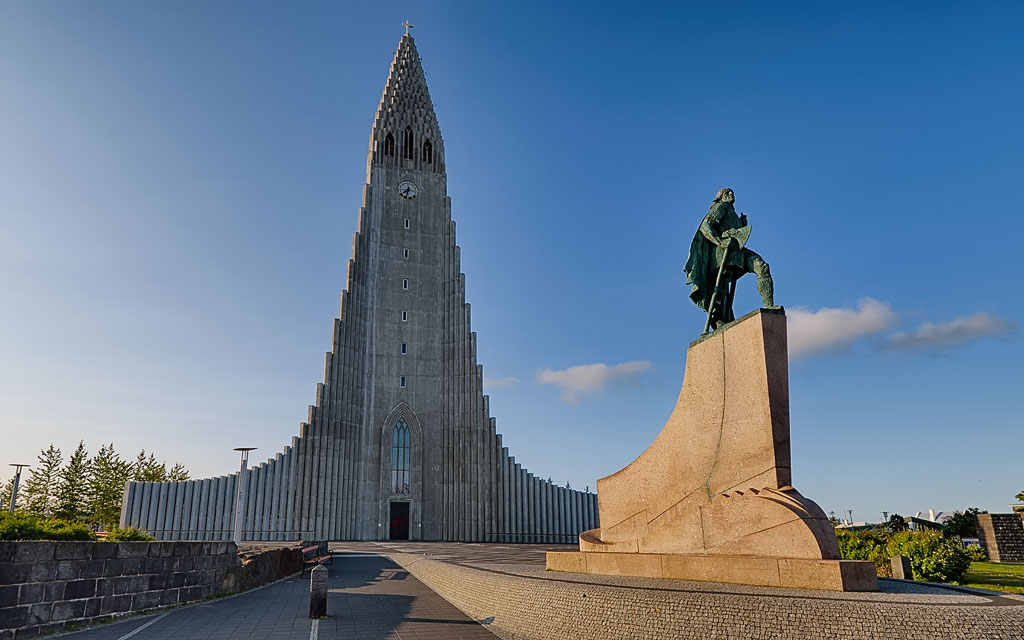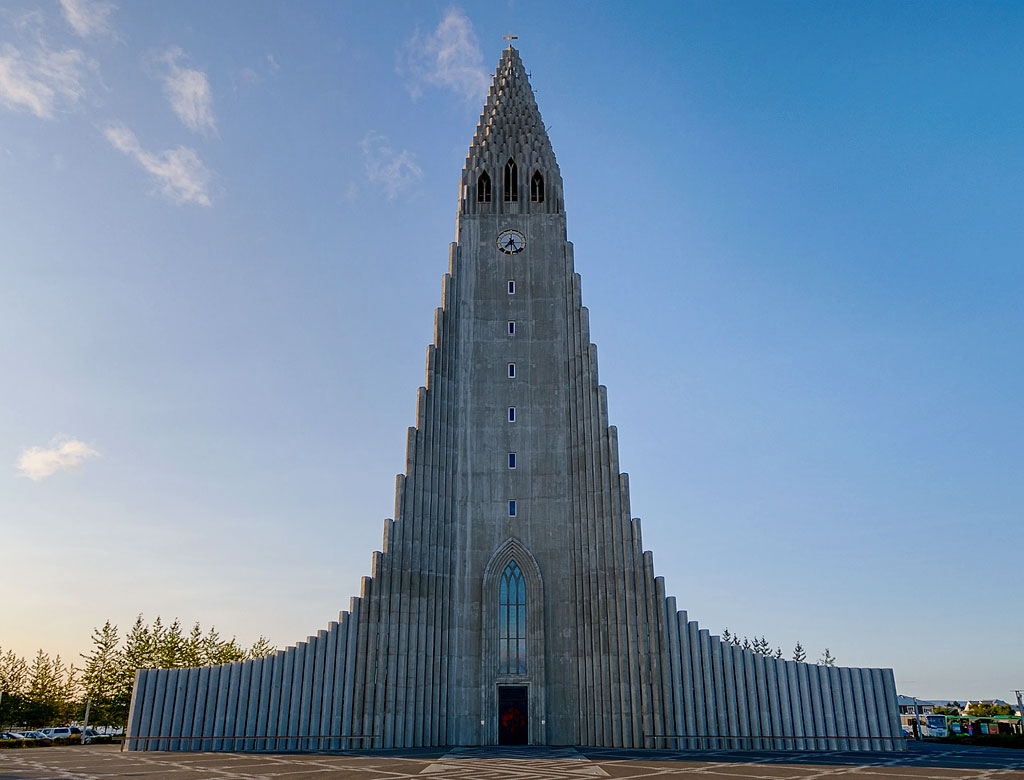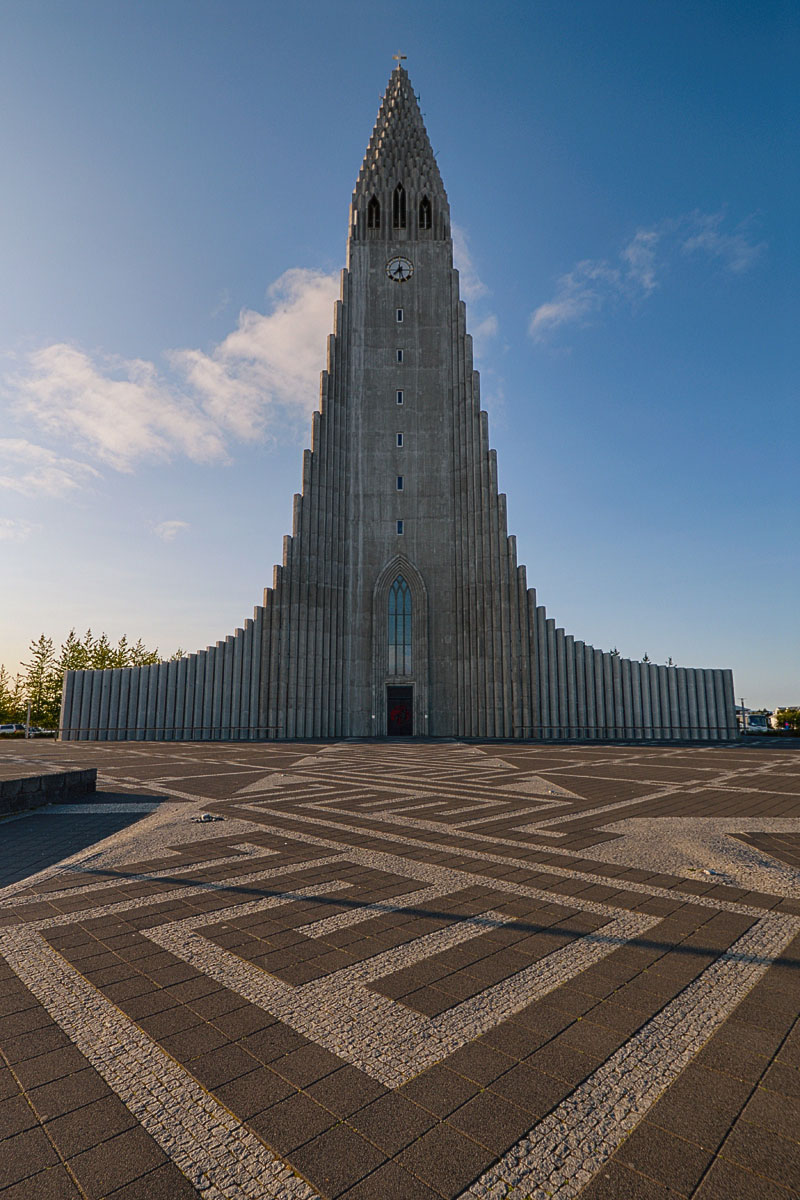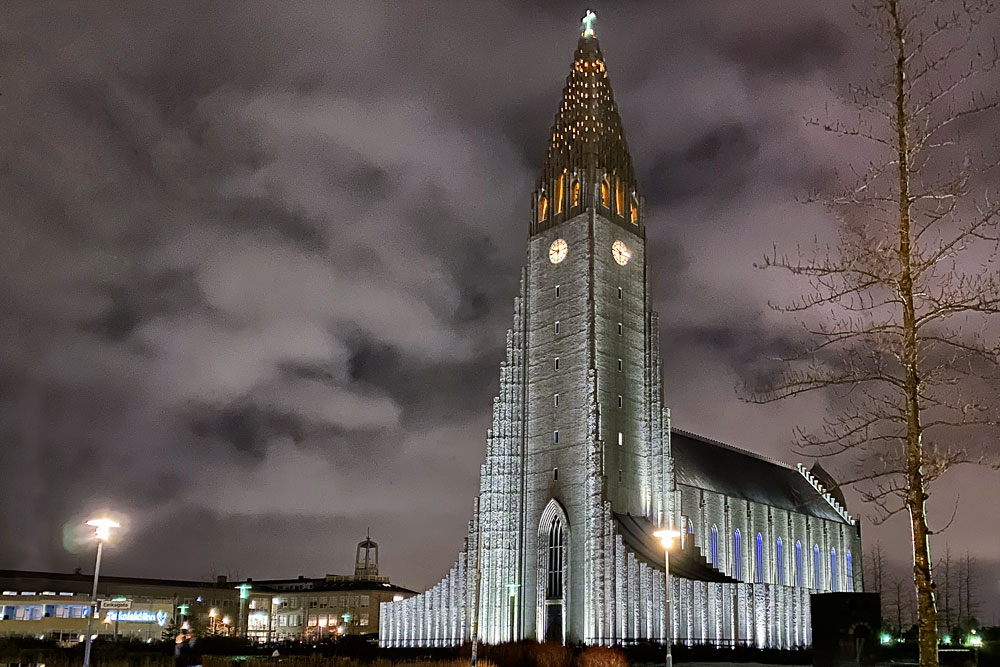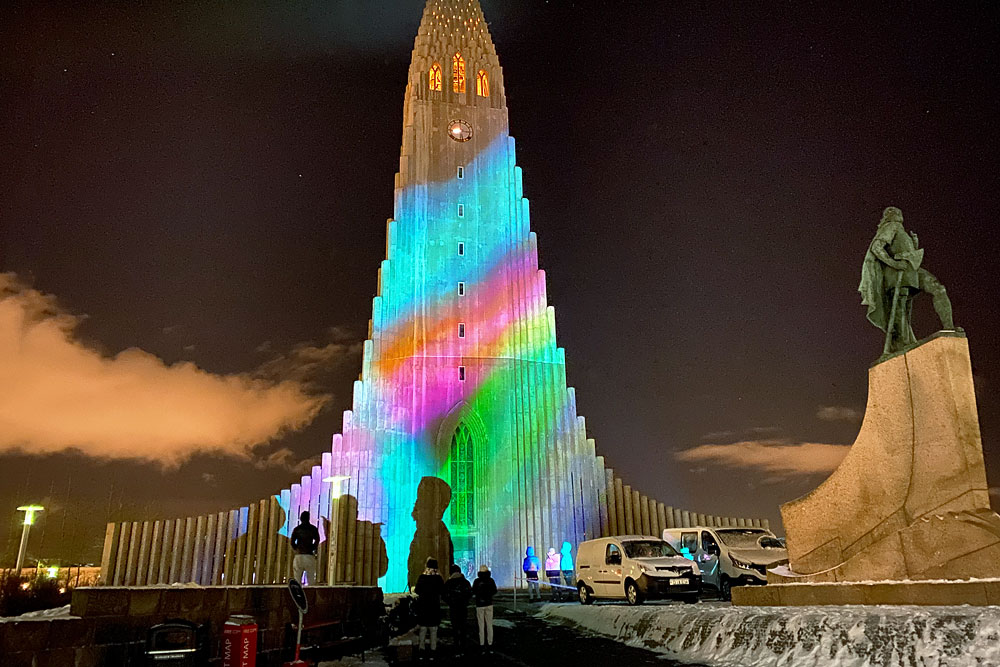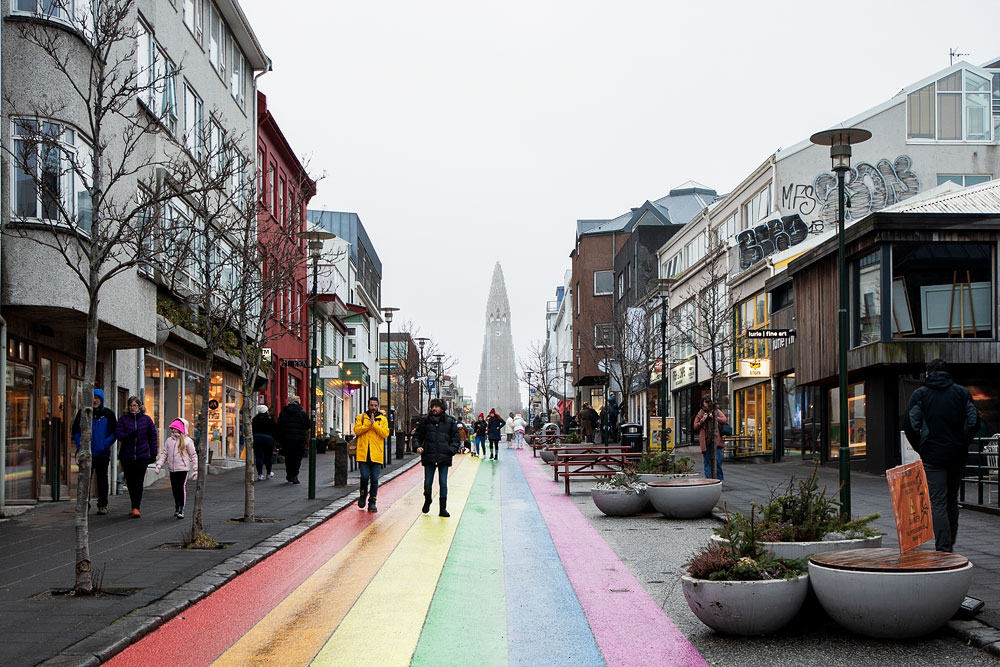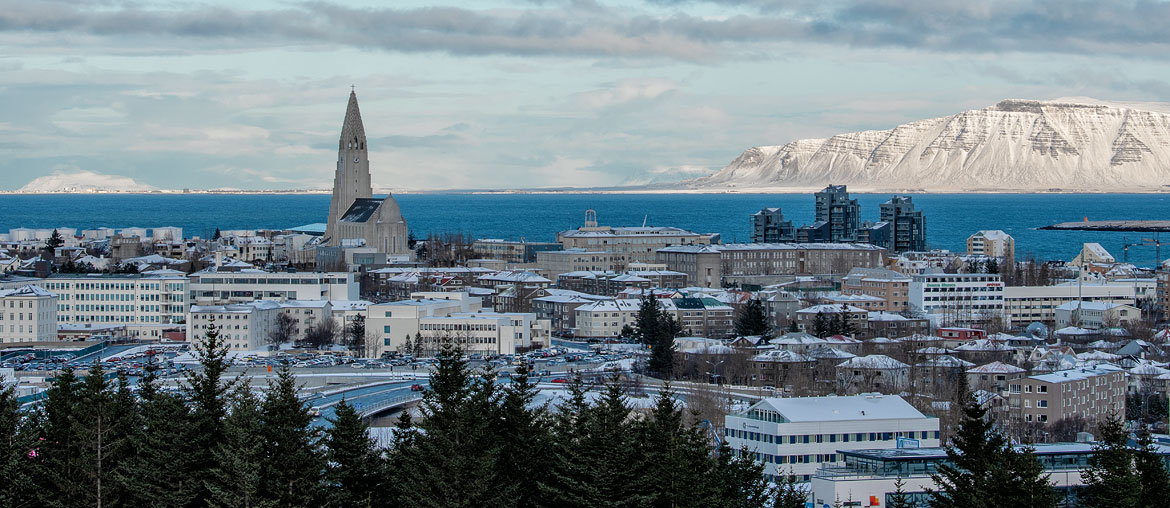


Hallgrimskirkja is an Evangelical Lutheran church in Reykjavik. Because of its distinctive appearance, it is one of the most popular attractions in the country and a symbol of the Icelandic capital.
Architecture inspired by Icelandic nature

Hallgrimskirkja facade
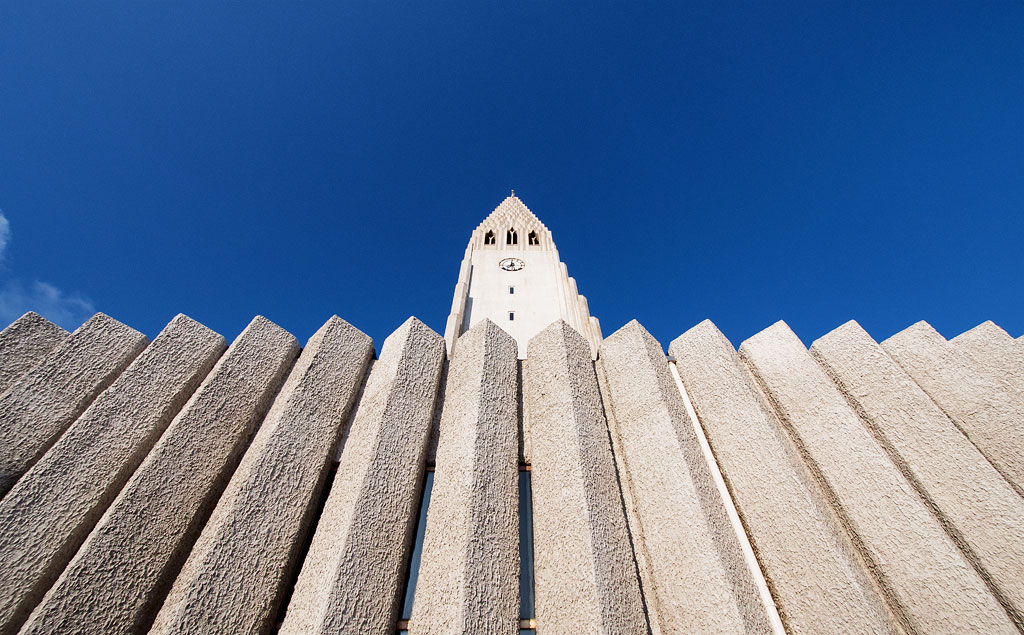
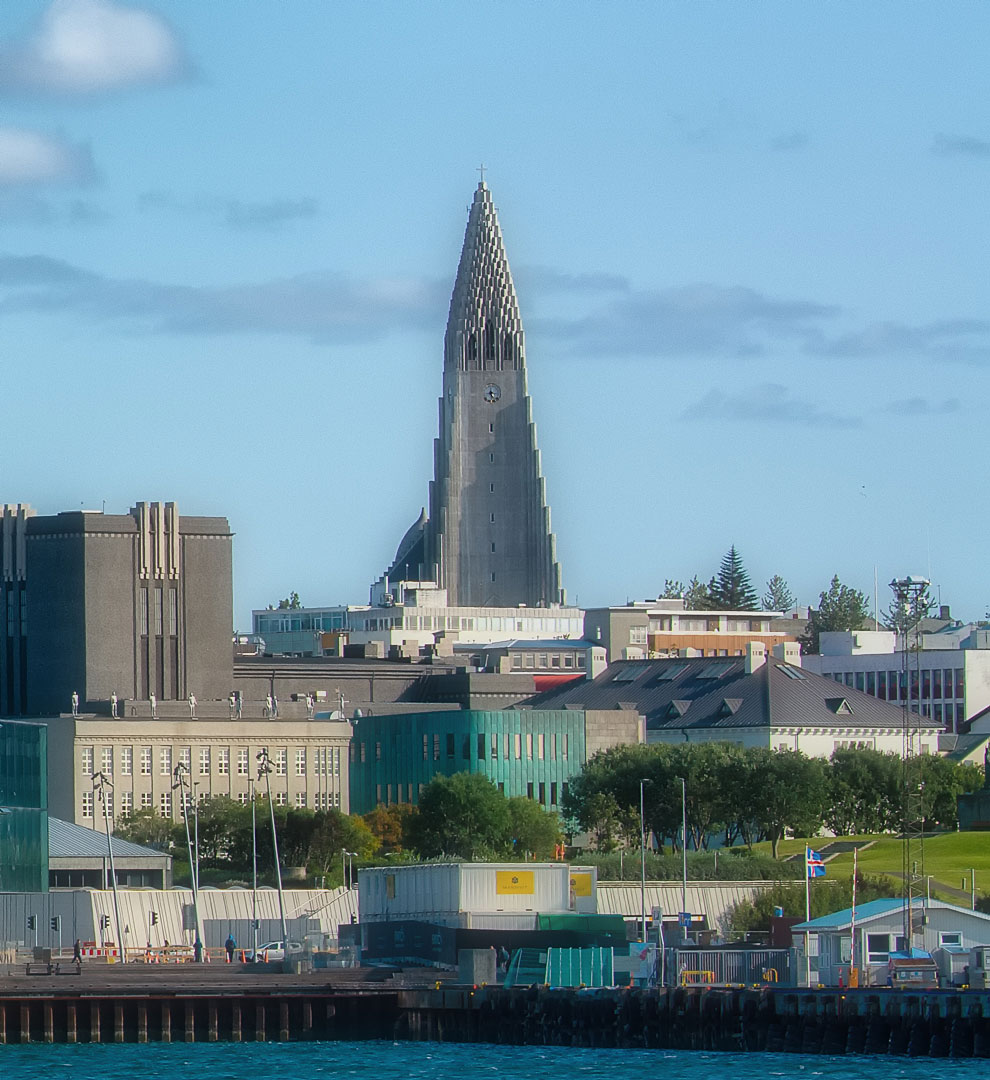
The church was designed by Guðjón Samúelsson (1887-1950), Iceland’s State Architect, who was commissioned for the job in 1937. Hallgrímskirkja shows better than any of his other buildings what he kept coming back to: the shapes that lava and ice leave behind on this island. Its stepped concrete facade is pure modernism and, at the same time, a copy of Iceland’s most recognizable rock formation – the hexagonal basalt columns you come across in so many places here. Samúelsson had already designed the University of Iceland, the National Theatre and the church in Akureyri; Hallgrímskirkja, which he did not live to see finished, was his last work.
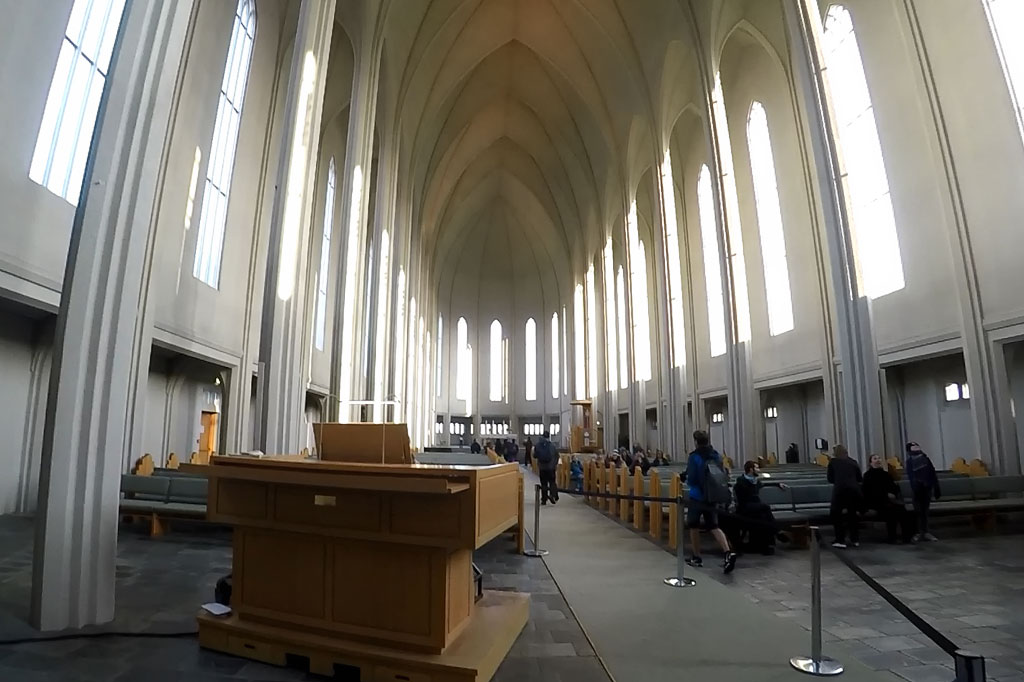
Construction began in 1945 and the church was consecrated on October 26, 1986 – 41 years later. Parts of it were in use long before that: a chapel in the crypt under the chancel from 1948, and a second one in the south wing under the tower from 1974. That is why people say the tower was ready long before the rest of the building.
Hallgrímskirkja – Iceland’s largest church
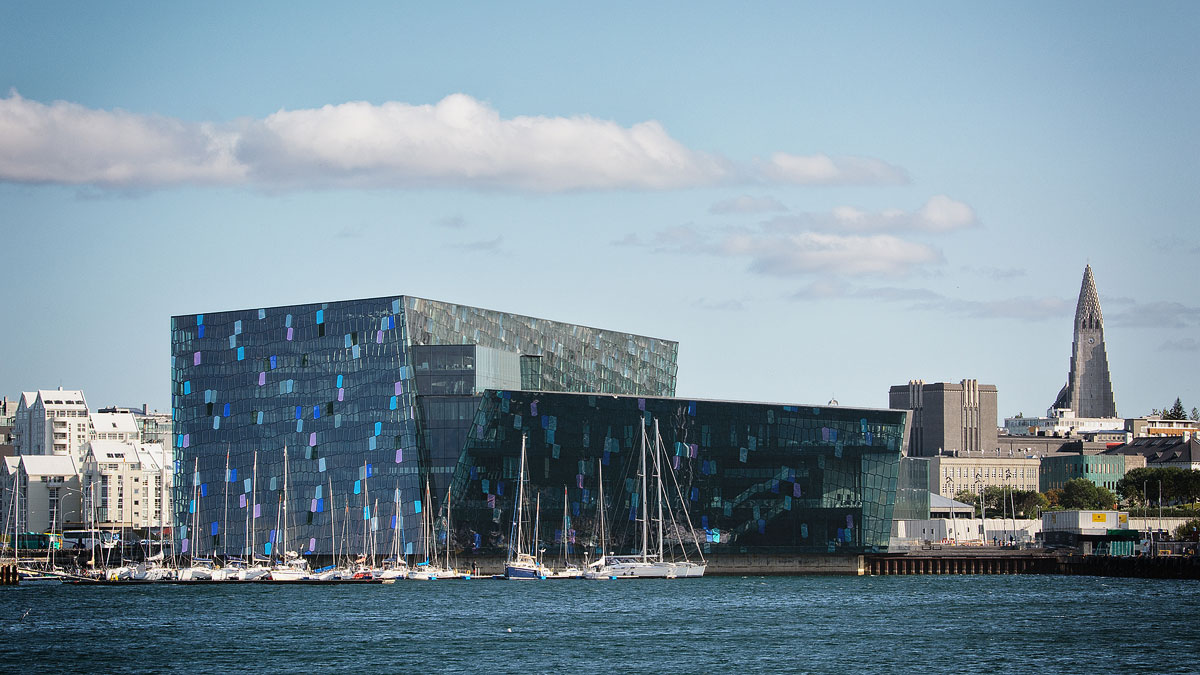
Hallgrimskirkja is the largest church in Iceland. At 74.5 meters (244 ft) it is only the country’s second-tallest building – the tallest is the Smaratorg 3 office tower in neighboring Kópavogur – but standing on a hill in the very center of the city it dominates the Reykjavik skyline all the same. It also makes a natural landmark.
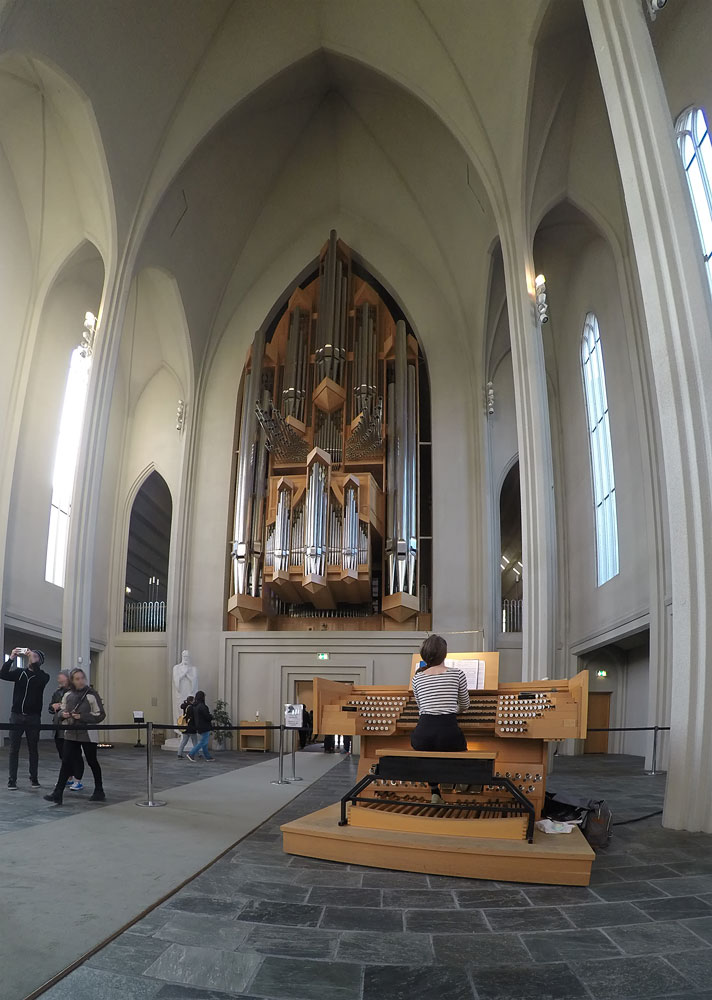
The concert organ standing against the west wall is the largest in Iceland. It was built by the Johannes Klais workshop in Bonn and consecrated in December 1992: four manuals and a pedalboard, a movable console down on the church floor, 72 stops and 5,275 pipes. The case is 15 meters (49 ft) tall, the instrument weighs about 25 tonnes (28 tons) and the largest pipes are some 10 meters (33 ft) long. If you get the chance, come to an organ recital – the acoustics of the nave and the sheer power of the sound are worth planning your day around.
Video: Hallgrimskirkja Church and its mighty organ.
Directly in front of the church stands the statue of Leifur Eiríksson, a gift from the United States for the 1,000th anniversary of the Althing in 1930; the inscription on the plinth calls him son of Iceland and discoverer of Vinland. According to the Icelandic Saga of Erik the Red it was Leifur who was the first European to reach America – records suggest he landed on the shores of the new world around the year 1000, some 500 years before Christopher Columbus.
The 73-meter (240 ft) tower rises high above everything around it. Visitors can ride to the top and look out over all of Reykjavík, the mountains around the bay, the ocean and even the Snaefellsjokull glacier.
Hallgrímur Pétursson – the poet the church is named after
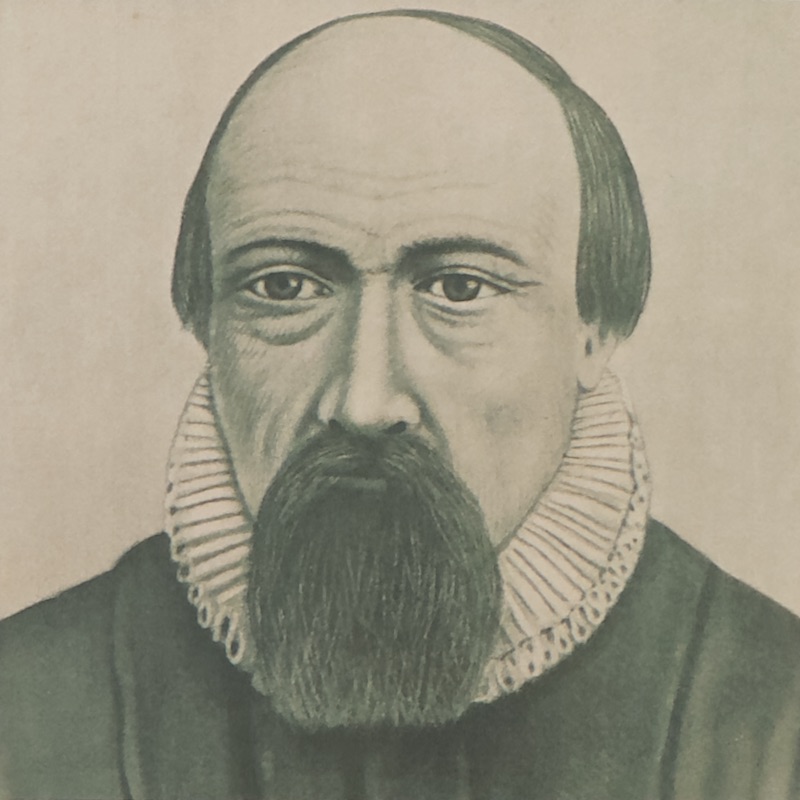
Hallgrímur Pétursson on a board in the church
The church carries the name of the Rev. Hallgrímur Pétursson (d. 1674), the best known religious poet Iceland has produced. He grew up at Hólar and went to Copenhagen as a young man to study – until he met Guðríður Símonardóttir, one of the islanders carried off from the Westman Islands by pirates in 1627 and sold in Algiers. Years later the king of Denmark ransomed some of the captives, and Hallgrímur was given the job of teaching them the Christian faith again after their long stay among Muslims. He gave up his studies, went back to Iceland with Guðríður and served for many years as a pastor at Saurbær on Hvalfjarðarströnd, the shore of Hvalfjörður north of Reykjavik, and it was there that he wrote the work he is remembered for.
Visiting Hallgrímskirkja
The church is open to visitors every day and the tower is open with it, but the two close at different times – the last ride up is a quarter of an hour before the doors shut. There is no stairway for visitors: the only way up to the viewing platform, which is out in the open air, is the elevator.
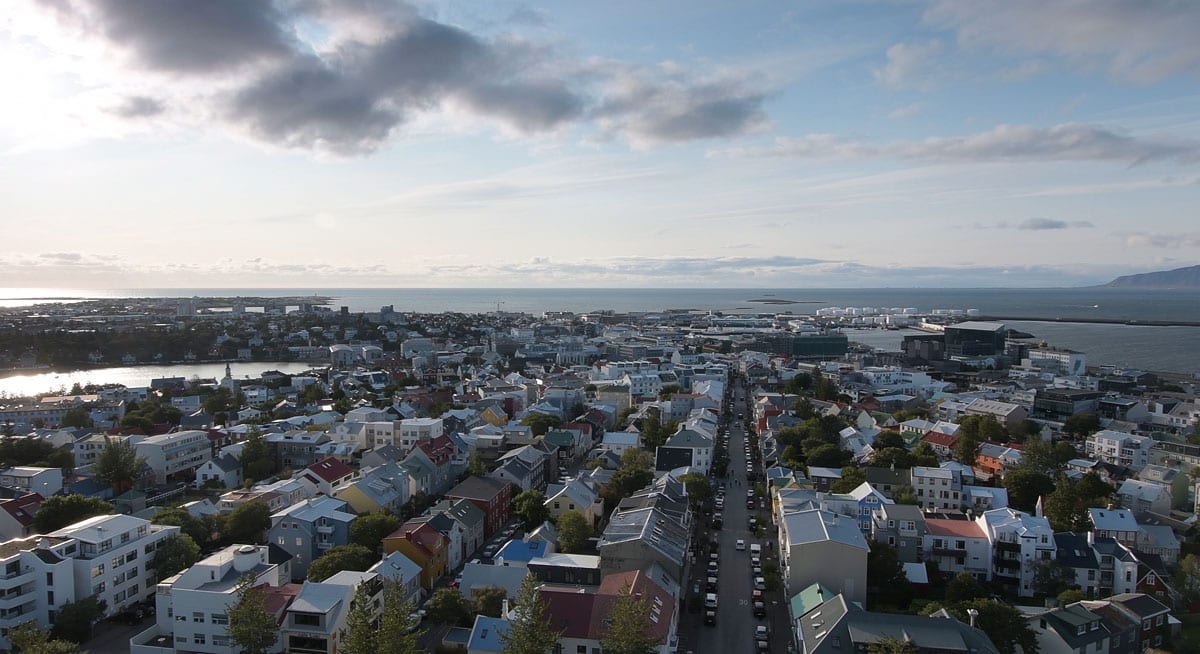
view from the tower
Opening hours (September 2026):
- winter, from September 1: church 10 a.m. – 5 p.m., last admission to the tower 4:45 p.m.;
- summer: church 9 a.m. – 8 p.m., last admission to the tower 7:45 p.m.;
- on Sundays the nave is closed around the 11 a.m. service, and hours change on church feast days.
Tower tickets (prices September 2026):
- adults: 1,500 ISK (about $13);
- children and teenagers (7-16 years old): 200 ISK (under $2);
- students, seniors 67+ and disabled visitors: 1,300 ISK (about $11);
- groups of ten or more get 10% off if they pay together;
- tickets are sold in the church shop, on the left as you enter the foyer – they cannot be booked in advance and are valid once, on the day you buy them.
How to get to Hallgrímskirkja
As mentioned above, Hallgrimskirkja can be seen from practically anywhere in Reykjavik and makes an excellent landmark – you will not get lost in the center as long as the tower is in sight. Any passerby you meet, tourist or resident, will point you to it without a moment’s thought.
Should you need it, the address of the church is Hallgrímstorg 1, 101 Reykjavík. The best way around the center is on foot or by city bus: the nearest stop, Heilsuverndarstöðin on Barónsstígur by Egilsgata, is 200 meters (650 ft) away and is served by lines 5 and 15, and from Hlemmur, the main hub downtown, it is a 10-15 minute walk uphill.
There is plenty of street parking in the immediate vicinity of the church, but none of it is free: meters in the center run from 9 a.m. to 9 p.m. on weekdays and from 10 a.m. to 9 p.m. at weekends, and an hour costs 240 to 660 ISK (about $2 to $6) depending on the zone – in the most expensive one you may not leave the car for more than three hours (City of Reykjavik).
- Walk with a Viking – a 2-hour walking tour in a small group, $60 pp;
- Reykjavik TukTuk Tour – a 1-hour ride with heated seats, $65 pp;
- Golden Circle and Hop On – Hop Off combo – $145 pp for a 24-hour city bus ticket plus an 8-hour Golden Circle tour.
For more on sightseeing in Reykjavik and my suggested city walk, check out this article: What and how to see in Reykjavik.