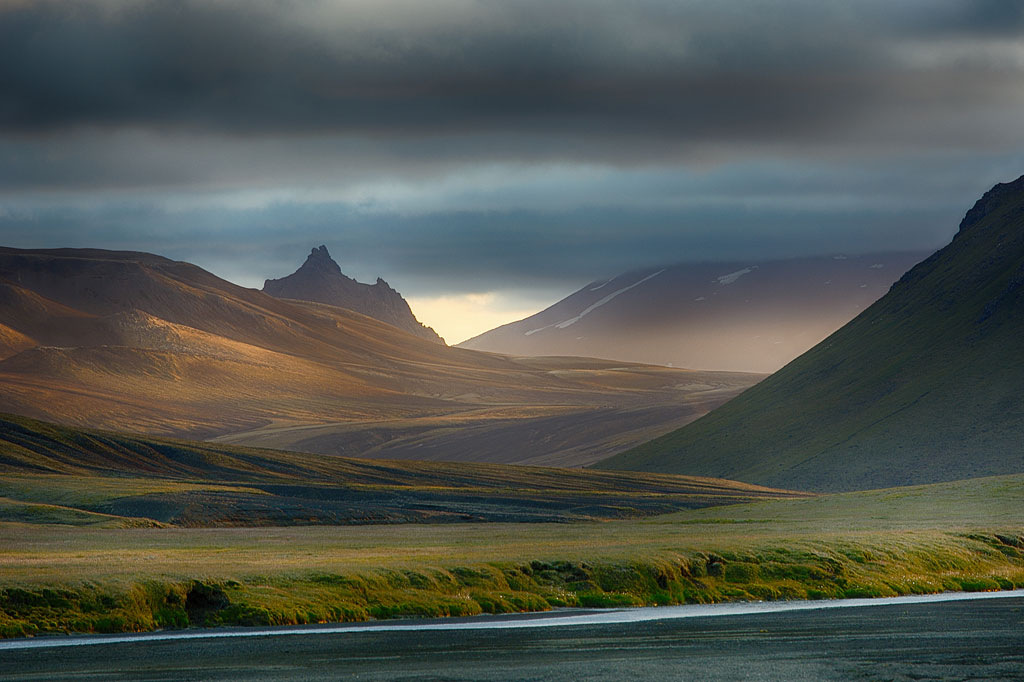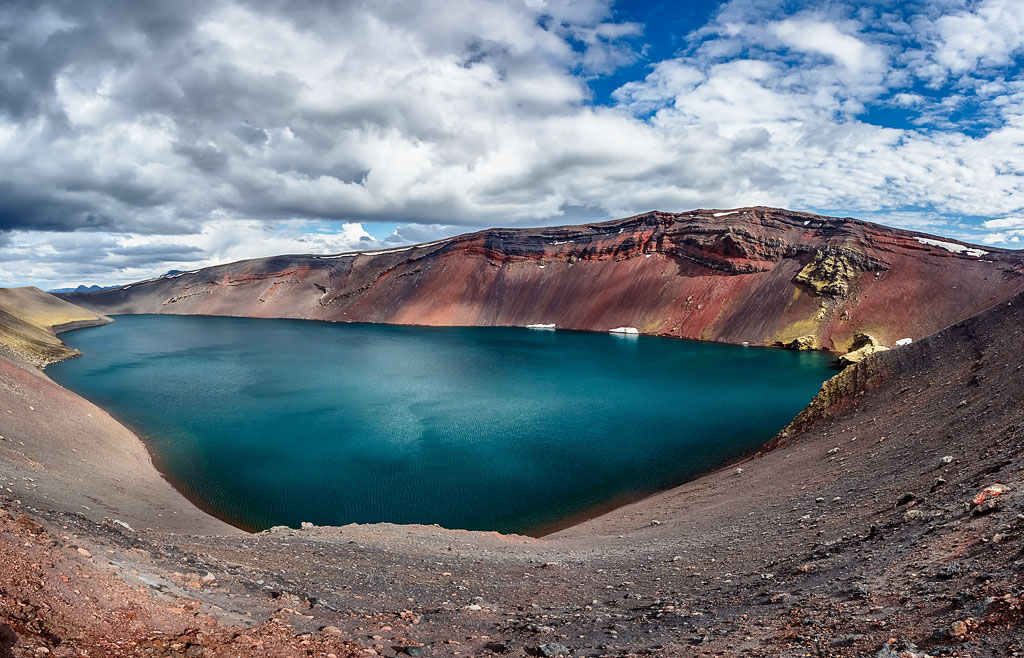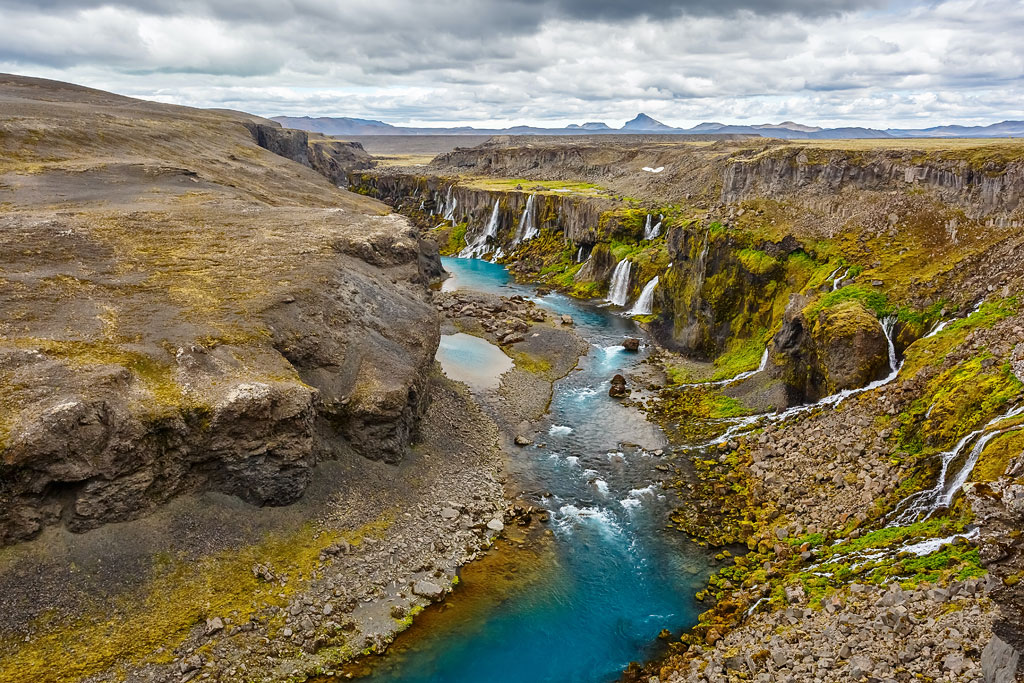


The Fjallabak Nature Reserve (Friðland að Fjallabaki) is located in the Icelandic Highlands, north of the Mýrdalsjökull glacier, with the famous and beautiful Landmannalaugar as its centerpiece.
Fjallabak – a picturesque oasis of tranquility
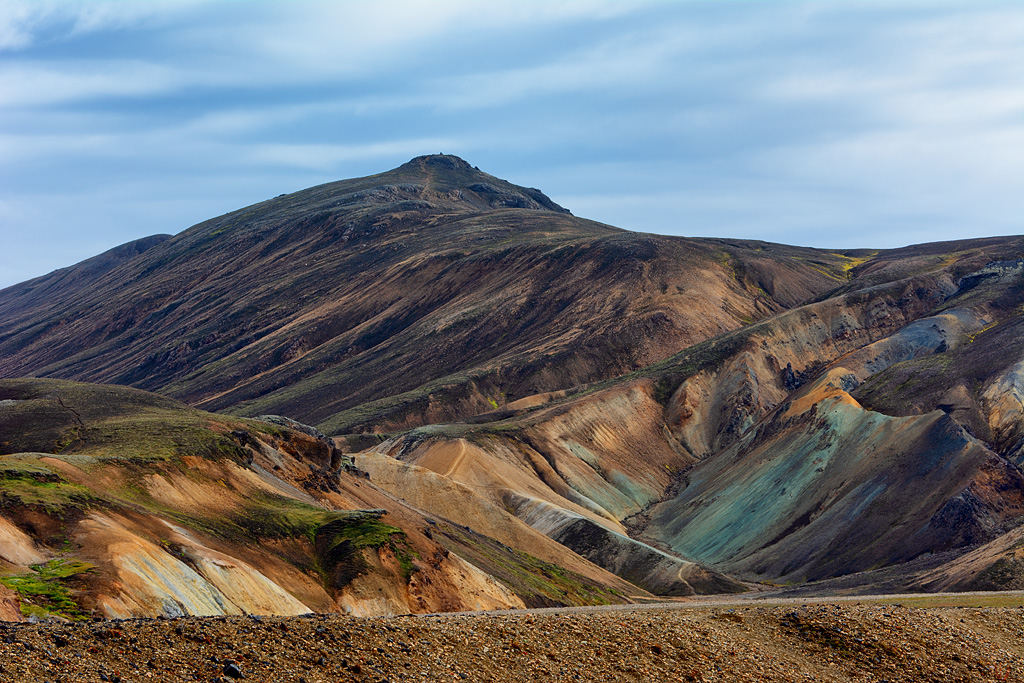
Fjallabak has been a protected area since 1979. The reserve covers 446 square kilometers (about 172 square miles) and lies more than 500 meters (about 1,600 feet) above sea level, according to Náttúruverndarstofnun, the Icelandic nature agency. It takes in part of the Torfajökull area – the largest rhyolite region in Iceland and one of its largest geothermal areas (after Grimsvotn in Vatnajökull National Park). Its name comes from the numerous wild and rugged mountains with deeply incised valleys found there.
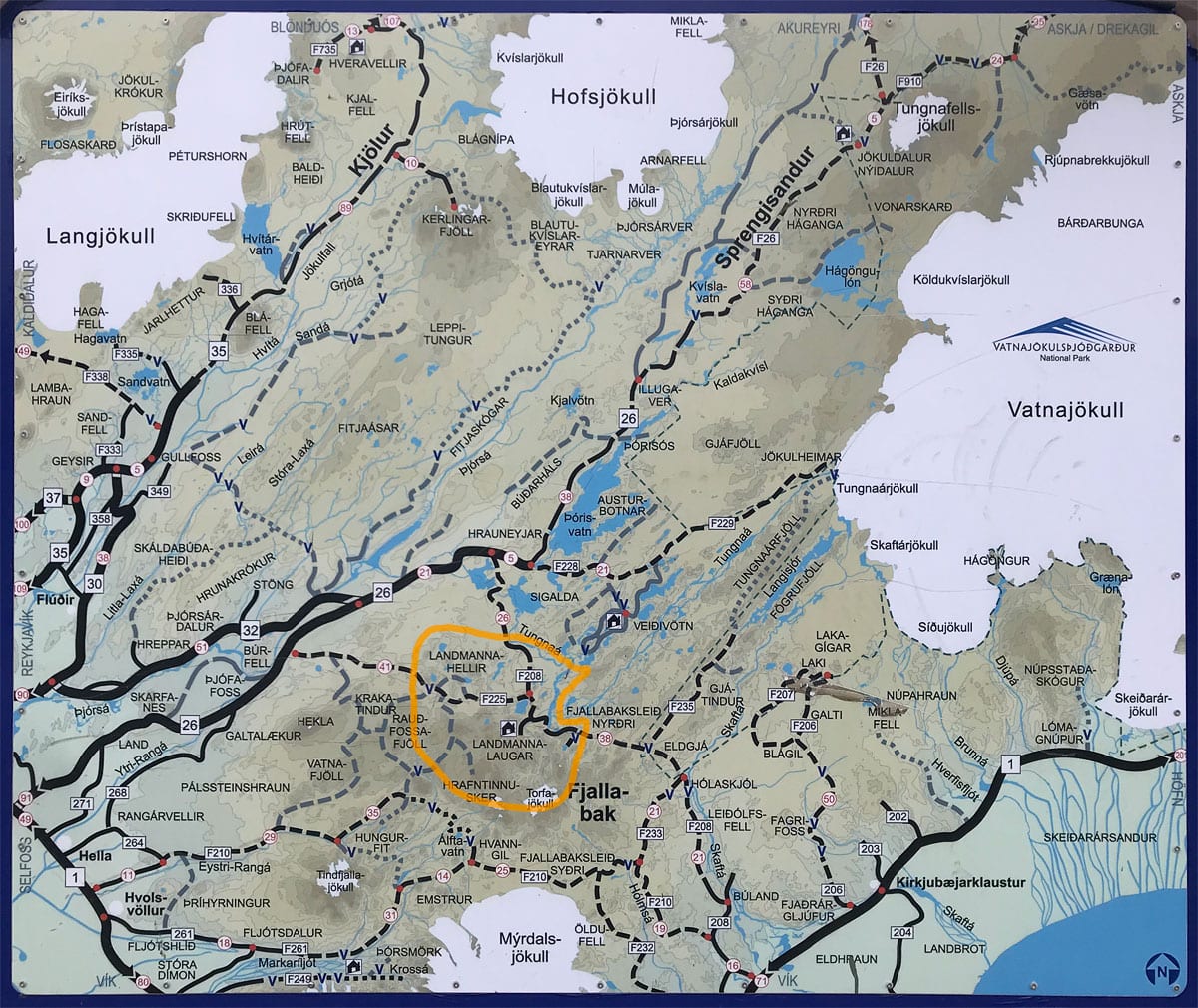
Area of Fjallabak Nature Reserve
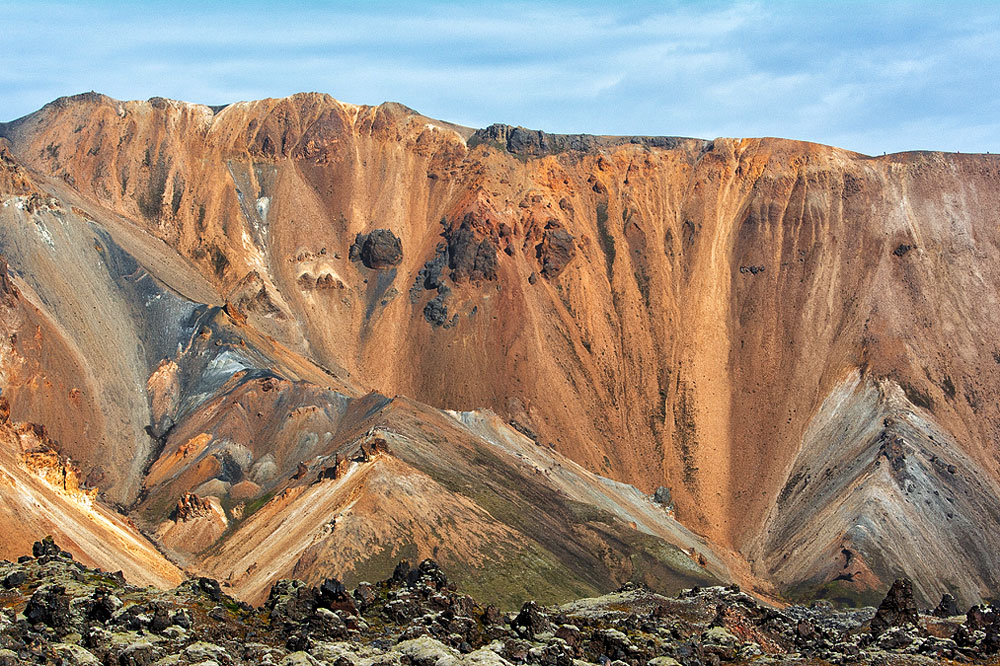
The central and most popular part of the reserve is Landmannalaugar – rainbow mountains like a fairy tale. It is from there that the most popular hiking trails start, and it is really worth setting aside at least one day for them. I have included a more detailed description of the available routes in the article indicated above.
The reserve’s terrain is mountainous, sculpted by volcanoes and geothermal activity, and covered with lavas, sands, rivers and lakes. Its defining feature is its breathtaking views, especially the rocks that take on green, blue, pink, red and yellow hues, geothermal valleys and murmuring wild streams. Those colors come from geothermal alteration of the rhyolite, not from the rock itself. Despite its popularity, the Fjallabak Nature Reserve is still a relatively quiet and peaceful place. Most tourists scrupulously follow the recommendations of the nature reserve status, which brings undeniable benefits not only to nature, but also to the travelers themselves.
Fauna and flora of Fjallabak
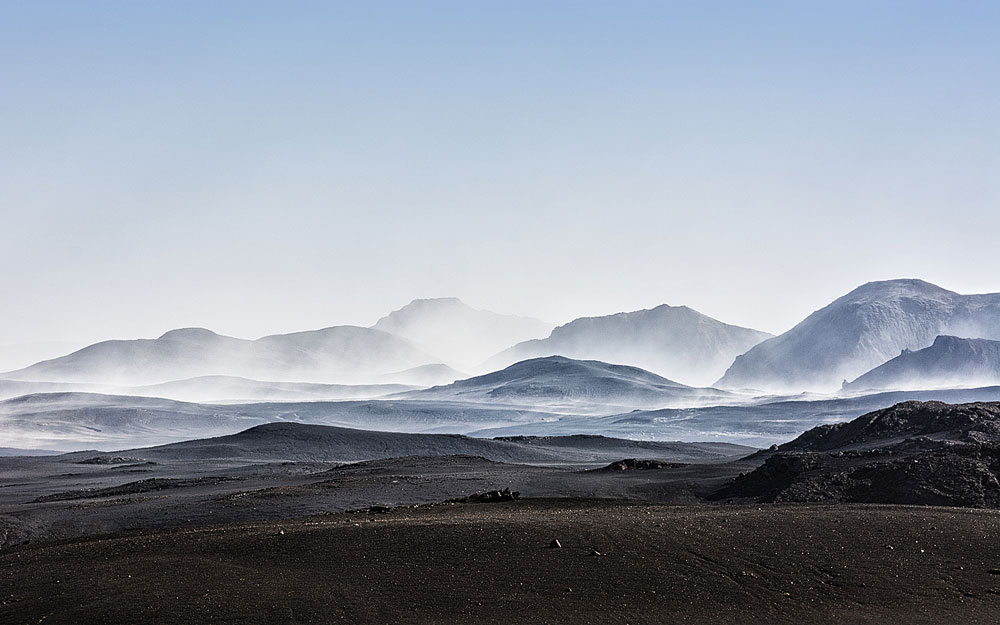
Due to the cold climate, the growing season of vegetation here is very short, and soil formation is very slow. Sandstorms, common in much of the area, as well as volcanic eruptions cover the surface of the reserve with sand, lava and ash. For this reason, the vegetation in the Fjallabak area is not particularly lush or varied. Vegetation cover is rather sparse, and the largest and greenest patches are near the rivers and lakes in the Kýlingar area, a nearly continuous fen dotted with pools and ponds. Willows grow on the dry sands and lava flows, and in the geothermal area near Landmannalaugar lowland vegetation with common sedge takes over. The lakes in the Fjallabak Nature Reserve are cold mountain lakes. In addition to plants, they hold various small animals and trout.
Bird life is sparse – 23 breeding species are known from the reserve, and the commonest of them is the snow bunting. On the lakes you can see great northern and red-throated divers (loons, migratory birds that outside Iceland inhabit the tundra of North America and Greenland), whooper swans and red-necked phalaropes with their beautiful rust-red necks. Harlequin ducks, known to nest in the area, are occasionally seen on the Jökulgilskvísl River.
Fjallabak – tips and practical information
- The Fjallabak Nature Reserve is accessible only in summer. In winter, it is covered with a thick layer of ice and snow. The mountain roads leading into it normally open in June – in the first days of the month it is roughly a coin toss, so check the current road status at umferdin.is before you set off.
- Entry to the reserve requires a four-wheel drive vehicle. Landmannalaugar is reached by road 208 from the Sprengisandur route (F26), by Fjallabaksleid nyrdri (F208) between Landsveit and Skaftartunga, and by Landmannaleid (F225) through Domadalur.
- In summer, drivers arriving on their own between 9 a.m. and 4 p.m. have to book and pay for a parking space in Landmannalaugar in advance.
- In addition to Landmannalaugar, there are other campsites and huts in the reserve: Landmannahellir, Hrafntinnusker and Dalakofinn. These are less popular and harder to reach, but for that reason also much quieter and more peaceful than the Landmannalaugar campground.
- The average air temperature in the Fjallabak Nature Reserve is about 0-1 °C (32-34°F). In July and August, you can expect temperatures between 5 and 14 °C (41-57°F), and in winter the average is about -6 °C (21°F).
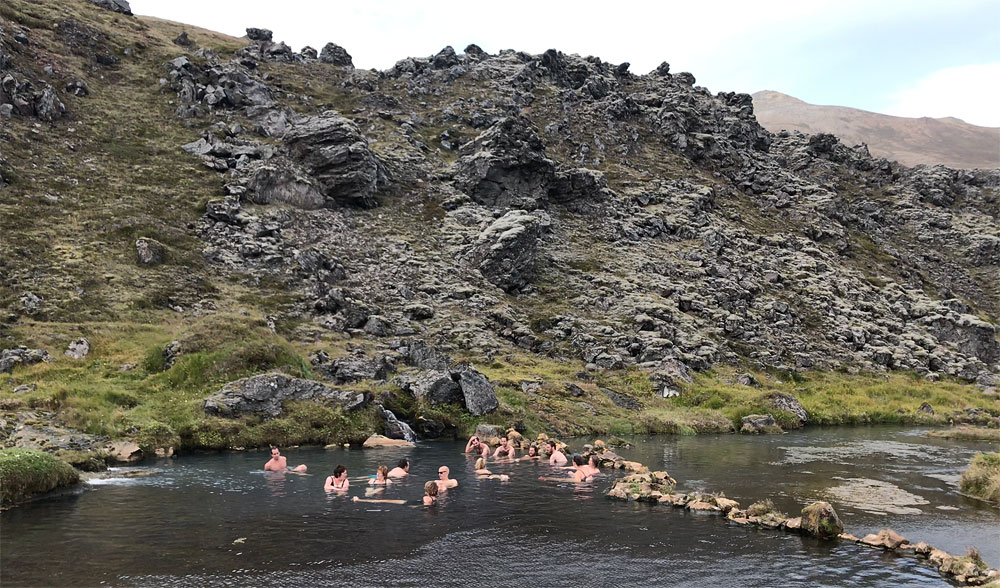
- The hot springs in Landmannalaugar are suitable for bathing. Be careful, however, not to damage the vegetation at the spring.